How to count a hundred miles without leaving an Indian River County pool
Indian River County’s 100 Mile Swim Club turns ordinary lap sessions into a yearlong record at Gifford and North County pools, with a choice of tracking options.
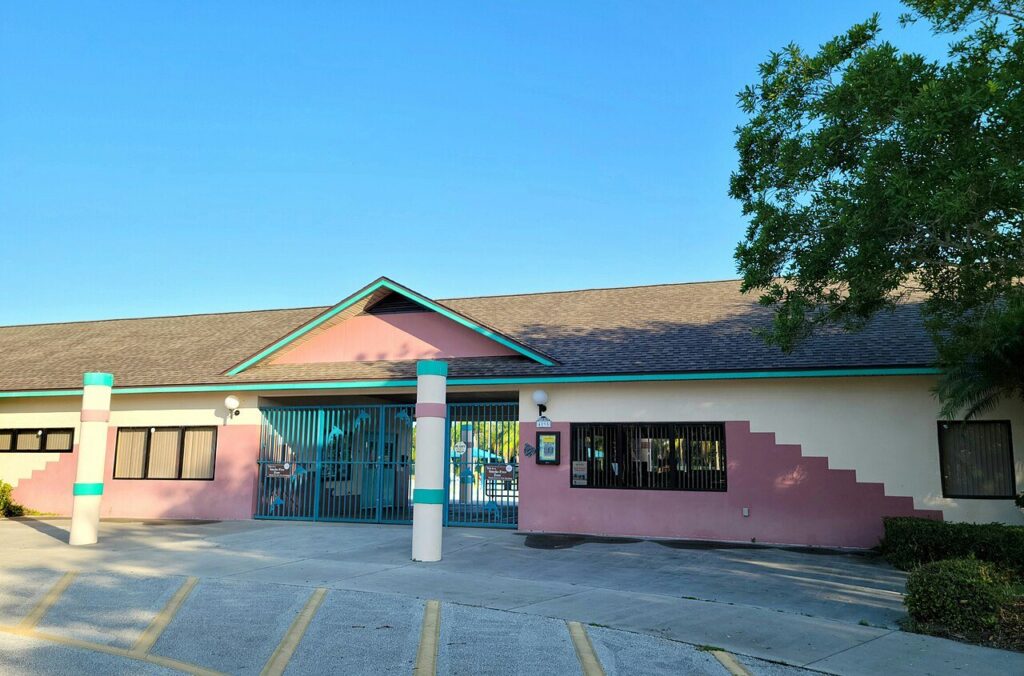
The starting line for Indian River County's 100 Mile Swim Club is the aquatics desk. There is no gun, mass start or requirement that everyone reach the far wall together. A swimmer registers, chooses a tracking option and begins accumulating distance during visits to the pool. A long session counts. So does a short one. The county describes a yearlong challenge with recognition at the end. It is an unusual sports program in one respect: most of the information that matters fits in a notebook, yet two people looking at their final totals may have spent the year swimming in completely different ways.
The local tracking option covers swimming at the county's North County and Gifford aquatic centers. The county also describes a global option for swimming at other locations, a detail worth knowing for someone who spends part of the year elsewhere. Ask the desk how to record each kind of swim, whether to register before collecting any distances and what time period counts for the current program. The published county calendar describes the tracking year as January through December. A swimmer enrolling late in the calendar year should check what time remains before assuming twelve months begin on their individual signup date. County aquatics calendar
Two county pools serve different swim days
Gifford Aquatic Center sits on 43rd Avenue and serves several kinds of visitors. The county describes a heated pool with a zero-depth entrance, a splash or play area and five lanes for lap swimming. A family can recognize why another visitor is there for something quite different from a mileage swim. Someone planning a quiet continuous session should look for lap-swim hours and ask about lane availability. A swimmer arriving with relatives needs to check when the facilities they want to use are operating, as a family recreation schedule may differ from the time swimmers can use the lanes. Gifford Aquatic Center
The North County Aquatic Center in Sebastian has a competition pool. Its facility listing describes eighteen lanes of twenty-five yards as well as a diving well. A lane listed in a facility inventory is an available configuration, not a reservation for every hour of every day. Lessons, teams, meets and other uses can affect how much space is open. The county aquatics department posts operating information and notices. Someone choosing between the two sites can compare the day's program with travel time. A nearby shorter session that actually fits the evening may add more miles over a month than an ambitious plan rarely used. North County Aquatic Center · County aquatics notices
The troublesome word “lap”
Ask two people what they mean by one lap and you may get two answers. One swimmer means a single length. Another means out and back. The water covered is perfectly clear to the swimmer in the moment and surprisingly hard to reconstruct two weeks later from a note that says only “twenty laps.” Record the length of the course and the unit as well as the number of lengths. In a twenty-five-yard lane, twenty lengths come to five hundred yards. Twenty round trips come to one thousand. The difference is large enough to matter to a hundred-mile total.
There is another distinction for anyone using a watch or changing facilities. A statute mile is 1,760 yards, while swimmers sometimes refer to a 1,650-yard racing event as a mile. Over a long challenge, the two conventions produce different totals. For this program follow the county desk's method, especially if using meters at one pool and yards at another. A sample entry reading “forty lengths, twenty-five yards each, one thousand yards total” keeps the raw information available. Even if a conversion needs correcting later, the swimmer need not reconstruct the whole session from memory.
The figures make the scale of the undertaking easier to understand. Using statute miles only for illustration, one hundred miles equals 176,000 yards. Spread evenly across fifty-two weeks that works out to about 3,385 yards a week. Real calendars are rarely even. A family trip, a pool closure or an unusually busy month may interrupt a stretch of regular swims. The arithmetic describes the size of the goal; it offers no prescription for how far any person should swim in a session. The point of the log is to show what actually happened over time.
What a year's log can show
Suppose two neighbors end a month with the same distance. One swam a few long sessions and the other arranged short visits around a work schedule. A race result might give the neighbors no reason to speak. A mileage program gives them a common achievement and a reason to compare which pool, time or tracking method made it practical. A swimmer who moves between homes can ask about the different tracking fee and how away swims should be reported. A swimmer who only visits the county centers can keep a simpler record tied to familiar lengths and staff.
The county describes an end-of-year recognition gathering and a club shirt for those completing the challenge. Those are milestones that people can share, but the log can tell a more individual story. Which month did the swimmer find a workable schedule? Was a change in available lane times more important than swimming faster? Did the swimmer make useful progress on weeks when a longer outing was impossible? That kind of record turns what might feel like a series of isolated trips to a pool into an account of a year spent returning to the water.
The simplest log can have four columns: date, facility, pool length and lengths completed. A fifth for the accepted distance makes it possible to reconcile the swimmer’s own total with the desk record. On a day with two swims in different pools, separate entries preserve a detail an end-of-week total would hide.
For a first visit, ask the aquatics staff what today's lane length is, where the club keeps the running total and what to do at the end of a swim. Those practical answers matter more than guessing how long the full hundred miles will take. The interval between visits may change, and some sessions will be easier to remember than others. Writing down the first distance accurately is the one manageable piece of the challenge available to every participant that day. County program details