Why Vero Beach’s STEP employment program continues after the job offer
Learn how United Against Poverty’s Indian River campus combines four weeks of classroom training with employer introductions and coaching after a person is hired.
Getting a job offer and being able to keep the job are two different milestones. A new employee may need to learn how one supervisor assigns work, how shifts are posted and where to go with a question that did not come up in the interview. In Vero Beach, United Against Poverty builds that transition into a three-part employment program. Classroom training comes first, opportunities to meet employers follow, and individual coaching becomes available after someone is employed. The sequence explains why the Success Training Employment Program, usually called STEP, has something to offer at several points in a working person's life.
The Indian River campus is at 1400 27th Street. Its STEP description identifies a free program for people seeking employment or a better employment situation. Four weeks of classroom work begin the local program. The page then describes individual interview opportunities with area employers and coaching for participants who obtain work. For a resident considering enrollment, the helpful starting question is where a job search has been getting stuck. A person who has trouble getting an interview faces a different immediate challenge from someone who interviews frequently but struggles to compare the offers or settle into a new workplace. Indian River campus and program
What four weeks in a classroom can change
The organization’s reporting describes preparation in workplace skills, emotional intelligence and the mechanics of seeking work. These categories sound broad until they are attached to a real task. Someone might have handled inventory, arranged coverage when a coworker was absent or kept track of a customer order that changed several times. On a résumé, writing only “helped around the store” conceals those abilities. Taking time to identify the work, explain the responsibility and choose a specific example can give an employer something concrete to ask about. The experience was already there. The applicant has found a clearer way to describe it.
People returning to work after a long interruption face a related problem. A job description may use unfamiliar language for work they have done in another setting. An adult who has coordinated supplies or schedules for a community activity can consider which parts of that experience are relevant to the position and describe them honestly. Classroom time also gives someone a chance to practice explaining the limits of their experience. A clear description of what they know, what they learned quickly in a previous role and where they would need instruction is more credible than trying to sound qualified for every task.
The four weeks represent a meaningful time commitment even when tuition is free. A person already working variable hours may need the dates before they can ask a supervisor about a shift. A caregiver may need to arrange a regular ride or confirm pickup time at school. Ask the campus about the current cohort schedule, attendance expectations, any required documentation and when the employer meetings occur. For comparing opportunities, it helps to write down the transit or driving time at the actual hour of class. A program that fits neatly on paper can look different during a weekday morning commute.
What each side brings to an interview
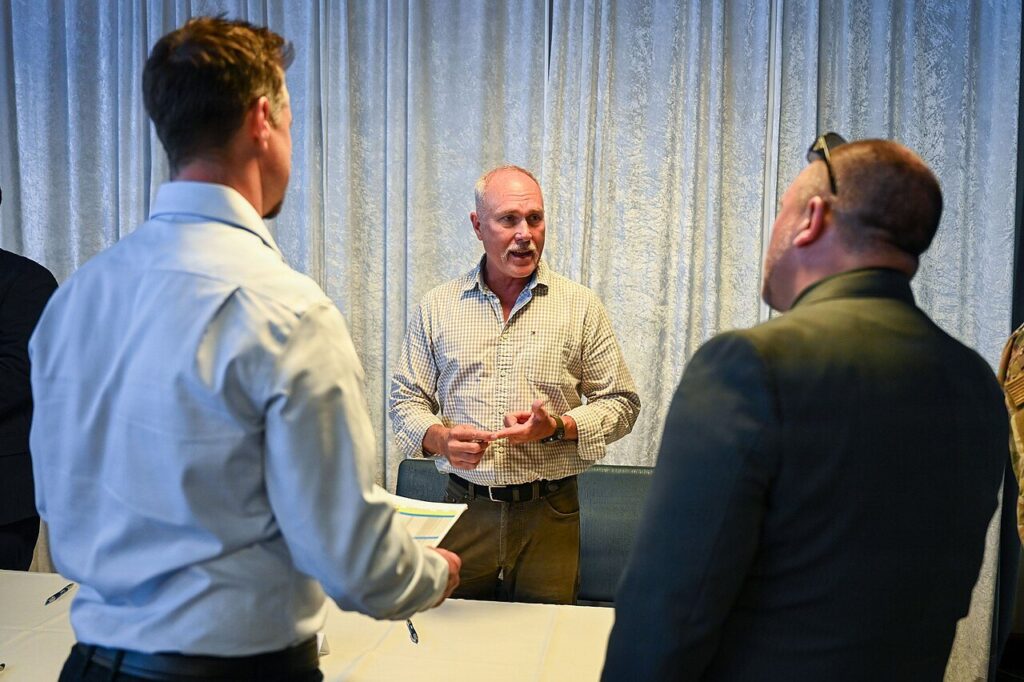
The employer connection phase gives participants opportunities to speak with employers and industry representatives. It is worth treating an interview as an exchange of information in both directions. An applicant can explain how they approach a task. An employer can explain what an ordinary shift looks like, how someone learns a new station and which abilities matter most during the first month. A conversation that addresses those points gives both people more to work with than a broad assurance that someone is hardworking. The opportunity to interview is distinct from the hiring decision a specific employer will make. STEP overview
Local employers considering participation can prepare for those conversations too. A concrete description of a position includes the location, hours, duties, pay arrangement, training and the person who supervises new employees. If the position moves between sites, an applicant may need to know that before discussing availability. If a job has a clear route to taking on more responsibility, explain what skills or experience the employer actually looks for. An organization can contribute more to a local workforce effort by answering these questions candidly than by describing every opening in the same enthusiastic terms.
What happens after someone starts work
The third phase is personal success coaching for people who have secured employment. An organization's annual report can describe this phase in a few lines, but the timing is its most important feature. Questions change once a worker has met the team. How does someone request feedback after learning a new task? What is the normal way to express interest in a role with more responsibility? How might an employee prepare for a conversation about availability? A coach can help a worker think through the discussion, while the employee and employer remain responsible for actual workplace arrangements. Indian River annual report
The program’s place in the county is documented beyond the campus website. In a request included in Indian River County's 2026–27 budget workshop book, United Against Poverty described STEP as an adult workforce program and outlined its classroom content and longer-term purpose. A funding request records how an organization explained its work to public officials. For residents, the campus remains the better source for current start dates and participation details. For anyone trying to understand the local workforce landscape, the county record offers a separate window into why the organization considers continued employment support part of its mission. County budget workshop record
A prospective participant can prepare for that first conversation by bringing a description of a job they would actually like to apply for. Staff can then help distinguish a gap in how the applicant presents their experience from a genuinely missing skill or credential. Those two problems call for quite different kinds of training.
The Indian River campus also lists Build UP, a distinct program focused on construction, trades and manufacturing. Its materials describe hands-on work with subjects such as reading plans, measuring and construction math. A prospective participant deciding between programs should describe the work they want to pursue and what preparation they already have. Someone drawn to a specific trade may want that practical focus. Someone exploring roles in several fields may value the general STEP classroom and employer connections. In each case the most revealing question extends past the first interview. What support is available when the person returns from a first shift with something new to learn?