One sailor, two sailors and a whole community fleet in Vero Beach
Compare Optis, two-person 420s, adaptive sailing and adult lessons at YSF Community Sailing, and learn which Vero Beach programs have fees or scholarships.
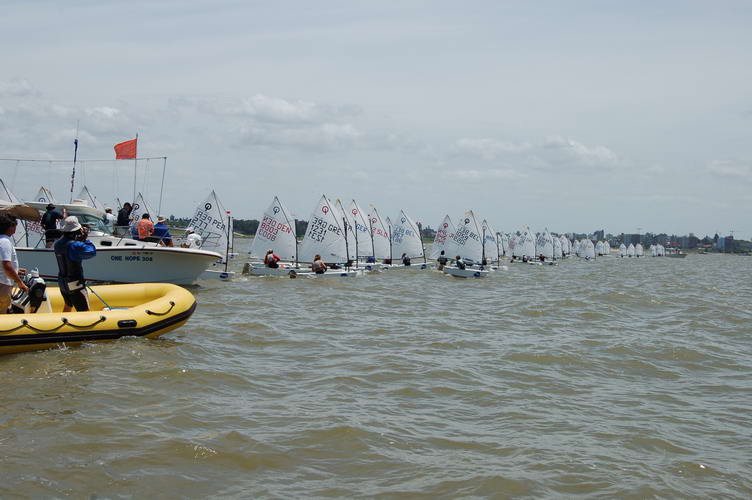
A small boat changes the questions a young sailor can answer for themself. When only one person is aboard, a decision about steering produces a result that is hard to attribute to anybody else. Put two sailors in a boat and another question enters immediately. Did the person at the helm and the person handling the other job understand each other? YSF Community Sailing in Vero Beach teaches in both settings. Its programs range from children using a small single-handed boat to older sailors practicing in pairs, adults learning from scratch and adaptive sailors choosing among several boats on the Indian River Lagoon.
The organization was founded in 2009 by Charlie and Chris Pope and “Pops” Karentz as the Youth Sailing Foundation, with the aim of making sailing available to local children. Its programs have grown well beyond a single kind of childhood lesson. Read the current pages by the person who will be on the water. A family considering a first semester, an adult seeking an introductory course and a sailor seeking adaptive equipment will encounter different registration choices and fee arrangements. The shared principle is that someone can learn locally without first buying a boat or having one in the family. Foundation history
Why a small dinghy can be a big classroom
The Optimist, usually called an Opti, is a small single-handed sailboat. YSF uses it for beginner and intermediate classes within its published sailor-size criteria. An instructor can observe several individual sailors, but once a student is handling the boat each response belongs to that student. That gives a beginner unusually direct feedback. A change in direction alters what the sail does. A correction changes how the hull travels relative to another boat. The aim of an organized class is to let a young person explore those relationships in the setting and under the supervision the instructors provide. Youth class descriptions
The two-handed 420 offers another starting point for sailors who fit its specifications. It is tempting to assume the two-person boat must be a reward for having graduated from the smaller one. YSF's youth listing makes clear that there is also a beginner 420 class. Boat fit, experience and the style of class can all influence the choice. A parent writing to the program should identify a student's experience and ask staff about the appropriate boat, particularly near a published size boundary. The answer may depend on practical details the family would never learn from comparing photographs of the boats.
The program has room for different interests after the basics. The intermediate Adventure option develops single- and double-handed sailing in a recreational setting. Selected sailors who have completed intermediate Opti can move toward racing with the Shelby Racing Team, which competes on Florida’s east coast and at other regattas. Older students can explore C420 racing. For an interested child, it is worth spelling out what sounds attractive. They might enjoy learning several boats, working with the same partner over time or lining up against another crew. Progress in sailing does not require everyone to give the same answer.
A sailor's choices in the adaptive program
The adaptive program is open to people with disabilities and is free to Indian River County residents, according to YSF. Its fall 2026 listing describes specially trained instructors and boats including the Hansa, Hobie Wave and Mariner 19. Sessions are offered as one-hour sails, with arrangements for caregivers to watch from a powerboat. These specifics help explain why a conversation before the first visit is worthwhile. A participant may want to describe how they prefer to communicate, what assistance they use and how much they want to do aboard. The program team can then discuss equipment and arrangements directly. Adaptive sailing
Two people who use the same mobility device can have entirely different ambitions for an afternoon on the lagoon. One may want their first experience of traveling under sail. Another may have years of boating experience and want to discuss what controls they can operate. A caregiver can help with logistics without answering every question for the sailor. Ask the participant first what they want to know about the boats, the time on the water and the people who will be aboard. The availability of several hulls and trained staff gives that conversation practical consequences.
How fees work across a community fleet
YSF's youth page describes a free first semester for first-time beginners and lists fees for subsequent beginner sessions, intermediate and competitive programs. It also describes scholarships on request. This is valuable information for a family deciding whether a child can continue after an introduction. Look at the line that corresponds to the actual program and ask about assistance before treating the listed fee as the end of the conversation. A summer camp and a semester class have different calendars and fee descriptions. The fact that both use the same organization's fleet does not make their enrollment terms identical.
The adult program helps support the youth and adaptive work. YSF offers an adult Learn to Sail course that requires no previous experience, as well as private lessons. A couple comparing the options should ask what they hope to do afterward. Someone aiming to gain enough familiarity to sail regularly may value an organized sequence. An experienced sailor trying to address one particular gap may prefer focused time with an instructor. The organization also offers membership access to its fleet under its program rules, a different proposition from booking an introductory lesson. Adult sailing programs · YSF membership
Before reserving a course with a friend, compare the actual days each of you can attend. The youth Opti schedule, for example, groups lessons into particular sessions and asks sailors to stay with the selected session rather than mix days across groups.
One practical detail applies to everyone coming to the waterfront. YSF has published material about a new community sailing center as well as directions for participants. A project announcement explains the organization’s ambitions. The meeting instructions for a confirmed session tell a sailor where to arrive that day. Use the instructions sent for the course, and contact YSF if a saved map pin and a current notice differ. Then the question facing a new sailor can be the interesting one: what will it feel like to change something with your own hands and see a boat respond? YSF contact and directions