The Vero Beach gym that can seat a neighborhood
Explore the iG Center on 9th Street SW, from children’s PE and adult dance classes to the 13,425-square-foot gym that doubles as a county event hall.
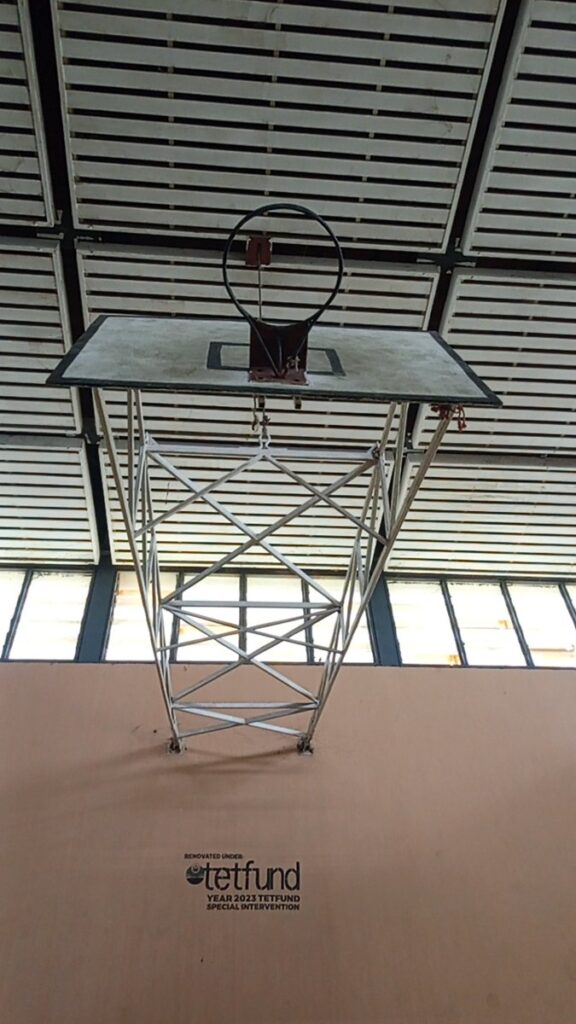
Draw a basketball court on a piece of paper. Now take away the ball, add rows of chairs and give the people arriving at one end somewhere to check in. Imagine replacing those chairs with tables, leaving room for guests to move between them. The Intergenerational Recreation Center in southern Indian River County was built around just this kind of change. Its main room is both a gymnasium and an event hall. On a map the two share a single address, 1590 9th Street SW, Vero Beach. To someone planning a school activity or a neighborhood celebration, they offer quite different possibilities.
The county constructed the center in 2016 in response to local demand for indoor recreation and event space. The main hall measures 13,425 square feet. The county lists a maximum of 550 guests, along with a media room, several multipurpose rooms, a courtyard and an outdoor veranda. Those details explain why the venue often appears simply as the iG Center. A name tied to any one sport would undersell a place intended for a dance class, a basketball game, a large meeting or an occasion for several generations of a family. County facility description
A small class inside a big facility
For a household with a young child, the best entry point may be a small program. The county identifies PE at the iG as a drop-in activity for ages four through ten led by recreation staff. Its listing gives Tuesday afternoons from three to four and a per-session fee. Look up the current listing before making a regular arrangement. Unlike joining a season-long league, a drop-in session lets a family discover how well a child likes moving in a group before taking on games, team practice and a uniform. County fitness programs
A class covering that age span has room for more than the most confident child in the group. A four-year-old may be concentrating on understanding when to start. A ten-year-old may be concentrating on how to play fairly when someone else is slower to learn the activity. The county includes teamwork, fairness and sportsmanship in the program description. Parents can reinforce the purpose with a simple question afterward. Asking whom a child took turns with, or which rule made a game work, makes room for answers that would disappear if the only question were whether their side had won.
Adults encounter a similar variety on the county fitness page. Country line dancing offers a social way to learn sequences with other people. Dance-based exercise classes give participants a way to move to music, while listings such as yoga combine a different pace and set of movements. Read the description for the particular class. Some can be joined by arriving at the desk, and others have a registration link. An adult looking for an activity to share with a child should pay attention to the individual age rule. The county's Zumba listing, for instance, specifically welcomes children seven or older.
Reading a public building from its floor plan
The county’s published site and floor plan names the gym or event hall as Room 141. It also marks a guest drop-off, reception, a prep kitchen, the entrance, several smaller rooms and outdoor spaces. These markings tell a community group much more than a list of square footages. If thirty arriving guests need to sign in, where will the line form? If several meetings break up at the same time, where will people gather afterward? If someone is being dropped off and uses a walker, which entrance should the invitation identify? Staff can confirm the route and arrangements for a particular booking. County floor plan
It pays to distinguish a building's maximum capacity from the number of people a group can accommodate in its chosen arrangement. Five hundred people sitting in rows require a different room from the same five hundred seated around tables. An awards event may need an area for players to collect before they go to the front. A youth tournament needs space for teams waiting to play as well as for the people watching. A fair needs clear paths between tables. Give the county a sketch of the activity before quoting the headline capacity to participants or selling places.
A small organization may find that a room adjoining the main hall does more for its event than additional floor space in the hall itself. For example, a neighborhood group hosting a public presentation could want a smaller room for a speaker to prepare or for volunteers to sort materials. A family gathering might use the veranda as a place for conversation. The floor plan gives a group a vocabulary for that conversation with the county. Staff can then say which spaces are available together, which require separate reservations and whether a preferred arrangement suits the day.
The time on an invitation
Multipurpose space runs on setup and breakdown time as much as on the public program. A basketball game can begin only after teams and officials can use the court. A presentation can begin only after speakers have set up and the audience has found its seats. An organizer comparing available times should tell staff when the first volunteer needs entry and when the last item will be removed. The slot the public sees on a flyer may occupy just the middle of the reservation. Identifying that distinction up front also gives volunteers a realistic idea of when they are needed.
The center’s indoor facilities and nearby outdoor activities have different weather considerations. County notices for the iG Center and Dick Bird Park describe possible delays or cancellations for outdoor fields and courts, including staff assessment after conditions change. An announcement about an outdoor game does not by itself answer whether a separately scheduled indoor class will meet. Look for the program-specific update or contact the center at 772-226-1780. For a gathering with an outdoor portion, tell guests how they will receive word about changes before they leave home.
The name “intergenerational” makes the most sense in ordinary use. On one visit a resident may be the adult collecting a child from PE. On another they may arrive to dance with friends. Years later they might help arrange a ceremony in the room where they once watched a game. A building that can change with the purpose of a visit leaves a neighborhood with something more durable than a single facility for a single sport. It gives people several reasons to find their way back to the same front door.