From a bocce court to the track with Special Olympics in Indian River County
Compare local Special Olympics sports, learn how competition divisions work, and find the right Indian River County contact for athletes, partners and families.
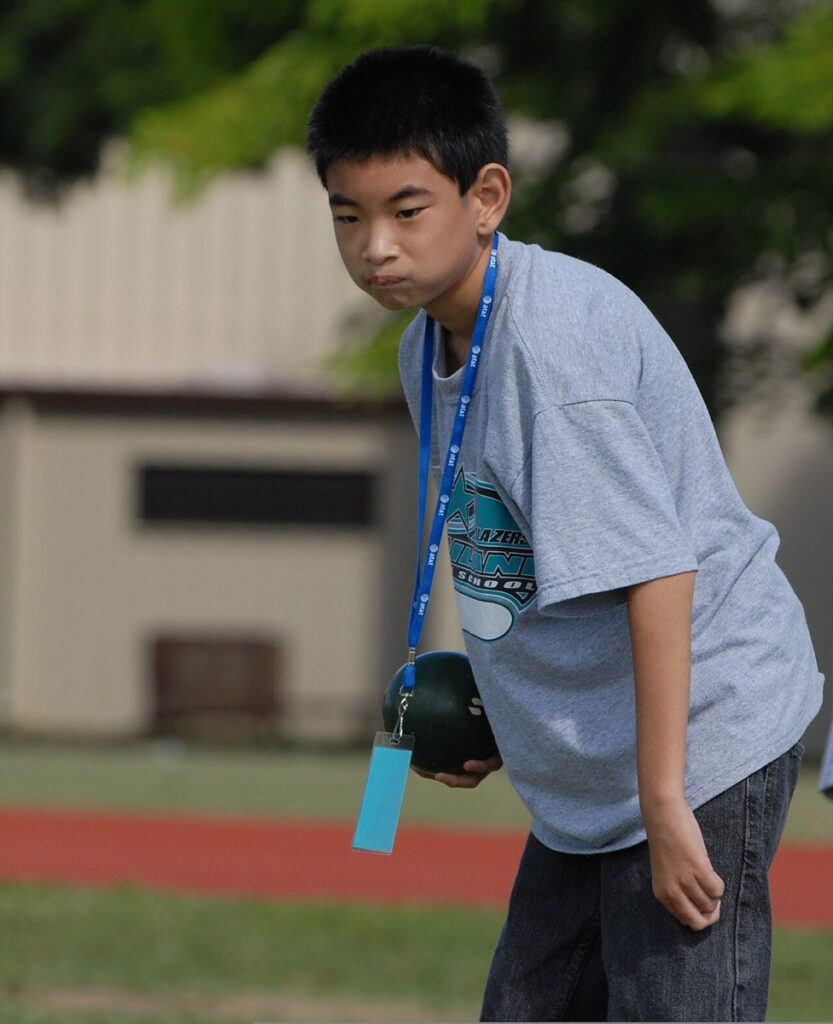
A bocce player setting up a shot, a runner measuring a finish time and a basketball player trying to get open all make different decisions under pressure. For an athlete investigating Special Olympics in Indian River County, that is a good place to begin. Which sport sounds enjoyable? Does the person like making a deliberate choice in a relatively quiet moment, measuring a personal result or reacting quickly to a teammate? Special Olympics Florida lists all three sports for the county during its January-to-May period. A choice about how someone wants to compete can come before the paperwork.
The local list sits partway down the organization’s Central Region page, alongside entries for other counties. Scroll specifically to Indian River. Brevard, St. Lucie and Martin have their own offerings, and a sport listed just above the Indian River heading can belong to an entirely different program. The directory also separates its contacts for sports, school programs, developmental sports and community engagement. A prospective player asking about joining a practice needs a different conversation from a teacher exploring a school-based program or a group hoping to support a competition. Special Olympics Florida county directory
What the three sports ask of a player
Bocce revolves around the relationship between a thrown ball and a smaller target ball. From a spectator's perspective, proximity is easy to appreciate. From the player’s perspective, the arrangement of the balls changes the problem after nearly every throw. An open route early in play gives way to decisions about placing a ball near an opponent's or approaching the target from another angle. Someone who likes judging distance and thinking through a choice before acting might find that appealing. Ask the county coordinator about the format offered locally and how a new player can see a session.
Basketball changes tempo from possession to possession. A useful contribution may be a pass to a teammate in a better position, turning to face the ball or moving into space so that someone else can pass. A prospective athlete who enjoys those decisions can tell a coach how they prefer to learn a play. Some people want to see it walked through, others want to try it with a partner and repeat it. The information that “I can follow it after we stand in the positions” tells a coach something practical about running the next drill.
Athletics is the name used for track and field. For someone browsing a registration page, it is easy to read that word as shorthand for every sport in the organization. Here it identifies one offering alongside basketball and bocce. Ask which events the local training group is preparing for. A time, distance or other recorded result gives an athlete something specific to compare across practices. A family member who comes to watch can look up an earlier result and ask what the athlete hoped to change. That can make for a far better post-event conversation than asking only which place the athlete finished.
How competition is organized
Special Olympics uses divisioning to bring athletes with comparable ability into competition together. Age and other sport-specific criteria also play a part. Official guidance describes using performance information to establish appropriate groupings. Imagine a new runner and a veteran entering the same event. Merely knowing their birthdays tells an organizer very little about the race each is prepared to run. Knowing recent performances adds the information that makes a close contest possible. For spectators, it also explains why an event may be divided into several races or why more than one athlete can hold the same placing in separate divisions. Divisioning guidance
The state describes competition for eligible athletes aged eight and up. Its family guide identifies younger developmental opportunities and distinguishes practice from the minimum age to compete. Adults can participate too. In a family where several people want to get involved, age and interest may send each person to a different part of the program. Use the state's athlete participation page for registration requirements and ask the county developmental sports contact about opportunities for younger children. An organization's statewide program description gives a family a starting point while the local staff can identify what is actually available nearby. Athlete registration · Florida family guide
A teammate has a particular job
Unified Sports brings athletes with and without intellectual disabilities together on teams. A player without an intellectual disability who joins as a Unified partner is a teammate with responsibility for the game. Coaching, organizing and cheering are separate roles. A good illustration comes from basketball. A partner looking for a pass has every reason to move into open space and call for the ball. The same partner needs to recognize when another teammate has the better shot. Neither player gets a meaningful game if one of them controls every possession. Official rulebooks describe age and ability matching for different sports and formats. Unified Sports rules
Someone who enjoys organizing may contribute more through an event or volunteer role. Schools interested in a sustained inclusion program can ask the Unified Champion Schools contact what is involved. A local club offering space, equipment or volunteers can approach the community engagement contact with details about the resources it has available. A sibling who wants to play alongside an athlete should ask about partner opportunities in that sport. These choices preserve the athlete’s place at the center of their own sporting life while giving other people a clear way to contribute.
For relatives accompanying an adult athlete, the county contact can help plan an introduction that lets the person speak first. A supporter might handle the calendar or arrange transportation while the athlete describes the sport they want to try, the experience they bring and the training group they would like to meet.
The county page makes one logistical point explicit. An interest form begins a conversation and does not reserve a roster place. Before arranging recurring rides or buying equipment, establish the training location, season dates, practice times and whether placement is confirmed. An athlete can make the first conversation more productive by naming the sport, asking what the next practice would involve and explaining their goal in their own words. That might be as ambitious as preparing for a particular event or as immediate as wanting another chance to land a bocce ball closer to the target.