Vero Beach’s winter watering days depend on the last digit at the curb
Vero Beach’s November reminder assigns different winter irrigation days to odd, even and nonresidential addresses. Check your timer, water source and zones.
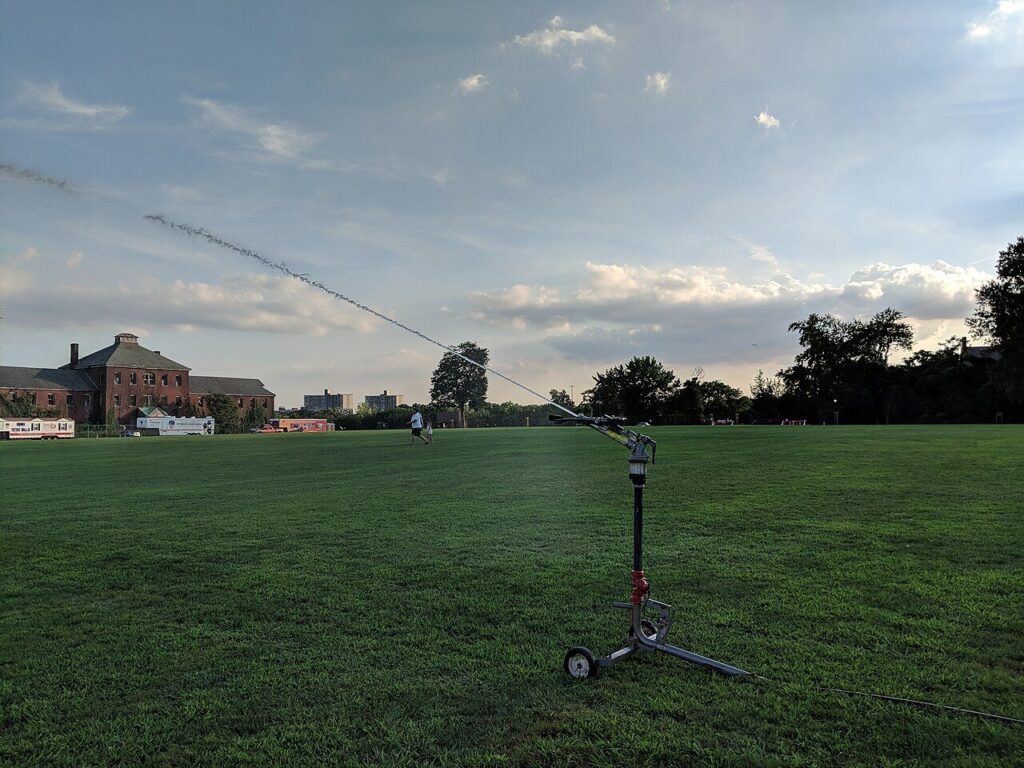
Someone standing between two Vero Beach yards on a winter weekend could see one sprinkler running Saturday and another running Sunday. Both households may be following the local schedule. The last digit of a residential street address determines which of those days applies. A November 18, 2026, notice from the city reminds residents that the change to Eastern Standard Time brings a one-day weekly schedule for routine landscape irrigation. The notice also points out that recent rain may already have done the job. An available day on the calendar is a limit, not a reason to turn a sprinkler on.
Odd-numbered residential addresses and homes without an address have Saturday. Even-numbered homes have Sunday. Nonresidential properties have Tuesday. The relevant number is the last digit of the address, including zero on the even side. The days apply during standard time, from the first Sunday in November until the second Sunday in March. A controller that changes its clock automatically may still retain a summer program with a second watering day. Check the active program itself before assuming that changing the clock changed the schedule.
Start at the controller, then step outside
The city’s watering reminder explains both the seasonal day and the hours. Routine irrigation is prohibited between 10 a.m. and 4 p.m. It is limited to one hour per zone. The district’s full watering restrictions also specify a three-quarter-inch maximum per zone per irrigation day and limit watering to what the landscape needs. Time and depth are different measurements of the same application. A zone that reaches its depth limit early does not get to use the remainder of an hour simply because the controller permits it.
Suppose a homeowner checks an even-numbered property and finds programs marked Thursday and Sunday. That pairing belongs to the daylight-saving schedule shown in the city table. In standard time, Sunday is the routine residential day for that address. A second start time left over on another controller program can operate the same sprinklers again without anyone deliberately selecting an additional watering day. Read each active program and each start time. A date that looks correct on the main screen tells you little about another program still enabled underneath it.
After checking the settings, look at the area each zone actually serves. One head might wet a sidewalk while a plant bed receives very little. A broken head might send water well beyond the lawn. Running the whole system longer to compensate wastes water where distribution is already adequate. University of Florida gardening specialists recommend checking for leaks, blockages and breaks and directing sprinklers toward plants. Fixing distribution is a different task from changing the weekly schedule. A resident can have the right day and still waste water with a poorly aimed spray. UF’s landscape guidance explains the distinction.
A private well is still a water source
The city says the restrictions apply to private wells and pumps, ground or surface water and water supplied by public or private utilities. A house with an irrigation well and a separate utility connection for indoor taps should not assume the landscape schedule applies only when a utility meter is turning. The district also addresses reclaimed water, particular kinds of irrigation and locations regulated by permits. Before applying a neighbor’s explanation about an exception, identify which source and system actually serve the property.
That question can be surprisingly complicated in a development. A resident may manage a small bed alongside the house while an association runs sprinklers on a common lawn. Find out who controls each system before adjusting a valve or interpreting a timer. A maintenance provider needs the property, water source and area served to determine the appropriate settings. The street address printed on a resident’s mail may not be the information needed to identify a commercial or common installation. Ask the operator or district how the actual site is classified when the distinction matters.
The district provides exceptions for particular methods and uses, including hand-held hoses with an adjustable nozzle that limits flow to when it is needed. It also describes microirrigation systems that deliver water differently from an ordinary lawn spray. Those are technical distinctions, not a blanket exemption for every hose or small sprinkler. A homeowner establishing new plants should check the rules currently applicable to the property and the specific planting. The district posts shortage declarations and their geographic coverage separately from its standard schedule.
What the grass can tell you
UF advises looking at plants for signs of wilt and using irrigation to supplement natural rainfall. Two zones can respond quite differently after the same storm. A shaded bed and a sunny stretch of turf do not necessarily call for the same amount of water. Grouping plants with similar water needs makes an irrigation program easier to manage. If one plant repeatedly needs attention while the rest of a zone looks healthy, it is worth asking whether the planting or the zone design is the part that needs changing.
The district describes a rain-sensor or shutoff requirement for automatic systems installed after May 1991. A homeowner can ask a service professional to confirm that an existing device operates and overrides the timer after sufficient rain. The ability to display the correct time does not show whether the sensor works. For a seasonal resident returning to Vero Beach, the first good opportunity to investigate may be the morning after a wet night, especially if pavement is being watered while the planting beds remain visibly damp.
The county utilities conservation page also distinguishes reclaimed water and harvested rainwater from conventional irrigation sources. A homeowner using a rain barrel for individual plants can ask a different question from someone operating a full lawn system from a private well. Record the source alongside the zone when reviewing the system. Indian River County Utilities explains its conservation guidance.
A practical winter check ends with a short note near the controller. Record which address classification was used, which routine day applies and which zones are shut off or need repair. If a landscaping company changes the program later, the person who lives at the property can ask what changed and why. Spring brings another seasonal table and potentially different district conditions. Until then, the city’s November reminder makes the decision concrete. Know the posted day, look at the landscape and leave the water off when the rain has supplied enough.