The Vero Beach archive that can put a date on an old neighborhood photograph
Use downtown Vero Beach’s library archive to trace a photograph, search old newspapers, compare maps and preserve the source of a neighborhood story.
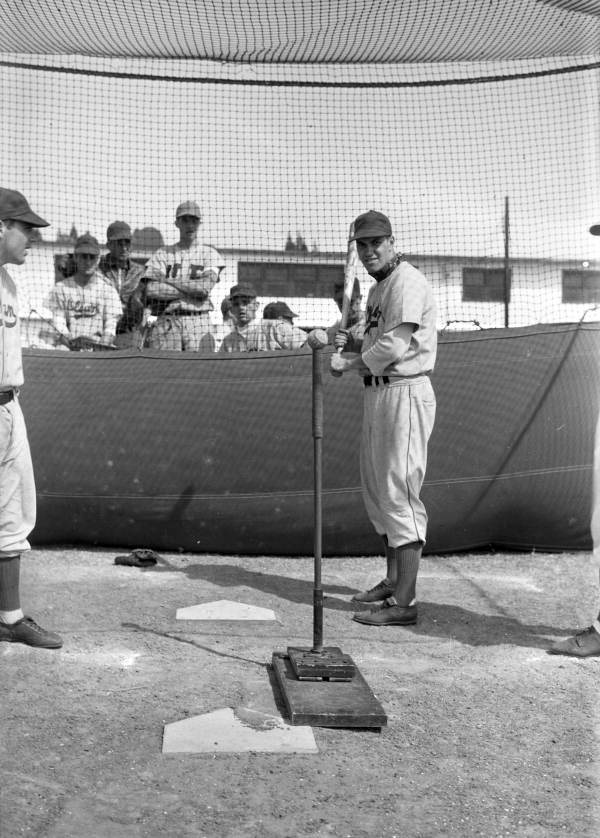
An old photograph labeled only “Vero” poses a deceptively difficult question. The palm trees tell you little. The car could have been parked in front of a building years after it was bought. Even a familiar family face may narrow the date only to a decade. Downtown Vero Beach has a public resource built for exactly this kind of puzzle. The Julian W. Lowenstein Archive Center and Genealogy Department occupies the second floor of the Indian River County Main Library at 1600 21st Street.
The archive’s county directory lists local history collections, maps, books, periodicals, newspaper databases, microfilm and microfiche readers, and a document and photograph scanner. It also lists a Pioneer Index, a guide to microfilm and the Rustin Military Collection. These are different ways into the local record. The best first step is to bring a question narrow enough that a staff member can suggest the right one. Start with the place you think you see, the range of years you suspect and the evidence behind that suspicion.
Work from the photograph outward
Before visiting, look at both sides of the photograph and at the envelope or album in which it was found. A number written by a processing lab, a caption in a relative’s handwriting and a later sticky note should be recorded separately. Each may have been added at a different time. If an envelope contains several images, make a note of their order and which ones were together. A store sign legible in a neighboring picture could provide the clue that is missing from the image you want to identify.
Write observations without turning them into conclusions too early. “Two-story building with three upper windows; partial letters visible over the door” is useful. “The old hotel before the renovation” may be a family belief, but it is difficult to test unless you know which hotel and which renovation someone meant. Draw a simple sketch of the scene if it helps you keep windows, doors and nearby buildings straight. A comparison based only on a similar roofline can lead to an attractive but incorrect identification.
A map can help decide which buildings could appear together from one viewpoint. First establish the approximate location and orientation. Which side of the street does the sun appear to light? Is a named cross street visible? Is the photo looking along the block or across it? Treat the answers as possibilities until another record supports them. A road name can change over time, and a familiar building can have more than one public entrance. The archive’s map collection provides an opportunity to compare a historical setting with the modern street rather than assuming the modern arrangement always existed.
Use a newspaper to test a specific proposition
A newspaper search works better with the name of a business, proprietor or organization than with the word Vero alone. Start with the most distinctive legible name. Try variations in punctuation and spelling. If the paper printed a formal company name in an advertisement but a shorter nickname in an article, the two searches may find different periods. A business moving to a new address can also make an otherwise correct match misleading. Save the address as well as the name when you find a promising result.
An announcement about a planned opening is different evidence from an advertisement soliciting customers at that address. An article about a building under construction can establish that a particular appearance was possible only after a certain date. A later photograph showing a replacement sign can suggest an upper bound. Together those records can yield a date range even when no source supplies the exact day the shutter clicked. It is legitimate to write “between these two documented changes” and leave the precise date open.
The county lists newspaper databases and guides to its film holdings. For a promising clipping, preserve the newspaper title, issue date, page number and a copy of the full page when permitted. A cropped paragraph detached from the masthead can be difficult to identify a second time. A database search result sometimes displays the date of an issue while a story on the page refers to an event from an earlier week. Document both dates when the difference matters to the story you are reconstructing.
Family names are clues, too
Suppose a relative recalls that an aunt worked at the business in the picture. An index entry or a newspaper mention may give you a spelling, a time range or another family name worth pursuing. Distinguish between evidence that the person lived in the area, evidence that she worked for the business, and evidence that she appears in this particular photograph. Those conclusions can all be true, but they require separate support. Ask the archive about the local collections most likely to address the link you are missing.
Research also works in reverse. If a candidate building had already been demolished when a documented event occurred, that is valuable progress. Keep a brief note of the eliminated possibility and why. Otherwise the next family member researching the image may spend an afternoon repeating the same trail. A useful research file contains rejected identifications as well as the one you eventually trust.
What to take home from the archive
Ask about copying procedures, image credits and reproduction rights for material you may wish to publish. Possessing a scan for family research and having permission to print it in a newsletter are separate questions. Capture the collection name, item reference and any credit line the archive supplies. If your own photograph could be useful to the collection, ask about the department’s intake process before bringing original albums or boxes. A description and small reference copy can help staff assess what might be relevant.
The county says volunteers assist patrons and help with indexing and preservation. An index may be the product of many hours spent making material discoverable, while the original page remains the stronger record for a detailed caption. Finish your search with a caption that distinguishes identity, date range and remaining uncertainty. A line such as “building identified from the storefront and neighboring address; photographer unknown” preserves what the research actually accomplished. It also leaves the door open for the next person who recognizes the one detail nobody else could place.
If a particular reel or collection will determine whether the trip is worthwhile, call the archive at 772-400-6324 before heading downtown. Provide the name of the collection and the date range. Staff can tell you which part of the department and which equipment you will need, saving the time you would otherwise spend starting at the general circulation desk.