At Round Island, leave room for the manatees to choose the encounter
Use the boardwalk and overlook at Round Island Riverside Park for passive manatee watching near Vero Beach, with a plan for days the animals stay out of view.
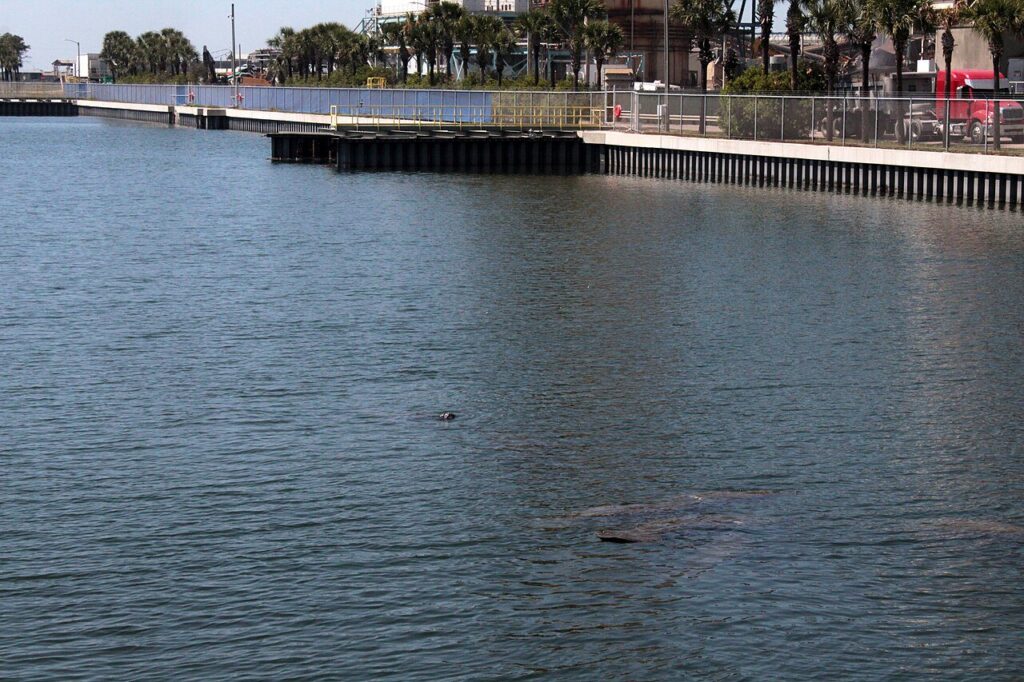
It is easy to make a manatee outing more complicated than it needs to be. The family has heard about Round Island. Somebody suggests renting a kayak so everyone can get closer. Somebody else wants to know the exact time a manatee will surface. At Round Island Riverside Park, south of the Vero Beach causeways, there is an easier starting point. Leave the boat ashore, take the boardwalk and see what the water offers from a fixed position. A sighting remains the animal’s decision.
Choose the riverside destination
Indian River County places Round Island Riverside Park at 2200 South Highway A1A. The word “riverside” matters when setting the meeting point. This is a lagoon outing. The county describes a 400-foot boardwalk and a footbridge to a small island with trails, an observation tower and a fishing pier. There are also ramps and a canoe launch. A family coming entirely on foot can use the public viewing infrastructure without getting into the launch traffic or arranging a boat.
If your group includes a stroller or someone who needs a particular surface, make a plan for the first viewing stop rather than promising that every member will do every part. The county lists paved parking and designated spaces, but a parking space, a boardwalk and a tower are three separate features. Ask the county for current route details if gradients, distances or steps affect your visit. Settle on a place for people who want to sit out a longer walk to meet the rest of the group.
Learn to wait without crowding the water
FWC’s manatee viewing guidelines call for passive observation and keeping your distance. On the boardwalk, that translates to something pleasantly uncomplicated. Pick a legal viewing position and let the animals move through the scene. Resist the impulse to run parallel to a sighting along the bank. A manatee that disappears below the surface is not asking to be followed to the next place it might come up. Use binoculars or the zoom on a camera from where you are.
There are techniques for making waiting interesting even if the children were hoping for an immediate spectacle. Divide a broad view into three zones and give each person a section to watch. Ask them to point out movements without naming the animal too soon. Wind makes ripples, boats make wakes and fish can break the surface. Encourage “I saw something move near the far bank” before anyone announces a manatee. It is easier to refine an honest description than to persuade an excited group to retract a confident misidentification.
A raised view can also make it easier to see where glare changes. At one angle the entire surface may reflect the sky. At another you might be able to look partly into the water. Change your position on the established route if necessary, rather than stepping into vegetation or leaning over the railing. Keep a quick photograph of the wide setting if you like. Later, you will be able to describe the scale of what you saw even if the closer photograph includes little more than a nose.
Leave the launch to the people launching
Boat ramps introduce a second kind of activity into the park. People backing trailers need to concentrate on the ramp and the boat. Paddlers may be moving gear between their vehicle and the designated launch. Choose a place to gather away from the launch lane. Keeping the group together on land also makes clear to children that the plan is to observe an animal, not to enter the water for a better view. A park can accommodate all these uses only if people leave room for them.
For someone who does have a paddling trip planned, the presence of a manatee is a reason to give the animal space and keep its path open. FWC discourages pursuing, touching, feeding or offering water to manatees. Even a gesture that looks friendly can change the animal’s behavior. If the situation gets crowded, leave it. The family with the best picture is not necessarily the family that had the most respectful encounter. Some of the easiest behavior to model for a child is simply choosing to stay still.
What a sighting can tell you
If a manatee surfaces twice while you watch, do you have two sightings of one animal or one sighting each of two animals? Often the answer is that you cannot tell. Write down the time and direction of each surfacing and whether you ever saw two animals at the same moment. A note saying “at least one” can be much more meaningful than a larger number produced by counting every new disturbance in the water. The same caution applies to an apparent absence. You can report that you saw none during a visit without suggesting that none were present anywhere around the park.
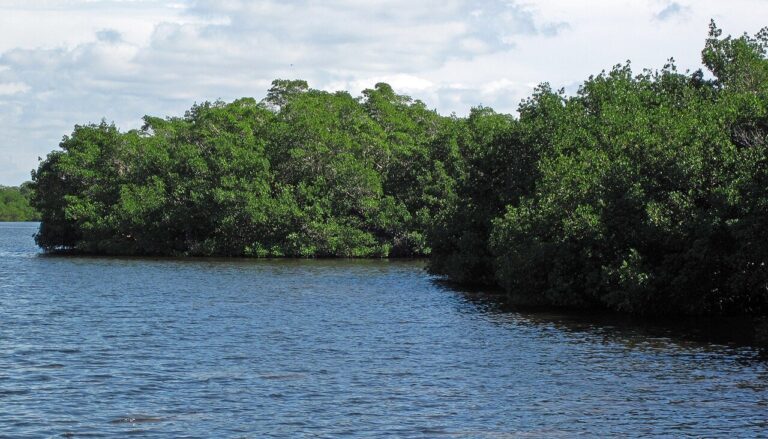
If the lagoon stays quiet, take the footbridge or spend time observing the broader shoreline. Look at the shape of the island, the way a sheltered stretch meets more open water and how different users share the same access. A child who can describe a boardwalk, a quiet edge and a busy ramp has learned something about where wildlife and people meet, whether a manatee surfaced during those particular minutes or not. For more places to learn about the animals, FWC maintains a Florida viewing guide.
Think through how you will share a photograph as well. A caption such as “seen from the public boardwalk on Saturday morning” tells the next visitor how the observation was made. Avoid presenting individual resting spots as coordinates to pursue by boat. A picture can show how to enjoy a public park responsibly, or it can encourage a crowd to follow an animal away from that park. The choice often comes down to a few words in the caption.
Before leaving, share the best observation in one sentence. Include the name of the park, where the observer stood and what they actually saw. If someone asks when to go for a guaranteed encounter, offer the useful part of the story instead: there is a public place on the riverside where a group can watch from land, use a real boardwalk and let wildlife go about its business. On a coast where so many pictures seem to reward getting closer, a visit built around staying back is worth passing along.