Reading a fishing report from Sebastian Inlet to the Vero surf
Use the location, date, tide station and access notice to decide what a Sebastian Inlet or Vero Beach fishing report actually tells you.
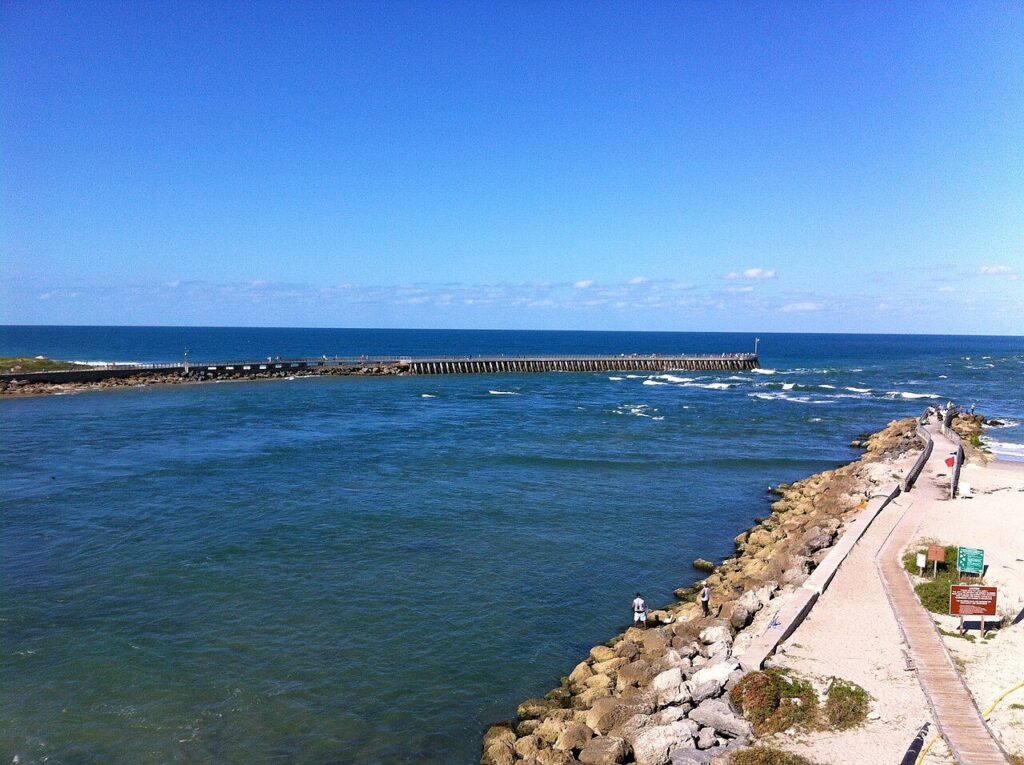
A relative sends a picture of a fish and a two-word message: “Sebastian yesterday.” Before you put a rod in the car, what would you want to know? A person fishing from a skiff inside the lagoon and a person casting into the Atlantic may both say they went fishing at Sebastian. They could have been miles apart, with different access, visibility and exposure to the wind. The picture tells you someone had a fish in front of a camera. The setting and the time are what make that picture useful to another angler.
Put a pin on the right water
Read for the water first. Was it a stretch of Vero Beach surf, the inlet, an inshore shoreline, or offshore water reached by boat? Then read for the angler’s position. “From the beach south of the inlet” leaves room for interpretation, but it is a better starting point for a shore angler than “off Sebastian.” A report can be specific enough to help without giving away a favorite spot. The side of the waterway, the broad setting and whether the person stood on shore, on a structure or on a vessel are usually enough to decide whether to keep reading.
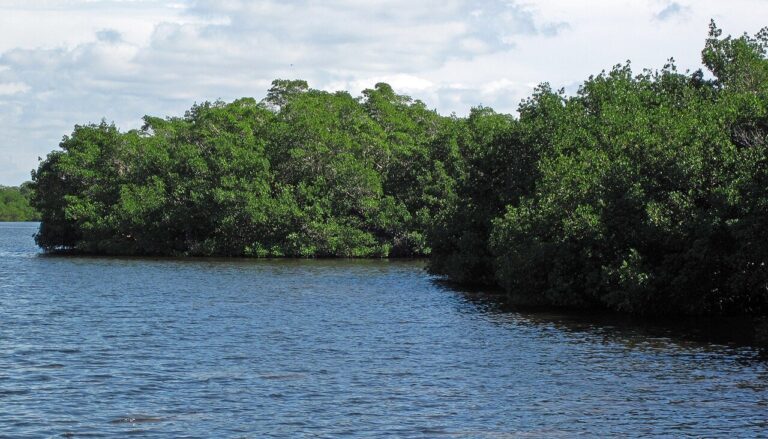
Imagine that the observer could see bait near the edge of a mangrove shoreline. A beach angler can reasonably take that as evidence of bait in one part of the lagoon. It does not locate a school along the ocean beach. The same principle works across small distances. A protected edge can look inviting while the open water outside it is quite different. If you pass the report on, retain the words that limit it. Dropping “inside the lagoon” changes the meaning of everything that follows.
Date the observation, then date the post
Look for the day the observer was on the water. A report uploaded today might describe a weekend trip, and a photograph reposted by another account might be much older. “Before work on Tuesday” is more useful with a calendar date, especially when a post keeps circulating into another week. A time range matters too. Someone who watched the surf for fifteen minutes before breakfast had a different sample from someone who fished the same beach throughout the morning.
The outing’s length can change the impression a perfectly honest photograph creates. One fish caught in five hours and one fish caught in five casts can produce indistinguishable images. Neither tells you the next five casts will succeed. Ask how many people fished, whether they moved and what part of the session the account describes. An afternoon devoted to moving between places offers very little evidence about sustained activity at any single one. A quiet report from a stationary observer can convey more about a particular section of shoreline.
Use the right clock for the tide
NOAA identifies Sebastian Inlet station 8722004 at the inlet bridge. Open the station page and select predictions for your date. Read the station name, the time basis and the unit of height with the numbers. Saving a screenshot that omits all three is a reliable way to find yourself looking at an attractive graph a week later with no idea what it describes. A tide prediction refers to conditions at a specified location. It cannot verify where or when someone caught a fish.
A useful exercise is to set the angler’s time beside the station’s prediction without changing either account. Write “angler described moving water at the shoreline” in one column and the predicted high or low at the bridge in the next. Resist turning the second entry into a measured current speed at the first location. Water height and current speed answer different questions. Timing from a particular tide station also cannot be transferred wholesale to a distant beach or a tucked-away lagoon shoreline. Keep the comparison narrow enough that it could be checked by someone else.
Conditions can change before you leave
A photograph taken under bright skies is an observation about the moment the shutter opened. For a planned trip go to the National Weather Service Melbourne marine information and find the forecast for the waters you intend to use. Read the issue time, the period the forecast covers and any active advisories. A boat trip that leaves sheltered water needs information for the exposed portion as well. For an outing along the surf, use the beach information relevant to that part of the coast and follow posted and lifeguard instructions at the access point.
Access deserves its own check. As of November 28, 2026, Sebastian Inlet State Park carries a temporary north jetty closure notice and says construction prevents access to the beach from the south side. An older, accurately captioned photograph can therefore show a place you cannot currently reach the same way. Reopen the park notice on the day you travel. A post about traffic, a bridge project and a notice closing a specific fishing structure can concern different authorities and different dates. Follow the notice for the facility you need.
What belongs in the notebook
On your next outing, try recording the starting place and time, the water you actually fished, and the time you stopped. If you moved, begin a new entry. Separate fish landed, fish lost, fish seen and information heard from another person. “Two people beside me said they caught fish earlier” is an account of what they told you. It becomes much less trustworthy when abbreviated to “fish were caught while I was there.” Keep an uncertain identification uncertain. There is no need to name a species to describe what you observed.
One final detail to keep is the direction of the view. A picture looking toward land and another looking out to sea can make water color look different even within a few minutes. Comparing those photographs might suggest a change that the observer never reported. If color is a part of the account, ask what the observer saw directly before giving much weight to the color on a screen.
Before making any harvest decision, consult the Florida Fish and Wildlife Conservation Commission’s recreational saltwater guidance for the species, place and date. An online photo of a kept fish does not establish what is allowed on your trip. If you share an observation with the Journal, include how you know the date and location and whether the photograph is yours. When there are no reliable recent observations, our fishing desk can still link readers to weather, tides and access information. Marks in the notebook from an uneventful morning have value, especially when they spare another reader from mistaking yesterday’s rumor for this morning’s catch.