Two shipwreck museums tell the Treasure Coast story from opposite shores
Visit the McLarty and Mel Fisher museums around Sebastian to trace the 1715 fleet, a survivors’ camp and the separate search for the Atocha in the Keys.
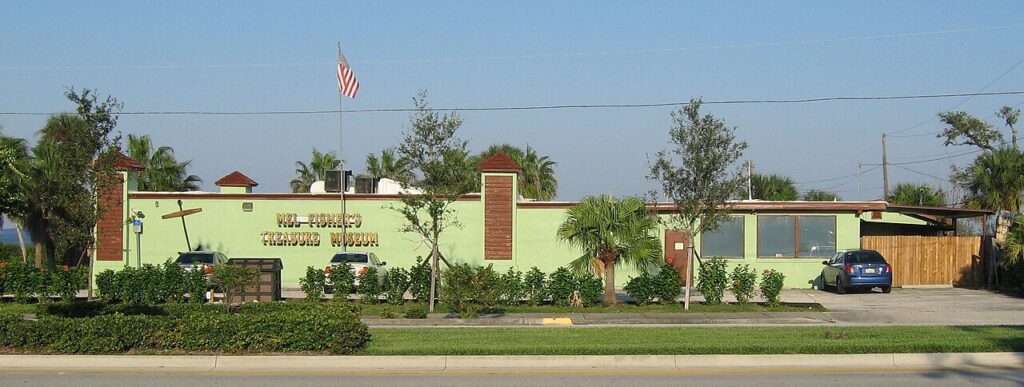
Two museums near Sebastian can turn a familiar Florida nickname into a story with dates, places and people. The McLarty Treasure Museum stands on the barrier island at the site of a camp used after the 1715 fleet disaster. Mel Fisher’s Treasure Museum is on the mainland in Sebastian and follows both that fleet and the modern search for ships lost nearly a century earlier off the Florida Keys. A visitor who remembers only a spectacular pile of treasure may blend the wrecks together. Spend time at both museums and a much more interesting geography emerges.
Begin at the place where survivors came ashore
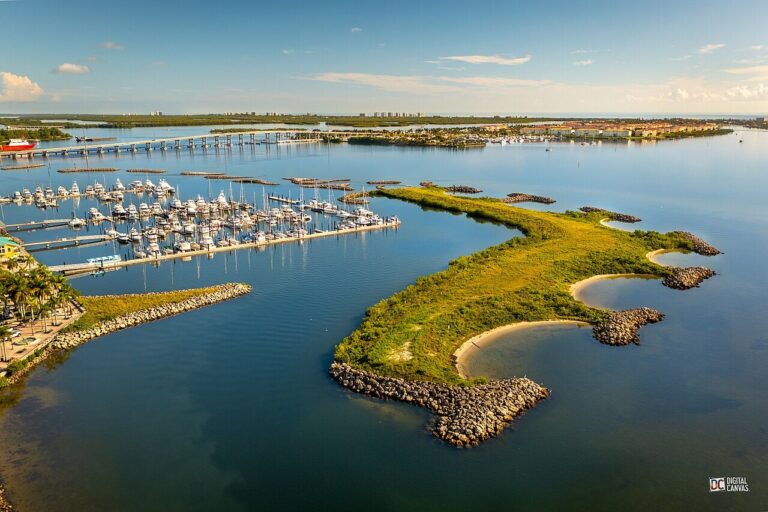
The state park’s account of the wreck traces a fleet sailing from Havana toward Spain in 1715. A hurricane struck off the Florida coast. People who survived and those involved in salvage gathered in a camp near the inlet, where they tried to recover cargo under difficult conditions. The McLarty museum stands at the camp site. That physical relationship is the reason to go to the barrier island even if the family has already read the history. A point on a map becomes a patch of land facing the water where the work and waiting took place.
Start with the people onshore. What would a group of shipwreck survivors need before it could think about recovering anything from the sea? How would those needs differ from the priorities of whoever had responsibility for the cargo? These are questions to carry to the exhibits, without assuming that a single survivor speaks for everyone involved. The park describes artifacts and clues left at the site. An object connected with daily life in the camp can tell a much more revealing story than its value as a collectible would suggest.
The state also places the camp in a much longer coastal history. Ais people lived in settlements here well before the fleet arrived, drawing on local waters for sustenance. Leave time for that history. It changes how a visitor interprets the word remote when the coast is described from the perspective of a ship in distress. A landscape unfamiliar to a stranded European crew was already home to people who understood its waterways and resources. The park’s own account invites visitors to consider both timelines while looking out to sea.
Connect the museum to the shore outside
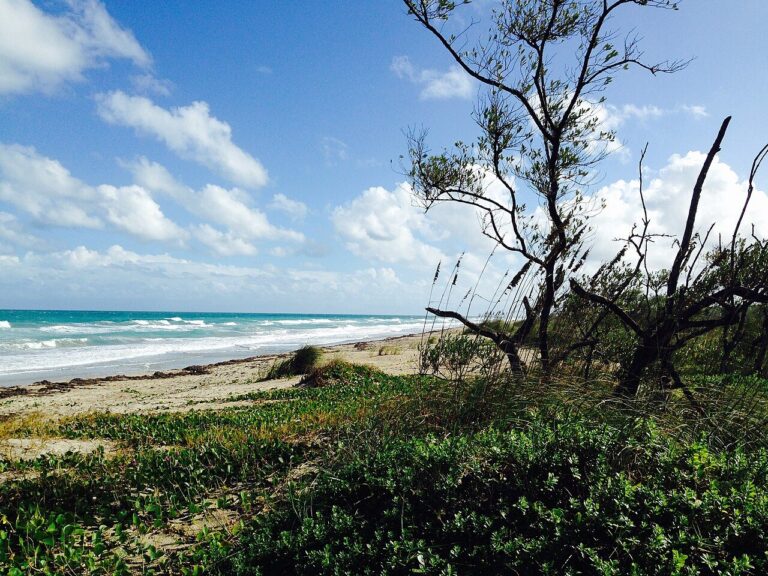
The park’s museum description identifies exhibits, artifacts, a film about the 1715 fleet and an observation deck looking over the Atlantic. Watch the film early enough to have time afterward for the deck. A view that began simply as a pleasant stretch of water will now have direction and scale. Imagine the route leaving Havana, continuing along Florida and eventually turning toward Europe. Then picture what the crew ashore could and could not see from the camp after the vessels were lost.
Look up McLarty’s specific operating days and final film time before setting out. The park’s general opening hours do not describe the museum’s schedule. Also check the current Sebastian Inlet bridge and access notices if approaching from the north or combining the visit with another park stop. The park has a separate Sebastian Fishing Museum devoted to local fishing families. That is another worthwhile destination, but an invitation sent simply as the inlet museum may bring a companion to the wrong building. Use the full museum name when the group makes plans.
On the mainland, the Fisher family follows two fleets
Mel Fisher’s Treasure Museum tells visitors that the Fisher family moved from California to Vero Beach in 1963 and worked on the 1715 wrecks. The later search that brought the family widespread attention took place in the Florida Keys. The Nuestra Señora de Atocha and its sister ship Santa Margarita belonged to a fleet lost in 1622. The museum dates the discovery of the main Atocha deposit to July 20, 1985. Both fleets belong in the Sebastian museum because of the people doing the work. They belong in different places when locating the wrecks themselves.
Visitors can use that distinction to read an artifact label more closely. First find the ship or fleet named. Then find the date of loss, followed by the location and the date of modern recovery if given. An object from a seventeenth-century wreck may have entered public view far more recently than one from a wreck that sank later. This simple exercise explains how a museum can place widely separated centuries beside one another in a single display. It is particularly satisfying for children beginning to recognize that discovery and loss are different events.
The museum offers an introductory video and interactive displays. Its theater has its own closing time, another reason to leave more than a last-minute stop before dinner. The Fisher operation’s history of its 1715 work also notes the opening of a conservation laboratory in Sebastian in 1990 and a permanent museum two years later. Those dates add a final step to the route of an object: after the loss and the recovery came the work of preparing material to be studied and displayed on land.
Build a day around the two locations
There is no need to see the museums in strict historical order. Someone staying on the island can begin with the camp, then cross to the mainland and end in Sebastian. A traveler based in Sebastian can start at Mel Fisher’s, learn the two fleet dates, and carry the local one to the barrier island. Check admission with each operator. These are separate institutions with separate entrances and schedules. On a short holiday or a wet afternoon, it can be more rewarding to see one properly and leave the other for another day.
Before leaving the second museum, ask everyone for one object, one place and one year they remember. The person who names the Atocha can point toward the Keys. The person who remembers the survivors’ camp can point back across the lagoon toward the Atlantic shore. A visitor may even choose the 1990 laboratory as the part that made the story come together. All three answers belong to a Treasure Coast trip. Knowing why they belong together is what makes visiting these two museums worth the journey.
One final clue makes arranging a reunion easier. Mel Fisher’s Sebastian museum gives its address as 1322 US Highway 1. The McLarty site is reached from the barrier-island highway. Send both locations to anyone joining midway, and label the mainland stop with Sebastian because the Fisher name is also closely associated with Key West.