Walk from a palm collection to Port St. Lucie’s riverfront past
Walk the Port District from Port St. Lucie Botanical Gardens to the historic Peacock buildings, Pioneer Park playground and North Fork boardwalk.
Port St. Lucie keeps several kinds of time along a short stretch of Southeast Westmoreland Boulevard. In the Botanical Gardens you can spend an unhurried morning comparing palms and orchids. The historical society occupies a 1952 lodge beside a house that the city dates to 1917. At neighboring Pioneer Park, which held its grand opening in June 2024, a child can conduct an experiment in water and sand that lasts until somebody calls them to lunch. The North Fork of the St. Lucie River runs alongside all three.
For a visitor coming from Vero Beach, these are best treated as one destination with distinct entrances and opening arrangements. Use 2410 SE Westmoreland Boulevard for the gardens and 2456 SE Westmoreland for the history museum. Choose which activity requires a particular opening time and build the day around it. The public walkway allows plenty of room to link a scheduled visit to an unscheduled one. You can give the river its due without committing everyone to a boat trip or an entire afternoon of walking.
Select a pair of gardens
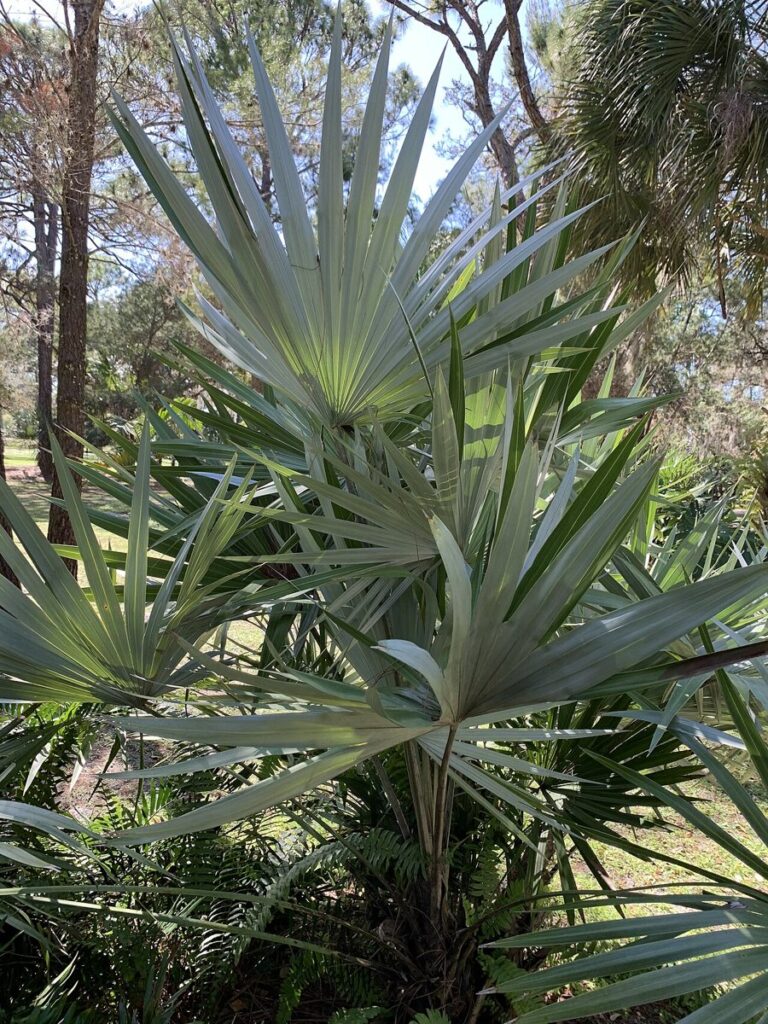
The Friends of the Port St. Lucie Botanical Gardens organizes the plant collection into smaller gardens. Their names make a better planning tool than a generic promise of lush foliage. The Palm Walk and Bamboo Garden invite a comparison of tall plants with very different ways of building height. The Orchid Room and Bromeliad Island offer an entirely different pairing for someone who likes to study how leaves and flowers fit together. A person with an interest in kitchen gardens can add the tropical fruit collection and look for plants they recognize from a produce aisle.
Pick two that interest you, and leave any others as a bonus. In each, choose one plant to photograph in full and one detail to photograph close up. Include the identifying label in a separate shot rather than trying to remember a Latin name in the parking lot. You will end up with a small record of differences that were worth stopping for. This also works with young visitors. Asking which two palms look least alike is an achievable task, even for a child who has never taken an interest in plant names.
The city’s garden guide describes a lake, paved paths, public art and benches as well as the beds and pavilion. The gardens opened in 2010. Their paths total just under a mile, although nobody needs to walk all of them to visit two collections. Visitors may bring their own standard wheelchair or mobility scooter. The city notes there are no rentals on site. Check the Friends’ opening schedule and suggested donations before travelling, especially on a holiday or a Monday.
How a house and a lodge changed addresses
South of the gardens, two historic buildings tell an unusual preservation story. The Port St. Lucie History Museum and Education Center explains that the 1917 Peacock House and the 1952 Peacock Lodge both came from the western part of the city. They were moved to this site in 2018 with state support. That history changes how a visitor reads the scene. The buildings can tell you about an earlier Port St. Lucie, but their present position overlooking a developing public district is a more recent chapter.
After relocation came practical work, including reinforcing foundations and renewing roofs. The city completed the lodge refurbishment in 2022, and the historical society operates the museum there. The house has its own restoration timetable. Ask about access to each building if an interior visit is important. Even from outdoors a visitor can consider what it takes to preserve a wooden structure by shifting its location. The builders’ work can survive, yet the road, fields and neighbors that once gave it meaning are now elsewhere. Good historical interpretation has to carry some of that missing place along with it.
Give the playground its own time
Pioneer Park occupies just under ten acres south of the Botanical Gardens. The city lists a riverfront stage, open gathering space and a playground with quite different areas for different ages. Small children have a sand playhouse and excavator. The water play area includes a raised channel and sprays. Larger children have an alligator-themed play structure and pendulum swing. The city also lists an accessible carousel among the swing-area features. A family can look at the offerings together and decide which part deserves the longest stop.
Water and sand change how to plan the sequence. A change of clothes in the car may be more useful than persuading a child to stay dry before a museum visit. Put the museum first if the adults want time to read and the children intend to try the water play. An adult who prefers quiet can take a garden walk while another stays at the playground, provided everyone knows where to reunite. The garden pavilion and the park’s riverfront stage are different meeting places. A precise name saves a round of calls along Westmoreland Boulevard.
End beside the North Fork
The city puts the pedestrian boardwalk at roughly 3,300 feet and describes its path under the Port St. Lucie Boulevard bridge. Start from the park and decide at the river whether to make a short out-and-back or to continue toward the bridge. A walkway length gives the distance of the facility, not a promise about how far every visitor must travel. Someone who wants only to see the river can share the beginning with companions taking the longer walk and arrange to meet again by the stage.
The three stops reveal three different reasons the city has gathered people on the same bank. Volunteers tend a plant collection that rewards attention to detail. A historical society interprets buildings that were deliberately moved here. A new park gives families space for noisy, open-ended play beside a river that did not have to be moved or planted. On the way home, look through the pictures in that order. A palm label, a lodge roof and a boardwalk rail make a surprisingly good portrait of a city often seen only through a car window.
People returning for a second visit can start at the bridge and retrace the route toward the gardens. After seeing the leafy bank along the North Fork, the native plant collection becomes a particularly interesting final stop. Labels can put names to forms that looked familiar but remained anonymous from the boardwalk.