Sleep in Jensen Beach’s old commercial district, then read its history on foot
A stay in Jensen Beach’s Ricou Building opens onto a town shaped by pineapples, fishing and commerce, with a local history museum and lagoon park nearby.
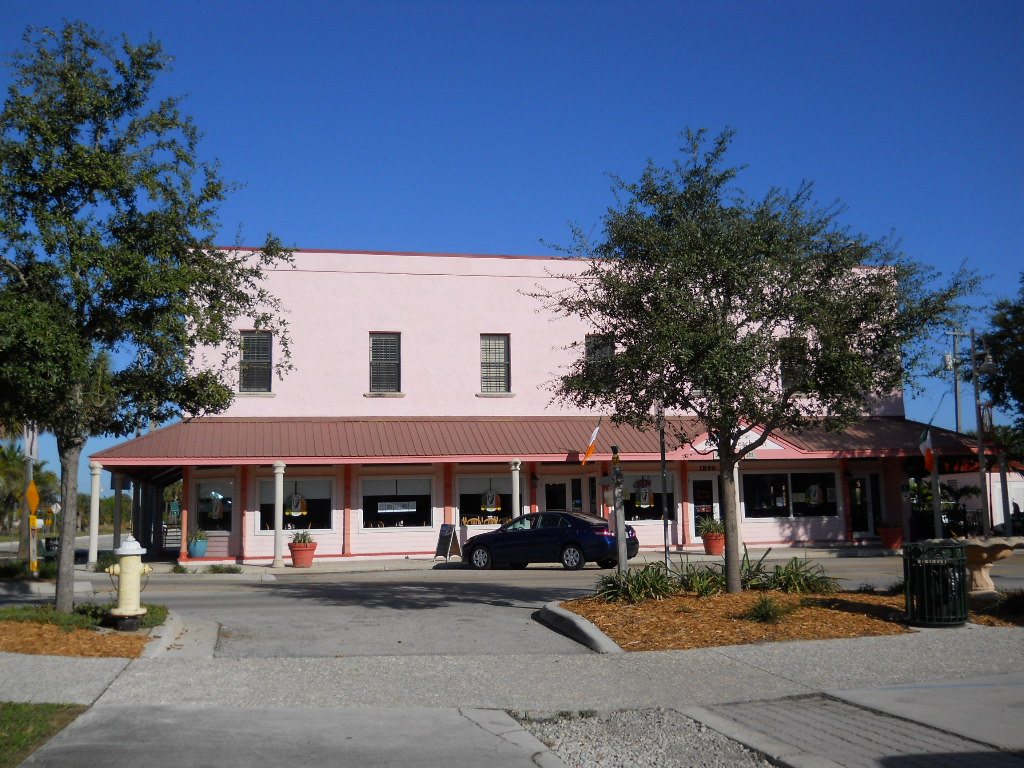
The word beach in Jensen Beach can send a hotel search straight toward the Atlantic. That would miss one of the town’s more interesting places to spend a night. Jensen Beach Inn occupies the old R.R. Ricou Building in the mainland commercial district. Its story has more to do with a post office, stores, a fishing family and pineapple growers than with rooms arrayed along a strip of sand. A stay here rewards travelers who like to step out into a town and work out what made it a place where people gathered in the first place.
A business building before it was a guest building
The inn’s history dates the Ricou Building to 1909 and describes earlier uses including a school, post office and general store. Those are good clues to understanding the frontage in a historic photograph. A building that has housed commercial and civic activity has to be accessible to people passing in the street. An inn needs a second kind of space, somewhere guests can retreat after the day’s public life is over. Look at the street-facing facade on arrival and consider how those two functions can fit into a single building.
The Ricou name also appears outside the hotel’s history. The Stuart Heritage Museum identifies Ransom Ren Ricou as a settler with a major wholesale and retail fish business. It recounts a fire in his family home in 1929. That house and the building where modern guests book a room are different places. Reading the accounts together is useful precisely because the family’s name can appear on more than one site. It takes a business district, a household and a fish trade to begin to explain the person represented by a set of initials.
Look inland as well as toward the lagoon
Pineapple production supplied another important part of the local economy. The inn describes Jensen’s period as a major pineapple shipping center and the damage a 1917 freeze did to the crop. A traveler looking only for palms and seawater could miss this agricultural history. The crop needed land, labor, packing and ways to move produce beyond the place it was grown. A business district serving growers had roles well beyond entertaining people who came for the weather. Its stores and public rooms gave residents places to meet, exchange news and conduct business through good seasons and bad ones.
A simple way to bring that history into a short stay is to choose one thing to investigate each time you go out. On the first walk, look for old commercial fronts and imagine which uses might require a broad entrance or a prominent sign. On the second, look for place names connected to the people who worked here. Then compare whatever you noticed with the historical accounts. A feature may have changed, and a familiar name may have moved. The point is to replace a general impression of old Florida with one or two observations that belong to Jensen Beach specifically.
The Jensen Beach History Museum is housed in the community center downtown. Its mission includes collecting and interpreting the history of local people and institutions. Check its visitor information for the date of the stay, particularly on a short trip when an institution run for the community may keep a different schedule from a commercial attraction. Bring a specific question about the Ricou family, pineapple shipping or the old downtown. A modest museum can be especially satisfying when a traveler has already walked through the streets behind the names on its displays.
How a downtown night differs from a night on the sand
The Jensen Beach Inn describes rooms and suites, including options with views of downtown. For someone who enjoys seeing how a town wakes up, looking into the business district can be an attraction in its own right. For someone who prioritizes quieter sleeping conditions, ask the inn about the position of the specific room available, any scheduled downtown activity and the route from parking to check-in. The attractions of street life and the realities of an early bedtime can coexist, provided the traveler knows which side of the room matters most.
A party arriving in separate cars should use the name of the inn in its directions and agree on a meeting place downtown. If another household has reserved a property on Hutchinson Island, both may casually describe themselves as staying in Jensen Beach. The journeys at the end of dinner will be different. Having one group on the mainland can make it easy to organize a local history outing while the other takes charge of the beach day. An accurate street address and clear meeting time matter more than a shared town name.
Put a riverfront park into the itinerary
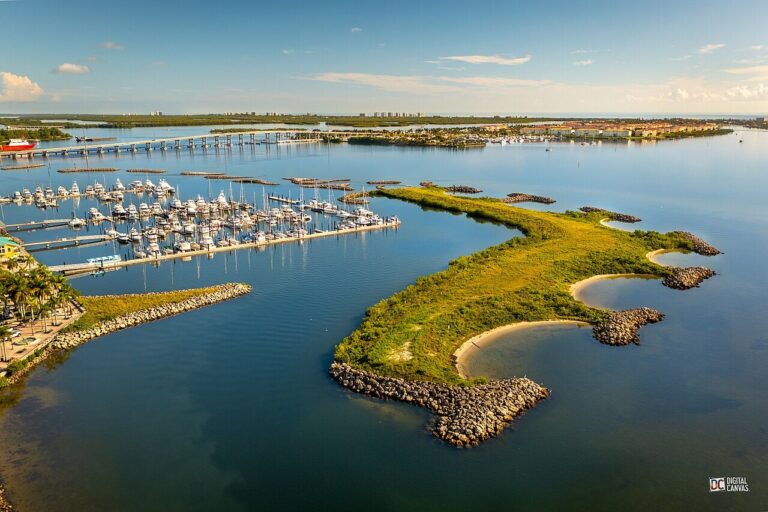
Martin County’s Indian RiverSide Park at 1707 NE Indian River Drive brings a different waterfront into the visit. The county identifies the park as home to the Children’s Museum of the Treasure Coast. A family can make the park the day’s gathering place, then decide individually who wants a museum visit and who would prefer time by the lagoon. Check museum admission and hours separately from the park opening. A public site and the institution inside it can have different entry procedures even when the group arrives in one car.
Someone hoping to experience both town and ocean can divide the visit across two mornings. Reserve one for the downtown museum and the district around the inn. Spend another on the island if the Atlantic is a priority. To fit everything into a single day, choose a small number of specific stops instead of counting the entire time between checkout and dinner as free. A local-history discussion, a child engrossed in an exhibit or an unhurried walk can easily become the most memorable part of the trip once the schedule leaves room for it.
Staying in a historic building does not require spending the entire holiday studying dates. But knowing what the initials on the building mean, why pineapples appear in accounts of the town and where the lagoon fits into the map gives an ordinary hotel morning more depth. A visitor can come for the beach and sleep in a place that once helped a working community go about its daily affairs. That combination is what makes the old commercial district a distinct choice for a Treasure Coast stay.