Why Thanksgiving pickup differs across Indian River County this year
Find the November 2026 holiday instructions for Vero Beach, Orchid and the WM service area, plus the rules for taking a mixed load to a convenience center.
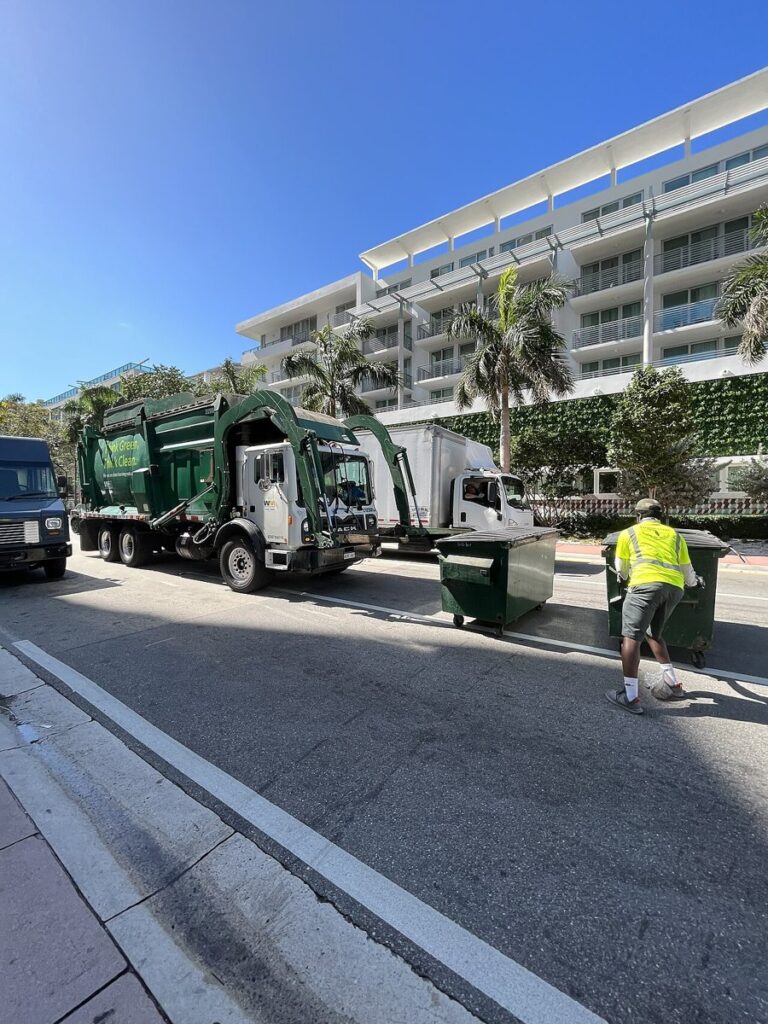
Two households with Vero Beach mailing addresses could put the same kind of garbage cart out on different days after Thanksgiving and both be following the official instructions. Indian River County’s November 21 notice combined a return to normal operations after flooding with its holiday arrangements. The two announcements refer to different events. Facilities that resumed work after the flood still observed the Thanksgiving closure, and the instructions for collecting household garbage after that closure depend on who provides service at the address.
The county said the landfill and its five convenience centers closed Thursday, November 26. Its holiday service notice said regular facility schedules resumed Friday. For curbside service, the first step is to identify whether a question concerns garbage, recycling or yard waste. The second is to identify the actual service area. Simply telling a neighbor to put everything outside a day late overlooks two separate exceptions that affect people living here.
Three instructions for household garbage
For WM customers in unincorporated Indian River County, Fellsmere, Sebastian and Indian River Shores, the county listed Friday, November 27 for the normal Thursday route and Saturday, November 28 for the normal Friday route. The same holiday shift applies to recycling countywide, according to the notice. Those instructions have specific dates. They describe the Thanksgiving week in 2026 and should not be saved as a permanent Saturday collection schedule.
In the Town of Orchid the notice names Waste Pro as the provider and says Thursday garbage service resumes Monday, November 30. It supplies 772-595-9390 for Waste Pro questions. The City of Vero Beach uses a third arrangement. Its Thursday and Friday garbage customers are directed to their next scheduled service day. The city division can be reached at 772-978-5300. For the WM portion, the county gives 772-569-1776. Identify your material and normal pickup day when calling. A company can correctly answer a garbage question while you are actually waiting for recycling.
An apartment or condominium can add another layer to a simple curbside question. A resident who uses a shared dumpster may not have an individually assigned residential cart or route. Check with the property manager about the building’s service arrangement before using a single-family neighbor’s instructions. If the issue is an overflowing enclosure, give the manager the enclosure location and the date it was last serviced if known. Avoid leaving large items beside a shared bin on the assumption that a holiday crew will load them.
A convenience center is a different service
A missed collection does not automatically make every material suitable for a county convenience center. The Solid Waste Disposal District’s facility directory lists five residential centers and the landfill separately. The center names are Roseland, Winter Beach, Gifford, Oslo and Fellsmere. All close Wednesdays and on designated holidays. Other closed days vary by location. A note that the centers resumed their regular hours means residents should check the schedule for the particular center they intend to visit.
The published schedule groups Roseland, Winter Beach and Gifford with Tuesday and Wednesday closures. Oslo and Fellsmere close Wednesday and Thursday. The site gives regular center hours as 7 a.m. to 6 p.m. on operating days. This difference becomes particularly useful when a visitor leaves right after the holiday and a household has extra material. A Wednesday trip is a poor gamble countywide, but the choice of facility also changes what is possible on Tuesday or Thursday during an ordinary week.
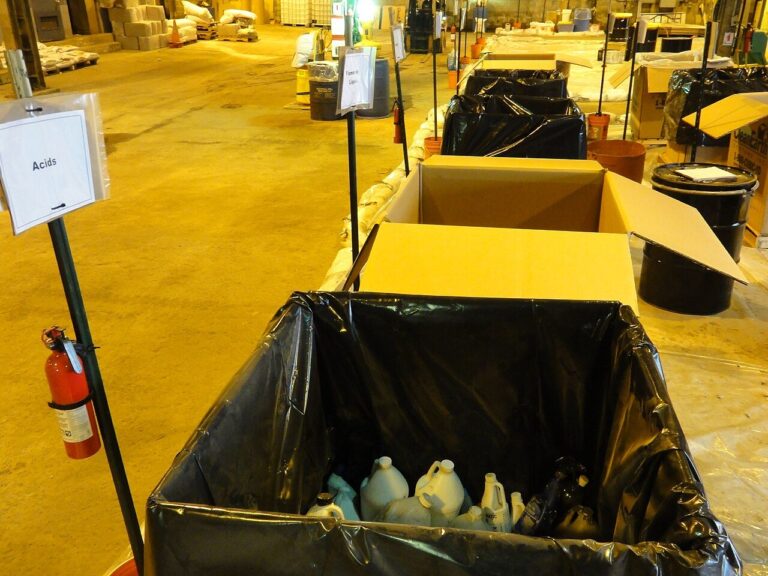
The facilities accept some materials that a blue cart cannot take. The directory identifies electronics, scrap metal, some plastic film and white Styrofoam among the drop-off items. It also lists household hazardous materials such as paint, motor oil and rechargeable lithium-ion batteries. Check the instructions for the specific material before transporting it. An outlet for household drop-off is not permission to place the same item in the recycling cart. County instructions for the two collection systems answer different questions.
Sort the load before choosing the destination
Consider a realistic cleanup after a long weekend. The pile contains empty containers from dinner, a broken electronic device, sticks from the yard and scraps left by a home repair. It is tempting to load everything together, drive to the closest center and ask someone at the gate to sort it out. The county explicitly directs construction and demolition debris to the sanitary landfill and describes it as chargeable. Branches over three inches in diameter and land-clearing debris also go to the main landfill. A residential center may be appropriate for only part of that mixed load.
Separating the piles before loading the vehicle saves a second trip and avoids mixing usable recyclables with a disposal load. Read the current facility and fee information when charges might apply. A price someone remembers from an earlier year may no longer be the applicable rate. If a contractor produced the debris, clarify who is responsible for removal under the job arrangement. The convenience centers are designated for residential use. A contractor’s truckload and a resident’s household drop-off are not necessarily covered by the same acceptance rules.
If the cart is still full
A customer reporting a missed pickup can give the provider the street address, material, usual service day, whether it is a shared cart and when it was set out. Describe whether neighboring carts of the same kind were collected. A truck emptying a different stream on the block does not establish that the relevant route already ran. If the provider issues a reference number, save it until the cart is emptied or another service arrangement is confirmed.
November’s county notice is particularly helpful because it describes the resumption after flooding and the exception for Thanksgiving in one place. Readers looking at an older emergency notice may otherwise believe a facility is still closed; readers looking only at routine hours might miss the holiday shift. For the next holiday, use the provider’s newly dated notice and the facility directory again. The dependable habit is to check who takes the material and where, then check the date. That sequence works even when the calendars for garbage, recycling and the drop-off centers diverge.
A practical tip for a household with visiting family is to leave two written instructions beside the bins. One can name the material accepted in each container. The other can identify the day and place to set it out that week. Visitors may know a different recycling system at home, and a vacation rental’s mailing address offers few clues about the local collector. The provider’s specific instructions will survive a busy kitchen better than a general request to remember recycling.