Three spots and a fall closure tell two stories about flounder
Learn to distinguish Gulf and southern flounder, read their changing eye position and check Florida’s fall harvest closure before fishing near Sebastian.
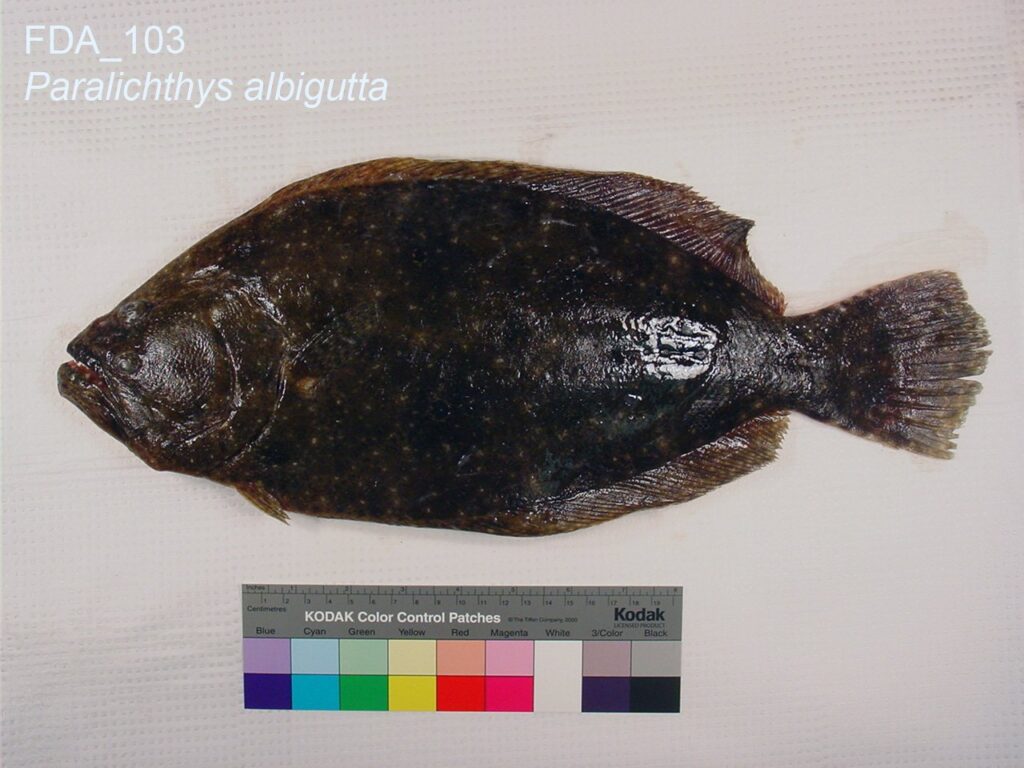
Look at the photograph on Florida’s flounder regulations page and it is easy to overlook the small line that matters most to a Sebastian angler in late November. The picture shows a Gulf flounder. The rule beneath it covers four kinds of flounder. A fish with a different set of spots on its back can still fall under precisely the same autumn harvest closure. Knowing how to tell the fish apart is rewarding. Knowing what the calendar says is the first thing to settle before putting a cooler on the boat.
The Florida Fish and Wildlife Conservation Commission’s recreational flounder regulations, checked November 28, 2026, list an annual closure from October 15 through November 30, inclusive. The dates apply in both state and federal waters off Florida. A fish encountered on the last afternoon of November is still inside that closed interval. Size does not create an exception. The species named on the page are Gulf, southern, summer and fringed flounder. The first word in Gulf flounder describes a fish, not a loophole for anglers on the Atlantic side of the state.
Learning to look at a fish lying sideways
A flatfish presents an odd problem to anyone who learned fish anatomy from a drawing of a bass. The surface facing you in a good flounder portrait is one side of the animal. During early development the right eye of a Gulf or southern flounder moves across to the left side. Later, resting on the bottom, the animal can look out with both eyes on its exposed side. Turn the picture so its mouth faces left or right and suddenly the arrangement makes more sense. A flounder is doing something different from a ray spreading itself along the sand.
This matters when you compare field-guide illustrations. Two photographs can show the same species turned in opposite directions on the page. Start by finding the head, then follow the lateral line toward the tail. From there, directions such as above the line and below the line have a precise meaning. A description such as a big spot near the corner of the picture has none. Learning a single anatomical landmark makes it possible to compare observations from different people, smartphones and generations of illustrated guides.
In the state’s Gulf flounder profile, three dark spots with the appearance of eyes form a triangle. One lies on the lateral line, one above it and one below. The fish can also carry numerous other flecks and blotches. The trick is to pick out three prominent, ringed-looking marks within the surrounding pattern. Counting every speck until you get to three will get you exactly the same answer on a great many unrelated fish.
What changes on the next species
The state’s southern flounder account describes darker marks that can number five or more. They lack the eyelike appearance of those on the Gulf flounder. Summer flounder enter the comparison because they can carry five or more eyelike spots. So the productive questions come in pairs. Are the marks simple blotches, or do they resemble eyes? Do the conspicuous marks make the three-point arrangement shown on the state’s Gulf flounder drawing? An impression of a generally spotty animal answers neither.
Consider a photograph of a fish lying partly beneath water darkened by disturbed sand. Two eye-shaped spots show clearly and a landing net crosses the area where a third might lie. Calling it a two-spotted fish would confuse the contents of the picture with the details on the animal. A more faithful entry in a notebook would be flounder, with two prominent spots visible. If a photograph already captures a good side view, examine it later. The animal gains nothing from being held longer while someone sorts out a tricky comparison.
The two fish also use overlapping kinds of water. The state describes Gulf flounder over sand or mud and in tidal creeks, with some found on nearshore rocky reefs. Southern flounder frequent estuaries and brackish bays and can range into fresher water. That makes a creek mouth an interesting place to observe them, but a poor basis for declaring a species. A flatfish recorded at the edge of the lagoon has told you where it was on one occasion. Its markings can tell you something about which fish made that choice.
What goes on the measuring board
Outside the annual closure, the state’s general recreational rule lists a minimum of fourteen inches total length and a daily bag limit of five per person. Recheck the page for any change, and look for the separate note if traveling to Biscayne National Park. A fish that looks substantial beside a shoe or a hand still lacks a reliable measurement. Lay out the measuring equipment before the trip and know which length standard the regulation calls for. Here it is total length. A remembered number without its measuring convention is only half a regulation.
Gear has its own line in the rules. In particular, FWC prohibits harvesting flounder using a multiple hook with live or dead natural bait, and prohibits snatching. There is little value in correctly recalling the bag limit if the method itself falls outside the rules. These questions are easily settled on shore while gear is still laid out. They become more awkward when another person is handling the boat and someone has to remember which item on a long regulations page applied to the fish alongside.
A local catch journal can put both kinds of information to work. On one line enter the date, area and identification as firmly or tentatively as the evidence permits. On another note the features that supported it. If a companion remembers the fish differently, those marks and the original photograph give you something concrete to discuss. Keep the regulations reference beside the trip date so a reader revisiting the entry next year knows which rules you checked.
Watch how the naming system works when you put the profiles side by side. Southern and Gulf are labels attached to species, while the closure is written for a place and for a list of animals. On this coast those are two different ways of sorting information. Keeping them in separate columns is a small habit with practical value.
Few coastal fish reward a long second look quite like a flounder. Three spots, a lateral line and two eyes on one side tell a story that can be read on a quiet evening long after the fish has gone. On a November trip out of Sebastian, a single date supplies the part of that story you need to know before leaving home.