The dinner that helped build Fellsmere’s Frog Leg Festival
How a children’s recreation fundraiser became a Fellsmere food tradition, and what the frog leg, gator and combination dinners have in common.
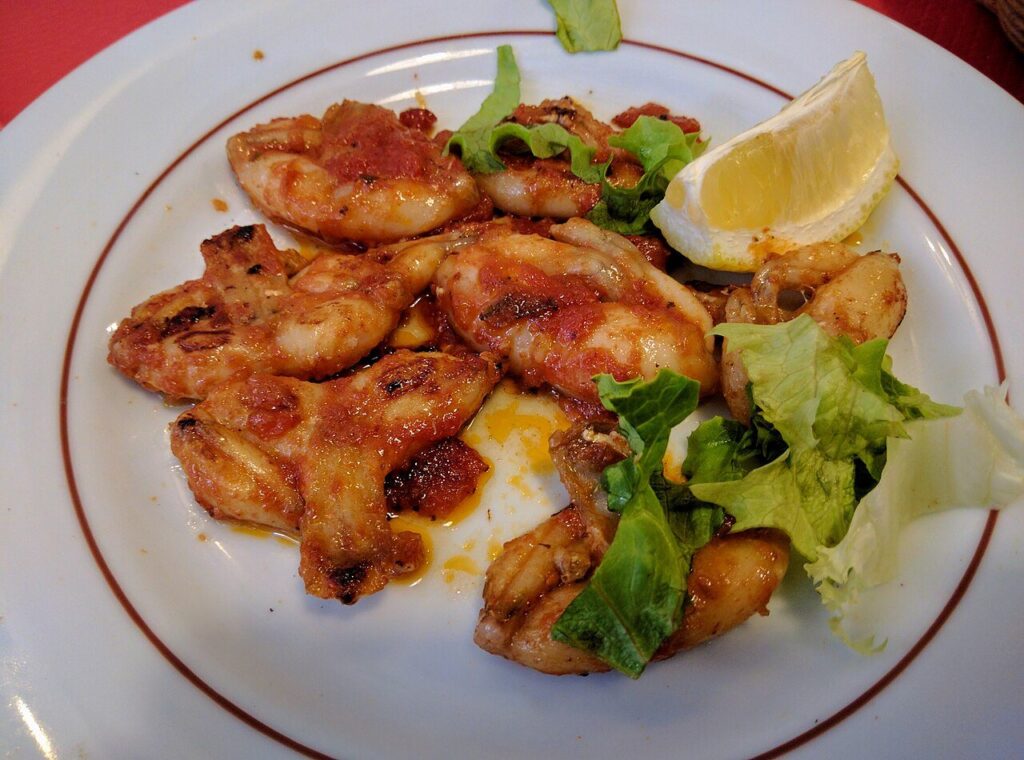
At the Fellsmere Frog Leg Festival, the most important word on the menu may be dinner. A frog leg draws attention because it is unusual to many visitors. A dinner is something people can prepare, sell in numbers and use to raise money for a purpose. The organizers’ account begins with a problem about children’s recreation funding. It led a group of residents to ask whether a food associated with the local marshes could persuade outsiders to come to Fellsmere. The continuing presence of a complete dinner on the menu makes the founding idea easy to recognize.
The festival’s own history dates those discussions to 1990. Members of the city’s recreation committee wanted a source of funds for local children. Organizers describe a first supply of about 400 pounds of frogs caught by local giggers. It proved inadequate. Volunteers went looking for more, knocking on doors and enlisting help when the first stock ran short. In the organization’s telling, a food chosen as a draw quickly became a problem of supply, labor and the capacity to serve the people who turned up.
What the dinner includes
The festival food page sets out three straightforward possibilities built around the signature ingredients. Visitors can choose a frog leg dinner, a gator tail dinner or a combination, with grits, coleslaw and hushpuppies among the signature accompaniments. The names tell you more about what to expect than a generic description of “Florida food.” They present a specific community’s festival meal, centered on fried items and supported by contrasting sides. It is a different proposition from a restaurant promising a sampling of every seafood tradition in the state.
For a first-timer going with a friend, decide before ordering whether the aim is comparison or a full serving of one item. The combination gives one person a way to try both. Two people ordering separate dinners may prefer to compare small portions at the table. A frog leg comes on a bone, and gator tail on a festival plate is a different eating experience. Comparing them bite for bite is less interesting than noticing how each fits with the sides. Coleslaw brings a cool contrast. Grits and hushpuppies offer two very different textures from a familiar grain tradition.
Why the sides belong in the story
The festival’s appeal is often reduced to the curiosity of eating an amphibian. But names that make headlines do only part of the work of feeding people. A plate needs ingredients that can be portioned consistently, served together and eaten at a table alongside people who may have arrived at different moments. A side with a spoonable texture, a crisp fried item and a cool vegetable side give the cook more ways to build a satisfying dinner than increasing the amount of the featured meat alone.
A visitor interested in how a festival kitchen works can watch the handoffs that are visible from the public side of the service area. Where are orders divided by dinner type? Which items are finished nearest the point of service? How does a group carrying several trays make room for the next group? None of this requires entering a food preparation area or distracting volunteers during a rush. It shifts attention from a dare about tasting something unfamiliar to the practical craft of feeding a crowd with limited time and space.
A school building became part of the operation
According to the festival’s history, rising attendance outgrew the original outdoor cooking arrangements. Organizers moved their operation into the basement of the Old Fellsmere School. The same account describes the restoration of the building with festival support and its uses for city administration, community space and the Boys & Girls Club. Those connections make the building something more than scenery for a weekend event. A visitor following the fundraiser’s purpose can see how a kitchen operation and a permanent community resource became intertwined.
Numbers from earlier festivals belong to particular times. The 400 pounds in the founding story describes a first attempt to estimate demand. Larger totals quoted by festival organizers describe the scale the operation eventually reached. Neither figure is a promise about how much food will be available on the day of your visit. Likewise, an account of local catching in the earliest year does not establish the source of every ingredient used today. Ask organizers a present-tense sourcing question if that part of the meal matters to you.
Plan around eating, not only arriving
The visitor questions page describes a tent with tables and chairs, parking arrangements and a weekend shuttle. It also identifies Saturday as a particularly busy day. Use the schedule and transport instructions for the particular edition you intend to attend. A family bringing a child or a relative who needs a seat should know how the group will move from the food counter to the eating area before several people are balancing trays. One person locating a table can make a larger difference than shaving a few minutes from the drive.
Someone in the group may be curious about the tradition without wanting to eat either featured meat. Check the current food listing and concessions for that person, and agree on a meeting point if people buy from different vendors. The main festival dinner and an independent concession purchase are not identical even if both happen on the same grounds. If your purpose is specifically to support the signature fundraiser, ask where the official dinners are sold. If your purpose is to accommodate a group, there is no need to turn one person’s curiosity into an obligation for everyone.
The best reason to travel inland from Vero Beach for this meal is the question that started it. How could a small community create something distinctive enough to draw visitors and useful enough to pay for recreation? The answer turned out to require frogs, but it also required sides, volunteers, a kitchen, people willing to discover what was on the plate, and eventually a school building with a second life. All those ingredients still make a much better dinner story than a comparison to chicken could ever manage.
For a child trying the meal for the first time, start with the historical question rather than the challenge of taking a bite. Let them identify which pieces on the tray could be served with another dinner. Then ask which item on the tray would bring a visitor all the way to Fellsmere. They have just reconstructed the organizers’ original calculation.