The Cuban sandwich on two Vero Beach menus
Read two Vero Beach versions of the Cuban sandwich alongside the Ybor City tradition, from mojo-roasted pork and smoked ham to bread, mustard and pickles.
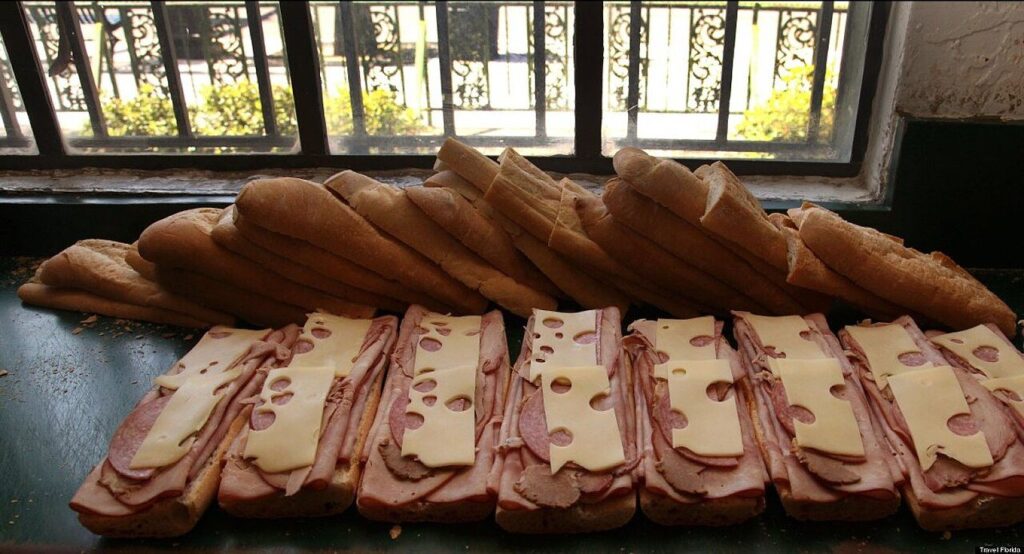
A Cuban sandwich is recognizable enough that diners often order it without consulting the description. Vero Beach gives them a reason to read the line beneath the name. The Wave Kitchen & Bar lists slow-roasted mojo pork on Cuban bread, while Seaside Grill names Cuban-seasoned pork, smoked ham and Dijon mustard. The sandwiches share a recognizable construction even as the kitchens make different details visible. Farther west, Tampa has made a formal case for including Genoa salami in its local version. Together those three descriptions reveal how much Florida history and individual kitchen judgment one sandwich can carry.
Two points on the Vero Beach oceanfront
The Seaside Grill menu places its Cuban in the handheld section with the burgers, fish sandwiches and wraps. It specifies pork, smoked ham, Swiss cheese, pickles, Dijon and Cuban bread. A diner looking at the list can see where contrast is coming from before taking a bite. Pork has a meaty role, the ham brings another texture, and the pickle introduces sharpness. Mustard is specified down to the style. That is already enough information to explain why choosing a sandwich with two kinds of pork is different from asking for a plain ham and cheese.
At Costa d’Este’s Wave Kitchen & Bar the published description identifies slow-roasted mojo pork, ham, Swiss, pickles and mustard on Cuban bread. The restaurant also uses Cuban ingredients and ideas elsewhere on the menu. Its ropa vieja and its approach to French toast are examples of a broader vocabulary at work. Someone who wants to explore that vocabulary can begin with a sandwich structure they already know, then see what happens to the same ingredients in other dishes. Confirm that the sandwich is being served at the meal time you plan to visit.
Why the bread matters
A Cuban sandwich asks a lot of its loaf. It must hold two meats and cheese while remaining easy to bite through. It must stand up to mustard and pickle without immediately losing structure. If a kitchen presses a sandwich, the crust and crumb must also respond to heat and pressure. Both Vero restaurants explicitly name Cuban bread, making it one of the most dependable points of common ground between the two descriptions. Ask how the sandwich is finished if a particular level of toast or crunch is important. A written list of ingredients rarely records every step at the grill.
Florida has a useful record of how seriously a community can take that bread. A City of Tampa proclamation honoring La Segunda Central Bakery links the loaf and sandwich with immigrant cigar workers and the growth of Ybor City. The city recounts the establishment of three bakeries in 1915, including La Segunda. A lunch built for workers had to be obtainable, portable and satisfying. A bakery that could produce the right loaf was part of the infrastructure of that meal, just as much as the counter where the fillings were assembled.
The Tampa visitor bureau includes Genoa salami and yellow mustard in its explanation of the local sandwich. Tampa’s city council recognized the Cuban as its official signature sandwich in 2012, as the University of South Florida recounts. That tells us something specific about Tampa’s civic and culinary identity. It also gives a Vero diner a concrete reason for noticing the absence of salami from the two local ingredient lists. A regional variation becomes easier to see when an actual place has put its own version into words.
What the pork and mustard tell a diner
Mojo in the Wave description puts the preparation of the roasted pork at the center of the sandwich. A reader might ask how the kitchen seasons and roasts it, especially if they are familiar with a family recipe that uses the same name. At Seaside, the explicit reference to smoked ham and Dijon gives the reader a different pair of details to follow. Try to distinguish the roast pork from the ham in a single bite. If all that registers is salt or mustard, take another bite from a different part of the sandwich before deciding which ingredient dominates.
The appeal of the pickle is easier to grasp when the sandwich is eaten alongside something plain. A crisp, sharp element can make the change from rich pork to cheese feel more vivid. This may sound fussy for a lunch that people traditionally ordered on a work break, but the test serves a practical purpose. Somebody choosing a side can decide whether they want more acidity, as in a dressed salad, or something that will leave the sandwich as the main source of sharp flavors. The Wave’s published menu offers choices alongside its sandwiches, giving guests that decision at the point of ordering.
A comparison worth taking to the table
For two friends who like discussing food, order according to appetite and divide only what each restaurant allows or serves comfortably. The point of comparison is not to award one restaurant the title of custodian of the Cuban sandwich. It is to learn which version fits the occasion. A visitor spending a day around the beach may want the relaxed setting of a grill. Someone visiting Costa d’Este may be particularly interested in the way the sandwich sits within a menu with a broader Cuban influence. The names on the plate will remain recognizable in either setting.
A customer with strong preferences should describe those in terms the kitchen can act on. Mention mustard, pickles, ham or cheese specifically. A request to make it the traditional way can mean substantially different things to a visitor who grew up near Tampa and another who grew up in South Florida. For any ingredient restriction, let staff explain how the food is prepared that day. A regional name can express a great deal of identity, yet it cannot substitute for a kitchen’s own description of a particular order.
Travel the distance from Ybor City’s bakery history to two Vero beachside menus and the basic outline still holds. There is bread built for the job, pork in more than one form, cheese and a sharp note to keep the filling lively. Along the way a town adds salami, another kitchen names its mojo and a beach grill specifies Dijon. Those details are what make a sandwich served across Florida feel particular to the counter where it is handed over.