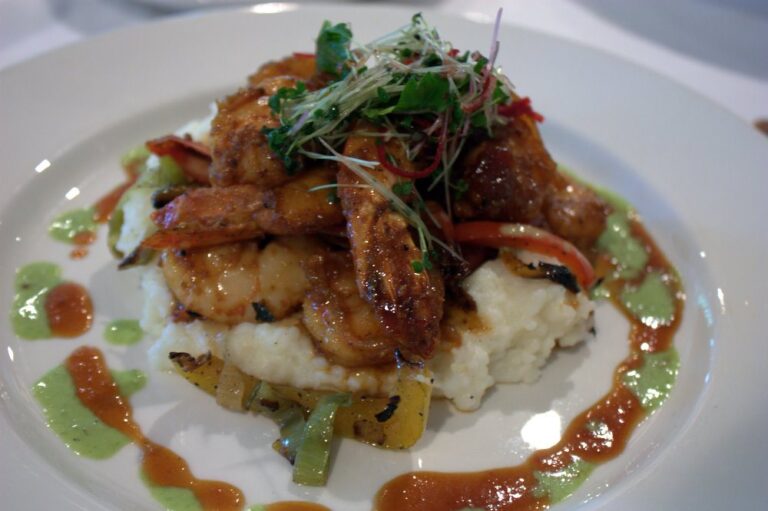
Lunch for a mixed table at Vero Beach’s Counter Culture
Counter Culture Beachside puts classic and plant-based cooking on one Vero Beach menu. Read its sandwich descriptions and plan a lunch that works for a mixed table.
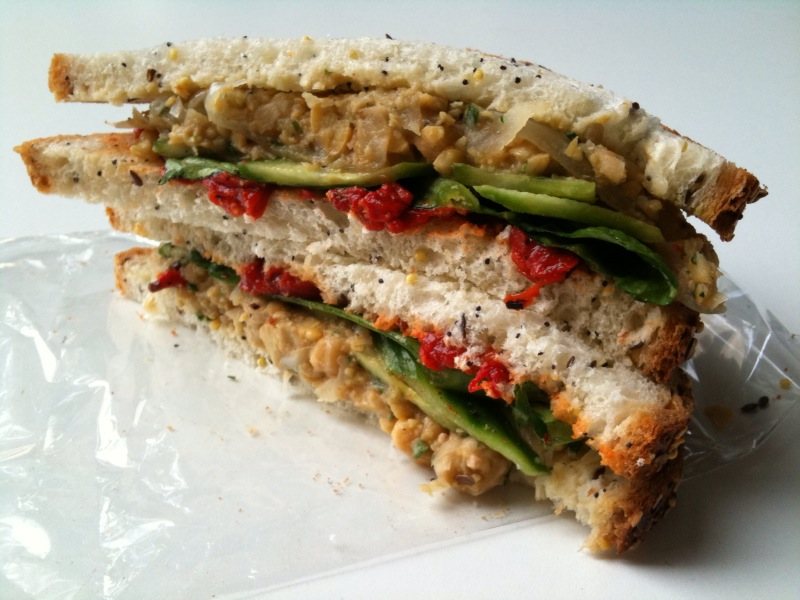
Choosing lunch for a group can expose an odd habit in the way restaurant recommendations work. Someone asks where the vegetarians can eat, someone else insists on a chicken sandwich and soon the whole conversation is about who must compromise. At Counter Culture Beachside in Vero Beach, chefs Anthony and Lisa Damiano describe a kitchen designed around both classic and plant-based choices. That makes the small question of what to order a useful way to look at a larger one. What does it take for people who eat differently to share a lunch without making one guest an afterthought?
The restaurant’s introduction makes a specific claim about offering choice and describes its cooking as primarily organic. Its location page places the beachside restaurant at 3225 Cardinal Drive and gives its lunch service information. Those details already settle two practical questions. This is a named restaurant on an identifiable street, and lunch is the service around which to make the plan. The address “beachside” describes a part of the city and should not be taken as a promise of oceanfront seating.
Read beyond the heading on the menu
A category title is a convenient shortcut, but a dish description tells you much more. The restaurant links to an ordering page that describes two very different chicken sandwiches. One combines a chicken salad with grapes and crunchy vegetables on cranberry-walnut bread. Another, the Pollo Damiano, brings grilled chicken together with roasted vegetables, pesto and burrata on ciabatta. They share a central protein and probably appeal to different people. One foregrounds contrast between sweet fruit and a creamy filling. The other builds around grilled and roasted elements.
That comparison shows why asking “Do they have chicken?” only gets part of the way to choosing lunch. Someone who wants a crisp vegetable bite in every mouthful may find the first idea appealing. Someone who wants the contrast of warm meat, roasted vegetables and a soft cheese may prefer the second. The choice is about texture, temperature and composition as well as the identity of the protein. The same questions are worth asking about a plant-based dish. A vegetable plate can be substantial, or light, or crunchy, or saucy. Those are different lunch experiences.
Discuss the parts people actually care about
A useful invitation to a mixed group would include the current restaurant menu with the location and intended time. Let each person look for an actual dish they would like to eat. Getting agreement in principle that everyone “can find something” gives less information than hearing two or three specific orders. One diner may be delighted with a salad, while another wants a more filling sandwich. Someone might accept dairy at lunch but avoid it in a shared dish intended for the whole table.
Plant-based, vegetarian, vegan, organic and locally sourced are terms that answer different questions. A dish built mainly around vegetables may still have dairy in a dressing or cheese in a topping. The description “primarily organic” at the business level is not a detailed certification statement about each ingredient on every plate. A person with a strict dietary requirement should ask the kitchen about the precise dish and preparation. A person who simply wants a plant-forward meal may be perfectly happy choosing by ingredients and flavor without needing to investigate further.
A shared side can be easier than a shared main
The ordering page also describes baked tater tots. That small detail illustrates how a familiar name can conceal a useful distinction about preparation. A group that wants to share an extra item can begin with a straightforward question about how the kitchen makes it and whether it suits everyone. Changing one shared side is often simpler than trying to modify several distinct entrées until the entire table eats the same combination. A lunch invitation need not require agreement on every ingredient.
For a mixed table, make any request as specific as possible. Asking whether a sauce contains dairy is clearer than requesting “something different.” Asking whether the kitchen can leave a topping off is clearer than assuming the posted item is available in every imaginable version. A successful substitution changes something the kitchen actually has the ability to change while keeping the dish coherent. If the important ingredient is built into the bread or premixed filling, moving to a different dish may be both easier and more enjoyable than a long series of omissions.
Choose the right format for the occasion
The restaurant’s ordering page distinguishes pickup and delivery and displays the address. Verify the location and order details when choosing an online option. If the group will eat together on site, ordering individually through an app may be a different service from placing a table order. If the plan is takeaway, think about the time between collection and eating. A dressed salad, a grilled filling and a soft sandwich do not necessarily travel the same way. Asking for dressing separately can be more important for a picnic than for lunch at a table.
For a work lunch, settle the practicalities before people start customizing. Decide who is collecting the order, how names should appear on the bags and where the group will meet. Send the current menu rather than a screenshot from a previous season. For an informal lunch with visiting family, leave more room for questions at the counter. The restaurant’s dual approach makes most sense when people feel free to pick what they actually want. Requiring the whole table to split everything can recreate the very problem a flexible menu was meant to solve.
The larger point is that food preferences are often much more specific than broad labels suggest. The person who asked for chicken may actually have been looking for a hearty sandwich with warm vegetables. The person who asked for a vegetarian option may care most about whether the plate feels complete. A menu that describes what its kitchen does with bread, greens, cheese, roasted vegetables and sauces gives those two people more common ground than a checklist ever could. That is a good reason to read the details before making the next beachside lunch reservation.
The two named chicken sandwiches make good examples for home cooks, too. Put the contrast in a different place each time. Fruit can be in the filling or in the bread. Greens can provide structure or a fresh finish. A whole menu becomes easier to navigate when you start looking for decisions about texture as well as familiar ingredients.