The small door that keeps a terrapin out of a blue crab trap
What a rectangular trap opening does for diamondback terrapins, how to inspect older recreational crab gear and where Florida’s other trap rules apply.
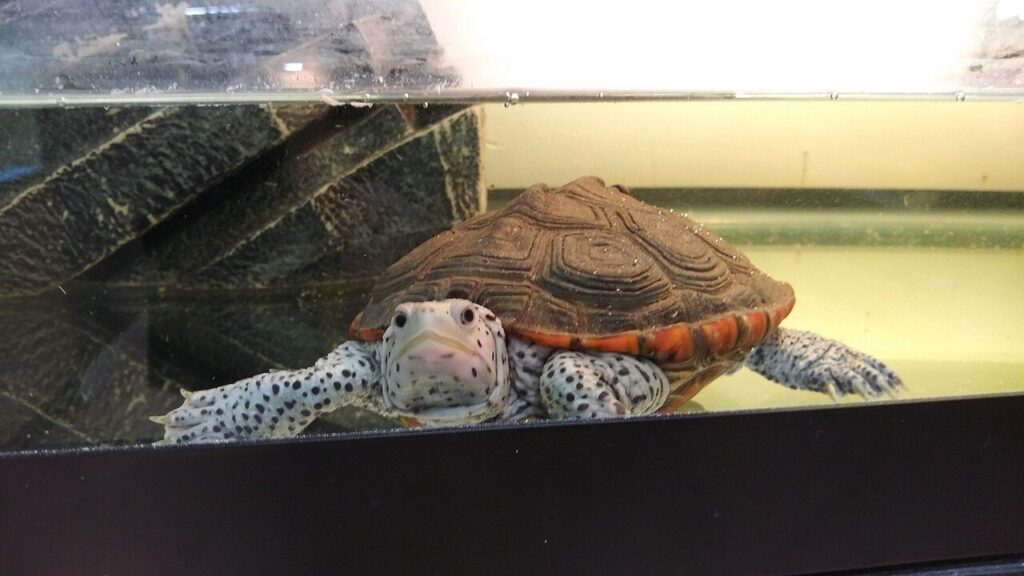
Of all the checks to make on a secondhand blue crab trap, one of the most consequential takes place at the narrowest part of its door. An opening that looks modest to a person can admit a small turtle. A box that seems full of water and therefore perfectly suitable for a water turtle can turn deadly when the animal cannot get back to the surface for air. Along estuaries such as the Indian River Lagoon, the intended catch and the unintended visitor have good reasons to turn up in the same habitat.
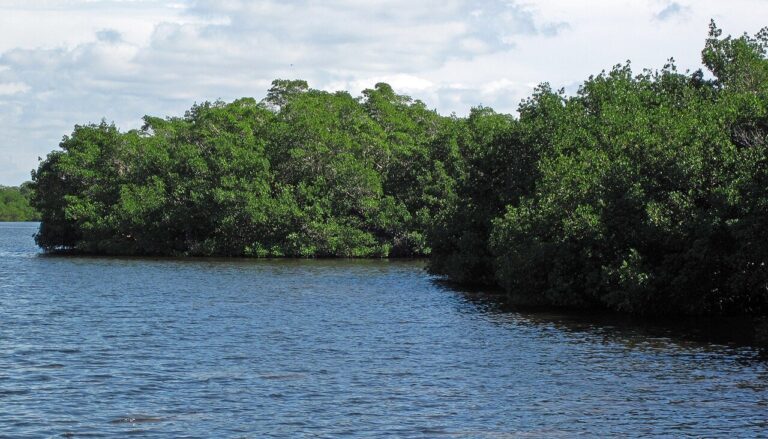
The turtle is the diamondback terrapin. It lives along brackish coasts, using salt marshes, tidal creeks and mangrove edges. Blue crabs use many of those places too. Florida researchers identify drowning in crab gear as a threat to terrapins. The recreational trap rule that took effect in March 2023 deals with that problem at the point of entry. Understanding that single design choice helps explain three other features on a crab trap that can look almost interchangeable from the other side of the dock.
Start on the outside and work inward
The Florida Fish and Wildlife Conservation Commission requires rigid recreational blue crab trap throats no more than two inches high by six inches wide at their narrowest point. The state’s explanation of the terrapin rule also describes fitting an existing trap with a rigid bycatch reduction device of the specified dimensions. Height, width and rigidity all matter. A flexible opening that can be pressed into an apparently suitable shape for a measurement presents a different obstacle to an animal trying to squeeze through it.
Follow the funnel inward with your eyes. The dimensions apply to the narrowest passage. Measuring the broad outer mouth would say little about the opening a crab actually passes through. Check each entrance on the trap you intend to fish, including the one that is awkward to see when the box is sitting against a wall. With used gear, one door may have been repaired or replaced at a different time from the others. A match on the first side cannot certify the second.
The practical advantage of a rigid restriction is that it works before the turtle enters. A harvester who intends to check gear conscientiously may still miss the interval in which a terrapin needs air. Good intentions after setting the trap do a different job from excluding the animal in the first place. That is why the state’s language describes the design of the passage itself and why a good-looking buoy, clean wire or new piece of bait tells you nothing about whether the entrance complies.
Three openings serve three purposes
Look farther around the box and you may notice round escape rings. Consult FWC’s current recreational blue crab page for their dimensions and layout. A ring is a way out. It cannot replace the rectangular restriction at the entrance. The third feature is a degradable panel. Its purpose becomes especially clear if you imagine a line parting and the gear continuing to sit on the bottom long after anyone knows where it is. A means of opening up the box over time addresses a different part of the trap’s life.
If a seller points out a large panel in the side, ask which function it performs. A door for the human who empties the trap, an opening intended for an animal and a section designed to degrade are not answers to the same question. An inherited trap might have been perfectly ordinary when it was bought and still need work to meet the current specifications. Look up the state’s diagram at the time you plan to use it. The easiest place to sort out the parts is at a workbench with the page open.
What scientists could learn without losing turtles
FWC’s terrapin and crab trap study describes a modification made for research. Scientists gave their study traps an air space at the top so that a terrapin entering a trap could breathe. They then set traps at six distances from shore to investigate how capture rates vary. The modification let the team examine a serious threat without deliberately reproducing its fatal outcome. It was an experimental arrangement, distinct from the exclusion requirement for recreational gear.
That research design helps make sense of claims about risk. Catching fewer turtles at one distance from shore on one set of sampling dates would tell scientists something about those conditions. It would not establish a universal safe distance for a trap on another stretch of Florida coast. The agency also describes plans to combine distribution information and fishing activity to identify areas of overlap. A map of where turtles live and a map of where traps are used answer more together than either can answer alone. A person’s single empty trap is a much smaller body of evidence.
Before the first set
Florida requires annual registration for recreational blue crab traps, with the unique registration number carried forward. The gear page explains the markings required on the trap and buoy. That makes a used trap’s label another thing to examine carefully. The previous owner’s number is evidence that someone once registered gear. It is not a registration for the person now setting it. Check the provisions on trap numbers, daylight retrieval, regional closures and marked navigation channels alongside the design diagram. No map of an attractive mangrove edge can settle all four questions.
There is a quieter payoff to knowing what the hardware does. A child or first-time visitor looking into an empty trap can follow the small journey a crab makes through its entrance. Turn the box around and explain why a different animal should never have to make that same journey. The rigid throat, escape rings and degradable panel become visible solutions to separate problems. Once you can distinguish them, it is much harder to look at a box with a missing part and decide that it is close enough.
The distinction matters when buying replacement parts. A packet labeled escape rings may meet the specifications for those rings and still leave an overlarge entrance untouched. Bring the trap measurements and the state diagram when choosing a repair. Naming the part correctly at the counter is one inexpensive way to avoid discovering the mismatch back at the water.
A blue crab supper begins long before anyone boils water. In a Florida estuary, it begins with the shape of a door and a moment on land spent making sure the door will do exactly what the animals on either side need it to do.