Why the release line goes over the side off Fort Pierce
A guide to reef fish barotrauma, Florida’s gear rules and the South Atlantic descending device requirement for boats heading offshore from Fort Pierce.
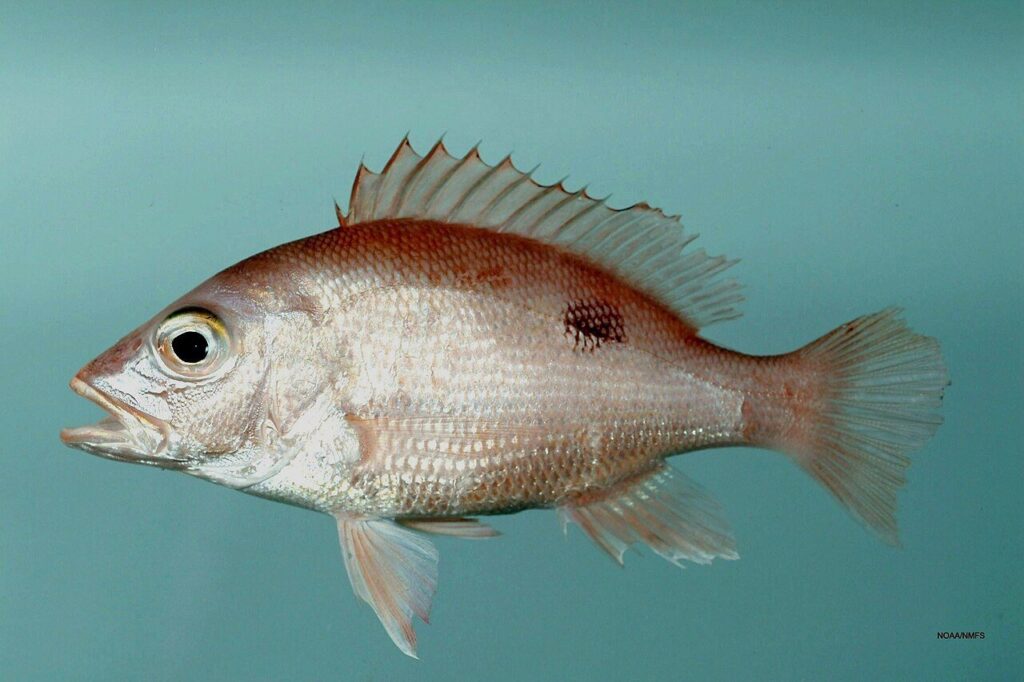
There is one more fishing line to think about before a boat goes offshore from Fort Pierce. It may never have a baited hook on it. Its job begins after a fish that must go back has already reached the boat. A reef fish that comes up quickly from depth can have trouble making the return trip unaided. For that animal, letting go of the fish at the surface and returning it to the water it came from are quite different events.
That difference is written into South Atlantic fishing rules. For vessels fishing for or possessing species in the federal snapper grouper fishery, a descending device must be ready to use. The South Atlantic Fishery Management Council’s gear guide describes what ready means. The device is attached to at least sixteen ounces of weight and sixty feet of line. In its unopened packet at the bottom of a tackle bag, a perfectly good piece of equipment is still a long way from helping a fish over the side.
Why some fish stay at the surface
Water pressure is greater at depth. Gases within a fish expand as it rises into lower pressure. A fish brought up rapidly may show a swollen abdomen, bulging eyes or internal tissue projecting from its mouth. It can have difficulty swimming down, even if it appears active on deck. The collective name for injuries associated with that change in pressure is barotrauma. Looking strong enough to splash and being able to overcome buoyancy all the way back to depth are separate tests.
This explains a puzzling result that anyone on the boat can understand. A fish beats its tail when someone puts it overboard, then remains on its side at the surface. A person watching the initial splash might have recorded the event as a successful release and turned away. Someone watching ten seconds longer would have written a different story. Neither observation by itself measures the fish’s long-term survival. But the second one shows why the first few feet matter so much.
A descending device provides a way to take a fish back into greater pressure. It can attach to the fish temporarily and release it underwater. The council illustrates several styles because the designs work differently. A photograph of one on a manufacturer’s website cannot show how quickly a crew member can locate it, whether there is a line already on it or whether that line can actually run over the side. Those are boat-specific questions with answers best found while the deck is quiet.
Distinguish the three numbers on the boat
Weight on a device, available line length and actual depth of water describe three different things. The federal readiness rule gives minimum figures for the first two. It does not turn every reef off the Treasure Coast into sixty feet of water or make sixteen ounces a practical load for every fish. A fish caught considerably deeper presents a different situation from one brought up in shallower water. Look through the relevant council guidance and the instructions for the particular device before choosing a setup for the intended fishing area.
The council also describes a separate dehooking requirement. A dehooker assists with getting a hook out while minimizing injury. It does not lower a buoyant fish. In the opposite direction, a weight and release tool may get a fish down but do nothing to remove an embedded hook. Anglers familiar with keeping a pair of pliers close at hand sometimes combine all three operations into one vaguely remembered job. Think in sequence instead. What comes off the fish at the boat, what attaches for the descent and what releases down below?
That sequence is worth talking through with a guest. A visitor holding a phone may assume a fish is going to be held up until everyone gets a photo. The person who knows the release rig may be at the other end of the boat. Agreeing in advance about who takes care of the fish makes it easier to give up a picture without sacrificing time to a debate. A release can be the intended outcome of the catch from the moment the fish comes into view.
Check the right set of rules
Off Fort Pierce, a trip can start in an inlet and extend into different management waters. Florida’s recreational reef fish gear page sets out state requirements and points anglers to federal rules. Open the Atlantic entry for the actual fishery and location. A description written for the Gulf can look reassuringly familiar while covering different waters and requirements. A captain’s recollection from a past trip out of another port is a useful prompt to look something up, not the rule for the next trip.
The council distinguishes gear requirements by fishery and, in the case of certain hook provisions, by latitude and use of natural bait. The small print is relevant even to an angler who always releases unwanted fish. Write down the target species and the waters intended for the day, then compare the actual plans with the current guidance. That leaves less room for confusion than asking whether Florida generally requires a certain device. Every boat leaving the inlet is in Florida at some point on its trip. That alone does not answer the fishing question.
What belongs in a release note
A useful trip note can be brief. Record the species if known, the approximate capture depth, visible signs of barotrauma, the release method and what the crew actually observed. If the fish descended on a device and released below the surface, say so. Its subsequent survival may be unknown. If something went wrong with the line, record that too. A note about tangled line or an awkward attachment is better preparation for next time than a list of the gear that was supposedly on board.
The release note can also record what the crew learned about its division of labor. On a small boat one person may have to put down a rod to help the person working the device. Catching that detail on the first drift leaves the next crew with a workable sequence instead of a photograph of equipment nobody could reach in time.
For friends aboard a private boat, a simple question at the dock gets the conversation started. If the first fish that comes up has to go straight back, where is the release line? A hand reaching immediately toward a ready device supplies a better answer than a discussion about equipment in the abstract. On this part of the Atlantic coast, planning the way down is a routine part of planning a trip out.