See Archie Carr’s turtle coast in daylight at the Barrier Island Center
A daytime visit north of Sebastian Inlet connects sea turtle research, a dune-to-lagoon walk and the beach habits that protect Archie Carr’s nesting coast.
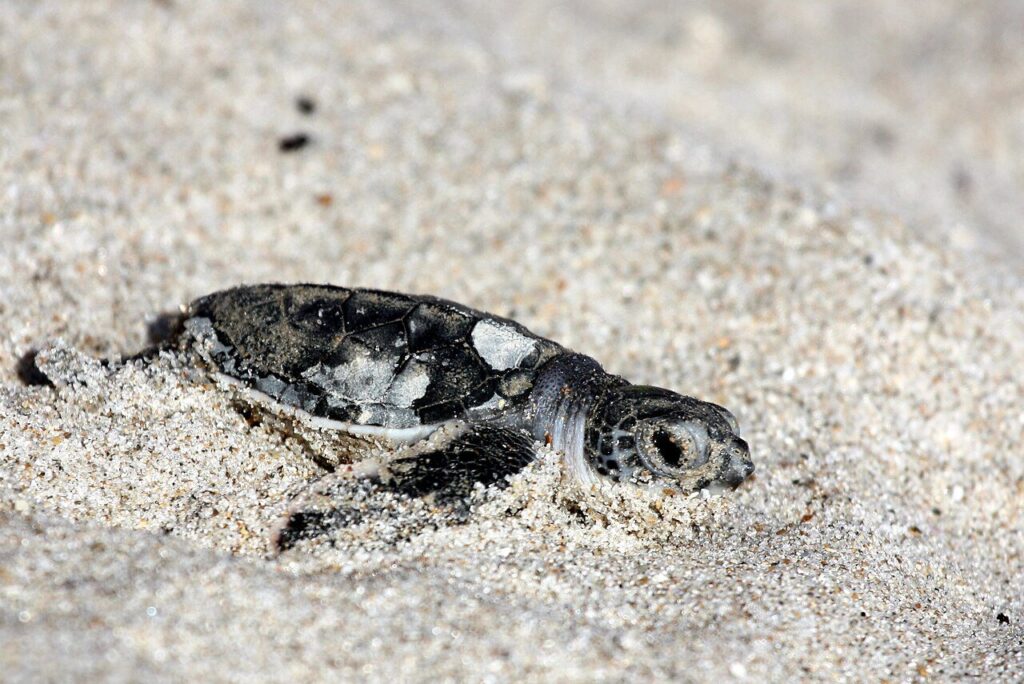
You can spend a memorable day on Florida’s sea turtle coast without seeing a turtle. Just north of Sebastian Inlet, the Barrier Island Center turns that apparent disappointment into the point of the visit. A turtle can use the ocean beach for a small part of its life and disappear from a visitor’s view for the rest. The tracks can be gone, the tide can have changed and the animals can be offshore. The stretch of land between the ocean and lagoon still has a story to tell.
Put the center in the right place
Archie Carr National Wildlife Refuge and Brevard County’s Doc Ehrhart Sanctuary describe overlapping parts of this story. The county sanctuary page identifies the Barrier Island Center as the public education center for the refuge and describes the sanctuary’s 34 acres. Use the center’s visitor information when choosing your destination. A federal refuge can include several parcels, and the address associated with refuge administration does not necessarily lead a driver to the exhibits they promised the family.
Think about which part of the visit matters most before choosing a day. The indoor galleries and an ocean overlook make sense for a short visit or a group that wants time out of the sun. A group interested in the barrier island as a landscape will want time for the walk as well. A scheduled program is a third kind of visit, with its own availability. Check the current hours and program details on the center and refuge pages. A trail being open does not tell you that an indoor exhibit or staffed program is available.
Meet the scientist behind the sanctuary name
Brevard County renamed the sanctuary for Dr. Llewellyn “Doc” Ehrhart in April 2025. The county credits Ehrhart and his team with more than fifty years of collecting nesting data, work that helped make the case for protecting this section of coastline. It is worth spending a moment on the team and on that span of time. A photograph can show a turtle was present. Repeated observations collected by many people over decades can show how much a section of beach matters, including during years when an individual visitor happens to see very little.
A simple exercise for children is to imagine having just one summer’s field notes. Could those notes tell you whether this beach has always been important? What if some nights were missed? Now imagine the same stretch observed again and again with a record of where people looked. You still have questions, but they become questions you can investigate. That distinction makes the people walking the beach with notebooks as important to the refuge story as the striking photographs that tend to accompany it.
Look at the ocean side before crossing the island
The Fish and Wildlife Service visitor guide identifies interactive exhibits, nature films and an accessible ocean-view boardwalk. At the overlook, look along the beach as well as straight out to sea. From this angle the narrow strip of sand can appear continuous for a considerable distance. Look inland and its width is finite. Nesting animals arrive from one side, while paths, lights and the things people carry to the beach generally come from the other.
Ask each person to pick one feature visible from the established public viewpoint. It might be a dune line, an access path or the division between wet and dry sand. Try to describe the feature in a sentence that someone at home could draw. The exercise encourages close looking while keeping everyone on the public route. Roped sections and protected dunes are easy to avoid when the family has a shared task at the overlook. A sketch can register changes in slope and distance that the camera on a phone flattens.
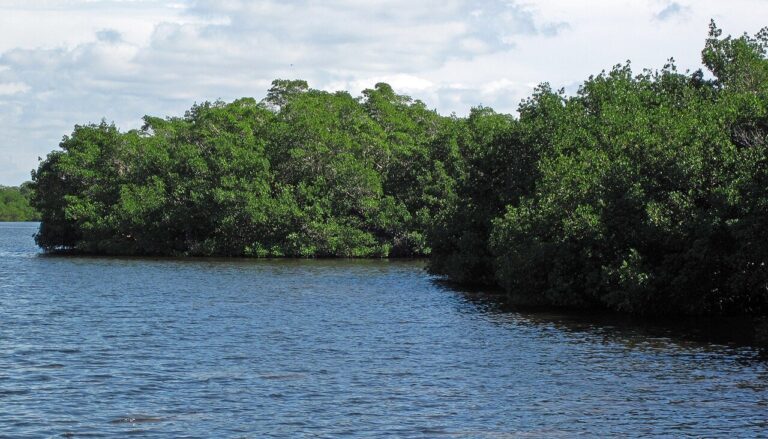
The county describes a roughly mile-long nature trail stretching from dune to lagoon. If you walk it, look for changes in the vegetation and in how much direct light reaches the ground. Where does the ocean disappear from view? Where can you begin to see signs of the other body of water? Carry those observations back to the exhibits. The place where land narrows between two bodies of water is also a place where walking a short distance can change the habitat around you considerably.
A turtle walk has its own rules
For a visitor who specifically hopes to see a nesting turtle, the refuge describes organized nighttime walks through Friends of the Carr Refuge during nesting season. Its program listing explains the educational presentation and the opportunity for a supervised viewing. Treat the listing as a route to the organizer and check the season, reservation procedure and instructions directly. Wildlife can decline the appointment. A family that has already made a good daylight visit is in a better position to enjoy a program even if conditions change.
The state’s guidance for encountering a sea turtle asks visitors to avoid flashlights, flash photography and video equipment around nesting turtles and hatchlings. Decide what to do with phones before an encounter. Someone reaching for a camera in the dark can activate a light without intending to. If you happen upon a turtle, give it space and use the state guidance rather than inviting other people over for a look. For a stranded animal, disoriented hatchlings or disturbance, use FWC’s reporting instructions.
There is a daytime action that requires neither special equipment nor an appointment. Before leaving the beach, take chairs, toys and other belongings with you, fill holes your group dug, and remove the litter you brought. FWC includes these actions in its guidance for beachgoers. Walk back along the patch your group occupied and let the youngest visitor do the final inspection. The day ends with an achievable piece of stewardship instead of a search for an animal whose best interest may be served by remaining entirely out of sight.
On the way home, ask what evidence convinced the group that this place matters. Perhaps it was the long history of observations, the narrowness of the island or the fact that so many everyday decisions made inland of the waterline affect what happens on the beach. Those are things you can return to in any season. The center’s lasting gift to a visitor is a way of reading a familiar piece of coast long after the chance for that one remarkable photograph has passed.