A Fort Pierce ranch sells beef from a former cowboys’ house
Adams Ranch connects Fort Pierce’s cattle country to the family kitchen through a public beef store in a former ranch house. Here is how to shop it.
Fort Pierce has a waterfront that is easy for a visitor to find and a cattle industry that can be much harder to picture. One place where the two versions of Florida begin to occupy the same mental map is the Adams Ranch beef store. The retail operation describes its home as a Florida cracker house from the 1940s, once used to lodge working cowboys. What had been accommodation for the people raising the cattle became a place for the public to buy beef. That is a considerable change of use for a small building, and a useful door into the history of a local dinner.
A family name on both the herd and the package
The ranch’s own account dates its founding to 1937 and its headquarters to Fort Pierce. It identifies operations in St. Lucie, Okeechobee, Osceola and Madison counties. The geography matters. A company based in a coast city can depend on pasture across a much wider part of Florida. A label with Fort Pierce on it connects the buyer to a particular ranching business. It is also a reminder that an animal’s life covers stages and terrain that cannot be reconstructed from the few words on a package of steaks.
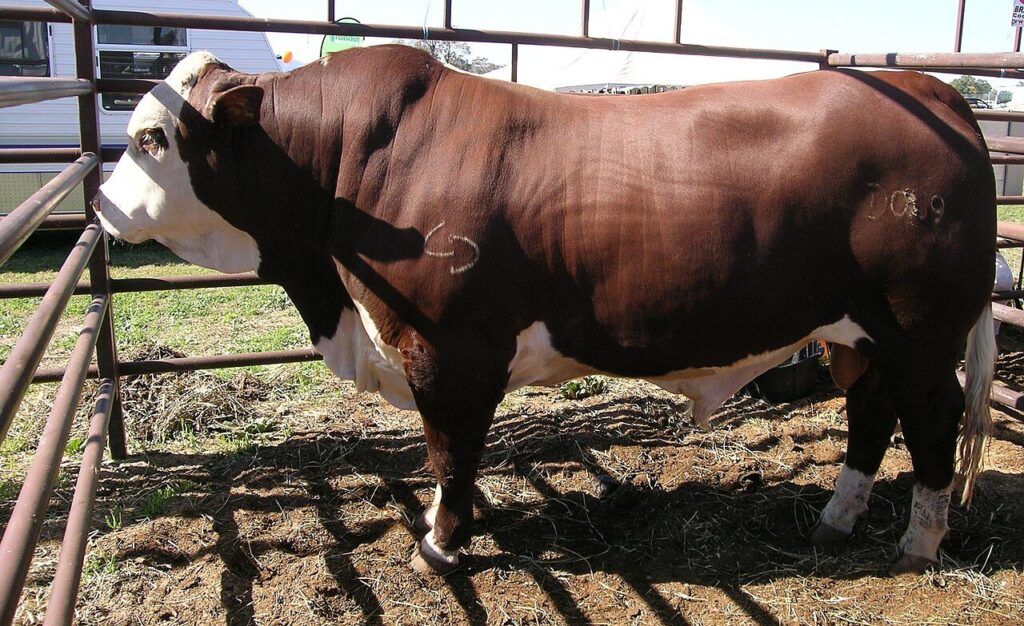
Adams describes itself as a cow-calf operation and identifies its role in developing Braford cattle. A cow-calf ranch maintains breeding animals and raises the calves they produce. Think of this as a different question from what piece of beef to put on a grill. A rancher making breeding decisions must consider what animals will do over time in a particular environment. A home cook is dealing with the properties of a particular muscle today. Connecting the two without collapsing them into one is a better starting point for a conversation at the store.
For a shopper used to supermarket display cases, the ranch name may be the most unfamiliar part of the purchase. A person can buy the same named cut from several places and still have a different story to tell about it. Ask which products are offered under the Adams name, how they are sold and how the shop describes its production practices. The ranch publishes its own claims about raising cattle on open pasture. A question about a particular package or label is often more productive than assuming that every word associated with ranching means precisely the same thing.
Visit the former lodging with a cook’s question
The ranch store describes retail beef alongside handcrafted goods, branded items and other products it selects. The old house gives visitors an immediate sense of the place, but a working ranch also has its own schedule. Check the store’s current hours, directions and stock before making a dedicated trip west. The Florida Cattlemen’s Association directory lists Adams among operations selling to the public and specifically advises customers to contact producers about availability. That has real consequences when several relatives are hoping to buy the same cut for a holiday meal.
A more useful opening question than what is best is what needs to happen at the stove. Say how many people you are feeding, how much time you can give a dish and whether you plan to braise, grill or cook in a skillet. For a pot of beef meant to simmer while the household is busy, rich connective tissue may be just what the cook wants. For a quick meal after work, a different cut and portion size can matter more than the pedigree of the recipe. Allow the answer to depend on what the store actually has.
Ground beef offers another way to explore a new producer. It is familiar enough that a family can compare it in a dish it already cooks confidently. Use a recipe normally made at home, whether that means burgers, meatballs or a pot of chili, and keep the other ingredients about the same. A new seasoning mixture, a different pan and an unfamiliar cooking method would introduce three more variables. Remember the weight of the package and how many people it served. That information will be useful on the next trip regardless of what the household decides about flavor.
Know which part of the ranch business you are visiting
A cattle sale and a retail beef purchase can appear on the same ranch website. They serve very different customers. A breeding animal matters to the future of a herd, while a box of beef matters to the cook who has reserved space in the freezer. Read the headings before following directions or making travel plans. If the purpose of the visit is a family meal, use the store’s published information. If it is an agricultural event or cattle sale, the organizer’s event instructions determine the venue, date and access.
That distinction became particularly visible in 2026, when the ranch announced that severe flooding had changed arrangements for its annual bull sale. The notice discussed animals, sale locations and arrangements linking Fort Pierce with Chiefland. It was news about an agricultural business responding to conditions in the field. It did not, on its own, describe which cuts a visitor could buy at the retail shop. A working ranch can have several activities running on separate calendars, all under a familiar family name.
For a group on a short Fort Pierce visit, make room for the homeward journey as well. A cooler, a clear plan for refrigerating the purchase and a meal close enough on the calendar to enjoy it help turn a store visit into an actual supper. A traveler staying in a room without cooking facilities might prefer to visit at the end of the trip or choose a nonperishable item from the shop. Local food makes a better souvenir when the buyer has thought about the kitchen at the other end.
The old house is a fitting place for these questions. It once served people who needed to sleep near their work. Today it allows another set of people to think about where their food comes from, how they want to prepare it and what ranching has to do with a city known for boats and beaches. A package bought in Fort Pierce carries a short distance to the car and a much longer history to the table.