Before the tub of fish dip, there was a Jensen Beach smokehouse
A Jensen Beach smokehouse still works with local hardwood and open racks. Its fillets, dips and customer-catch service tell different parts of the story.
At Mrs. Peters Smokehouse in Jensen Beach, an angler can bring in a catch to be smoked. Somebody without a boat can buy a fillet, eat lunch or go home with a prepared dip. Those choices represent three different points in the same trade. One customer arrives with a perishable ingredient, another takes home a finished piece of fish, and a third wants something to spread on a cracker. The distinction matters because the name on a tub in a refrigerator case has a local history that began on a dock, long before it became a grocery purchase.
From fish cleaning to open racks
According to the company’s history, Mrs. Peters began cleaning fish on Miami’s docks in 1914. The account places her at a smokehouse by 1931 and connects her nickname, Smokehouse Sally, with the fishermen who brought her their catches. Martin County’s tourism office picks up the story in Jensen Beach, where Sally and Bill Peters settled by the St. Lucie River and built a smokehouse. The names and addresses changed over the course of that life, but the work remained recognizable: make something useful out of the fish brought ashore.
That is a more revealing starting point than the familiar question of which dip tastes best. A smokehouse exists because fresh catches arrive in quantities and at times that do not necessarily match when people want to eat them. Smoking changes a fillet’s character and gives its maker another product to sell. Grinding or flaking fish into a spread changes it again. At a gathering, a guest can sample a small amount without committing to a whole fillet. For a family coming off the water, the chance to have its own fish prepared is personal in another way.
The smokehouse counter and the grocery shelf
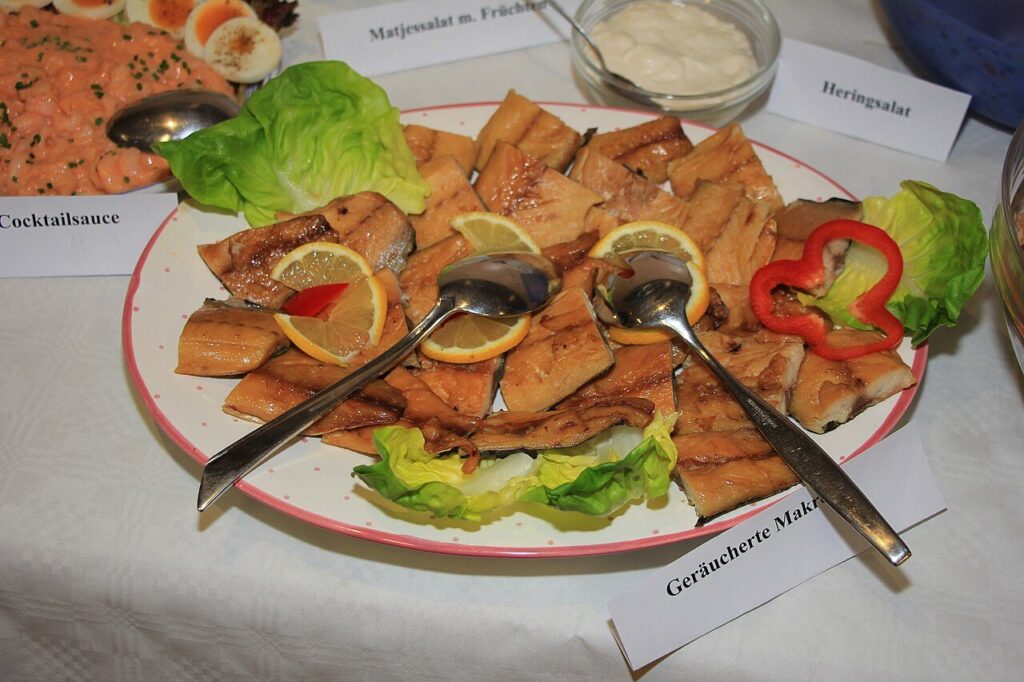
The Jensen Beach shop lists smoked fish and meats alongside its dips. Its examples of fish include wahoo, kingfish, mahi and salmon. There are also different seasonings. Start with the question of what form you want to eat. A piece of smoked fish leaves the flakes, shape and texture in plain view. A dip lets the maker distribute the fish and seasoning through each spoonful. The person choosing a picnic lunch can use that distinction to pick the rest of the meal, from crackers to bread to something crisp to serve alongside it.
The product directory names dips built around seafood as different as wahoo, blue crab, swordfish and ahi tuna. It also distinguishes mahi from its more pointedly named Hot Ta Mahi. If two tubs are going to the same table, pick a pair with a purpose. Comparing two versions of mahi isolates seasoning more effectively than comparing a mahi spread to a crab dip. Comparing two different species instead gives guests a reason to read the labels and look for differences in texture. Neither comparison needs an elaborate tasting vocabulary.
A useful detail appears beneath the company’s account of sourcing. It describes working with wild-caught fish and separately identifies its salmon as farm raised. That is the sort of specificity a general description of Florida seafood can overlook. A business can be thoroughly rooted in a fishing town and still source different species in different ways. Someone looking for the story behind an individual product can ask about that fish and that batch. The address of the smokehouse establishes where the business works. An ingredient label and the producer can answer the more specific questions.
A lunch for people who want different things
A group visiting the counter might include an angler with strong opinions about kingfish, someone who normally orders salmon and a visitor who has never eaten smoked fish. Give each a way into the meal. Start with one clearly labeled spread and a piece of fish if the day’s selection permits. Put the crackers and any strongly flavored accompaniments on the side. A newcomer can taste a small amount and decide how much smoke or spice they prefer, while somebody familiar with the fish can compare the prepared spread with the flaked fillet.
For visitors bringing food to a gathering, preserve the information that came with it. Keep the original containers or photograph the ingredient labels, and use a separate serving utensil for each spread. Smoke, seafood, dairy and other ingredients do different jobs in different recipes. A name like Mermaid says less about what is inside than a label does. If the food will spend time away from a refrigerator, ask the shop about cold transport and choose a pickup time close to the gathering. That little piece of planning is especially useful after a long day on Hutchinson Island.
Bring-your-catch service means making a call first
The shop advertises a service for customers who bring their own fresh catch. A person hoping to use it should describe the fish, quantity and intended pickup date directly to the smokehouse before heading to Northeast Dixie Highway. Ask how the shop wants the catch presented and what choices are offered for preparation. A party visiting for lunch and an angler arranging work on a fish may be using the same counter for completely different transactions. Calling first gives the staff a chance to explain what can actually be accommodated that day.
That service helps explain why the business makes sense here even to somebody who never buys a retail tub. A local angler can connect a particular outing, boat and catch to the finished food. Another customer can buy into the same culinary tradition a spoonful at a time. For residents showing visitors around Martin County, there is a simple way to describe the distinction. A restaurant prepares a meal, a retailer offers a product and a smokehouse can do a piece of work on food the customer already owns.
The address shared by the smokehouse and Martin County’s directory is 1500 NE Dixie Highway in Jensen Beach. Check the shop’s current service before making a special drive. Once there, read the counter the way somebody at the old docks might have done. Find out which fish is being offered, what happened to it between water and plate, and whether you want a piece to eat on its own or a spread to share. That sequence carries more of Smokehouse Sally’s story than a ranking of favorite dips ever could.