Reading Florida through the menu at The Tides in Vero Beach
Read a menu from The Tides as a portrait of Florida cooking, from Indian River citrus and Southern grits to French sauces and a kitchen on Cardinal Drive.
An Indian River salad might seem the obvious place to look for Florida on a Vero Beach menu. Look again at the pork chop. At The Tides on Cardinal Drive, a published dinner menu puts citrus in a salad, sweet tea in a brine and classical sauces alongside several proteins. Those details open up a more interesting question than whether a restaurant serves “local food.” How does a chef draw on several cooking traditions at once and still give a plate a sense of belonging to a particular place?
The restaurant’s introduction names chef and owner Leanne Kelleher and dates the restaurant’s Vero Beach tradition to 2000. It describes her cooking as drawing on Southern, Latin, Caribbean and French traditions. That is the restaurant’s description of its intent. The October 2026 dinner menu gives a reader a way to examine that claim through individual preparations. Menus and prices change. The dishes below are examples from that document, rather than promises about what will be on the table at your next visit.
Start with the dish that names the region
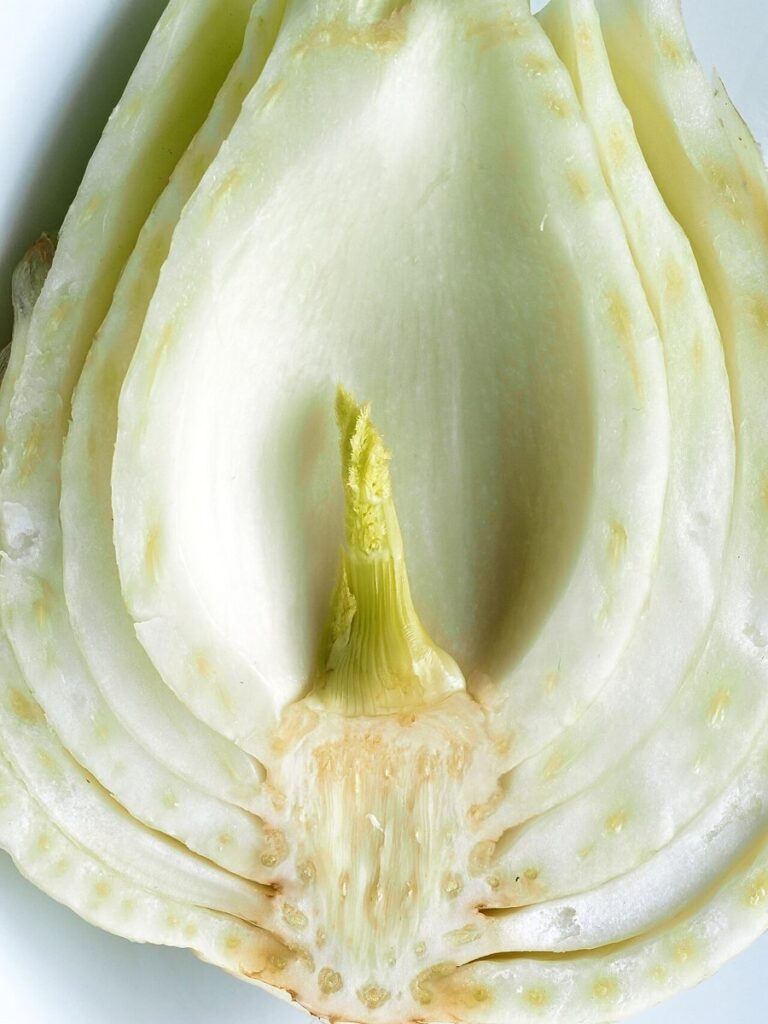
The Indian River salad brings citrus together with arugula, fennel, almonds and goat cheese. If you build a plate like that in your head, the individual jobs come into focus. A juicy ingredient needs a contrast in texture. Greens and thinly cut fennel give the fork something crisp, while cheese adds richness and a vinaigrette distributes seasoning among components of quite different sizes. A named regional ingredient can be central to a dish without being the only thing in the bowl that matters.
The wording also shows where an origin claim begins and ends. The menu identifies Indian River citrus. It does not thereby say that every almond, every drop of vinegar or every piece of cheese came from the same county. A reader wanting to know a grower’s name can ask about the restaurant’s current supply. Equally, a cook interested in recreating an idea at home does not need that supplier’s whole inventory. Try a few sections of citrus with something bitter, something crunchy and something rich, then taste the components together.
A French sauce can travel between fish
The same menu uses beurre blanc with more than one fish preparation. On the snapper plate the sauce carries citrus. On the salmon plate it carries mustard. A shared technique gives the cook two related but distinct ways to bring richness and acidity to fish. Read only the names of the fish and you might imagine these entrées differ mainly in species. Read the rest of each line and you see different vegetables, bases and accents as well. That can matter more to someone’s choice than a general preference for one fish over another.
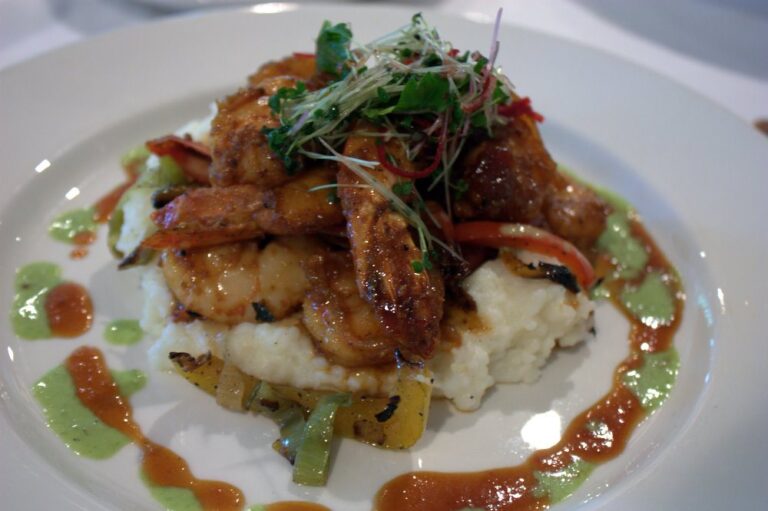
Take the snapper as an example. Corn pudding and fritters appear alongside fennel and crab. Soft and crisp treatments of corn can make a plate more varied even when diners recognize the underlying ingredient in both. That is a different kind of abundance from piling unrelated sides next to fish. It also suggests a way to make a more informed request. If you want to substitute something, identify which component you want to change and why. Removing the soft base can alter a plate differently from omitting one garnish.
The pork chop makes a Southern argument
Sweet tea in a pork brine, pimento cheese in grits and pickled elements on the same plate read like a conversation with Southern cooking. The names may be familiar, but their positions have changed. A drink has become part of the preparation of meat. Cheese has joined a grain-based accompaniment. Pickled elements bring a sharp interruption to richer components. The point is not that these are the only ways people in the South use those ingredients. It is that a menu can carry references to a region through technique as well as through an obvious geographic name.
Someone ordering for a table of four might build the meal around this contrast. One person chooses the pork, another chooses fish, and the table tries the citrus salad. Instead of asking everyone which entrée “won,” ask where they found brightness or crunch on their own plate. It is a question each person can answer from the food in front of them. It also explains why a guest who enjoys rich sauces might still favor the plate with the most pronounced pickled accompaniment.
A menu records choices and omissions
The lobster bisque on the published menu identifies Maine lobster. The documents here do not establish a Florida source for every seafood item, and a named origin outside the state makes that especially clear. What can still feel Floridian about a Vero restaurant using a Maine ingredient is the way the entire menu is assembled and the parts of the region it chooses to feature. A meaningful discussion of regional cooking has room both for ingredients that travel and for precise acknowledgments when they do.
The menu also leaves room for change through a soup of the moment and a pasta selection for the evening. Those are invitations to ask what the kitchen is doing that night. They are not evidence for a specific seasonal ingredient without an answer from the restaurant. If you are organizing a special meal around a dish you saw online, call to ask whether that item is still offered. A host can confirm availability or explain which current preparation comes closest to what caught your eye.
Take one idea back to the kitchen
You do not need restaurant equipment to learn from a menu. Try serving two preparations of the same vegetable at one dinner, or make two small batches of the same dressing with different acidic ingredients. Taste how changing one element affects the others that stay fixed. If you are working with Indian River citrus, compare using the juice in a dressing with adding intact segments to a finished plate. Those two decisions change the amount, texture and timing of the flavor in a single mouthful.
That is what makes this particular menu worth reading even after it changes. The useful takeaway is more durable than a list of today’s specials. A handful of named dishes shows a Vero Beach kitchen working out relationships among local fruit, traveling ingredients, familiar Southern references and French technique. Read it at that level and the question of what makes dinner feel like Florida becomes more interesting with each course.