What a Florida muscadine brings to the glass at Summer Crush
Read a Florida muscadine wine list at Summer Crush in Fort Pierce, with a closer look at grape color, estate bottlings, sweetness and pairing at home.
A Fort Pierce wine list poses a problem for anyone trained to start with chardonnay or cabernet. At Summer Crush Vineyard & Winery, the useful first question is what a muscadine tastes like. The next is which of several wines shows it in a way you enjoy. The grape is neither a novelty invented for a Florida attraction nor a guarantee that every bottle will taste the same. A few distinctions about fruit, recipe and place make the names on the winery’s list far easier to read.
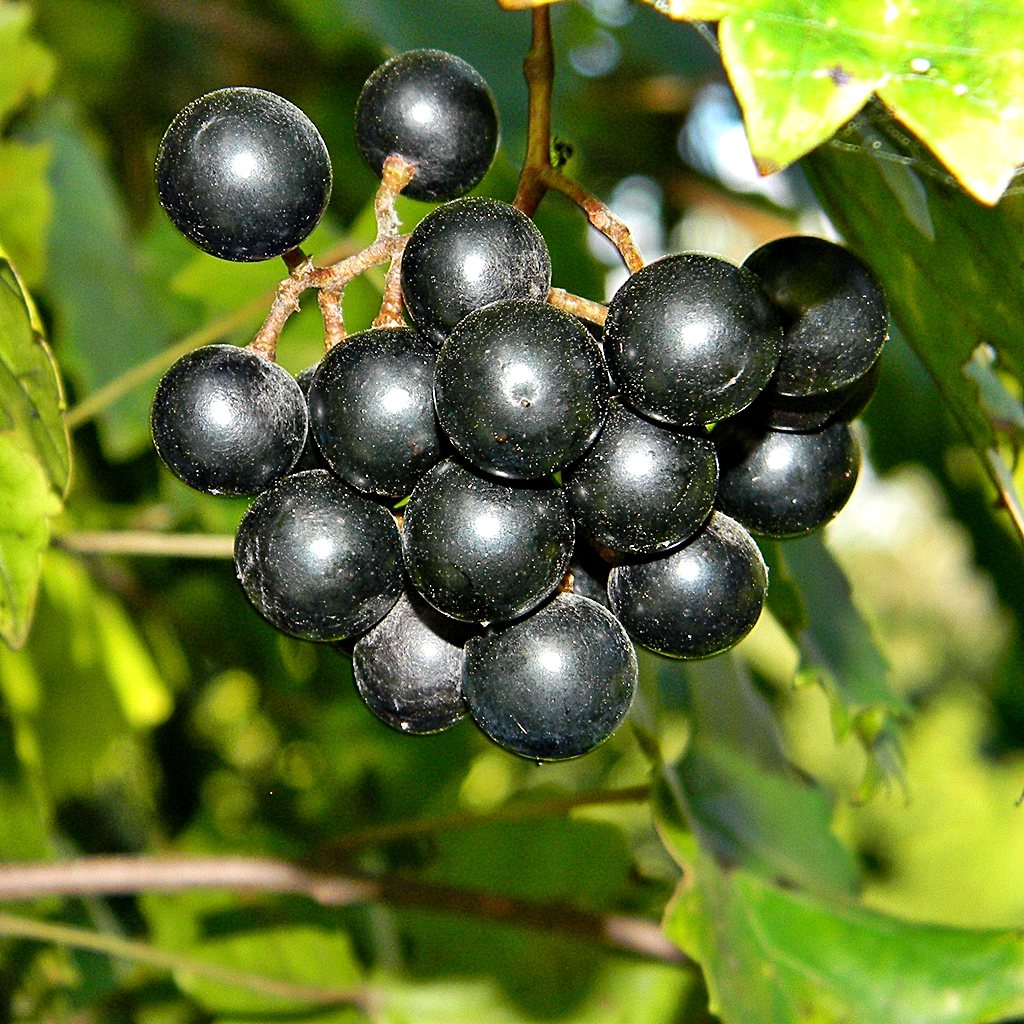
Begin with the fruit itself. The University of Florida’s Gardening Solutions guide describes muscadines as native to Florida. The grapes have thick skins and seeds. Growers can harvest them individually, a useful difference from the familiar grapes sold in bunches. Their colors range from bronze through darker shades. If the only mental picture you bring to a vineyard is a tight bunch of small, thin-skinned grapes, you are starting with a picture from a different part of the grape family.
The fruit on the vine is not the recipe in the bottle
A grape can suggest a style of wine without dictating everything the winemaker will do with it. The winery’s published wine list describes Florida-grown muscadine wines and distinguishes sweet, semi-sweet and semi-dry offerings. It also identifies blends, including one that combines Noble muscadine with a dry red vinifera wine. That last word points to a different group of grapes. Someone seeking the most direct introduction to muscadine might reasonably choose a different first sample from someone who wants a bridge from a familiar dry red.
Fruit color is helpful but incomplete. A bronze berry and a dark berry look different on the vine. A pale wine and a red wine look different in the glass. Neither contrast tells you by itself how sweet the finished wine will taste or how many varieties contributed to it. Look for the producer’s description of the particular bottle. When several options are available, ask which wine is made entirely from muscadines, which is blended with another type of grape and which emphasizes estate fruit.
What the word estate adds
Summer Crush explicitly invites visitors to ask about estate versions of several wines and describes certain versions as made from fruit grown by Summer Crush. The detail matters because a winery can make wine in Florida using Florida-grown fruit without every grape having grown at that particular vineyard. Someone buying a local bottle for a visiting friend may care chiefly about where it was produced. Someone following the vineyard itself may care about the origin of the berries in a specific bottling. Both are legitimate questions with potentially different answers.
When a wine you liked has more than one version, note the name and particulars on the actual label. A picture of the label is more helpful on a later visit than a note saying “the sweet one from Fort Pierce.” If you want to repeat the experience at home, ask whether the bottle being sold corresponds to the one poured for you. Limited batches and changing availability are ordinary reasons for a tasting list and take-home options to differ. There is little value in treating that normal variation as a mystery.
Set up a comparison you can taste
If the tasting room has suitable options, compare two wines along one dimension at a time. Try lighter and sweeter expressions of a similar grape, or try a muscadine wine alongside a blend. Avoid changing sweetness, grape color and serving temperature all at once if your goal is to discover what makes the difference. The exercise does not have to be elaborate. A sip, some water and a note on what you want to taste again will get you farther than trying to memorize half a dozen fanciful names.
At home, the same idea turns one bottle into an interesting dinner experiment. Put a small portion of plain food on one side of the plate and a seasoned version on the other. Taste the wine alone and then with each bite. A salty cracker, a little cheese or a bite of something smoky can change how prominent sweetness seems. You may discover that the wine you would decline as an aperitif is the one you most enjoy with dinner. That is a more useful discovery than assigning it a universal score.
Let the pairing have a Florida accent
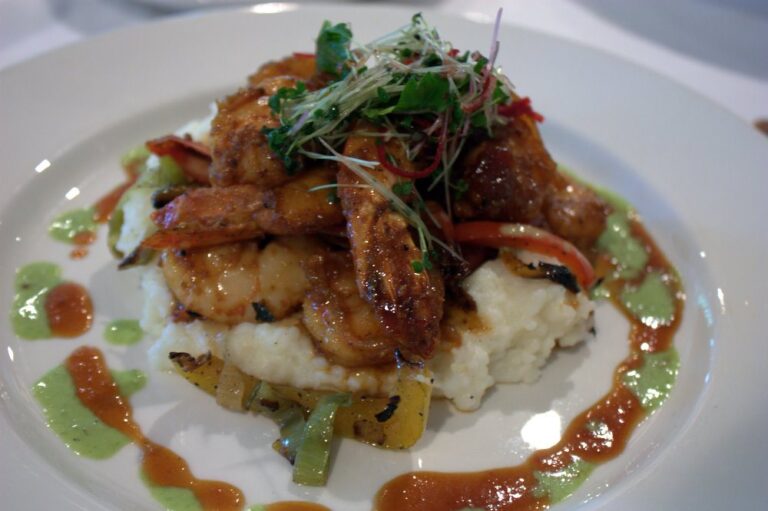
Summer Crush includes food suggestions on its list, among them smoked fish dip with one white blend and barbecue with a red blend. These are suggestions from the producer, not fixed rules. They do illustrate a productive way to think about a regional wine. Rather than asking which bottle imitates a familiar European pairing most closely, try it with food you would actually eat on the Treasure Coast. A smoked dip and crisp crackers make a modest test that does not require building an entire dinner around one glass.
Sweetness can be particularly easy to misjudge when tasting everything in isolation. A strongly flavored sauce may make a wine seem gentler, while a sweet dessert can make a previously sweet-seeming wine feel sharper. Serve sauces separately for a first comparison, and let people decide what they enjoy. A guest who prefers water with dinner can still participate in the conversation about the food or the fruit. Make the tasting a voluntary part of the meal and plan transport accordingly if you visit the winery in person.
A native grape and a particular producer
The university’s muscadine growing guide describes woody vines, tendrils and loose clusters, additional clues for anyone who wants to recognize the plant apart from the bottle. It also notes that these grapes can grow across Florida. Summer Crush offers one producer’s interpretation in Fort Pierce. A sip there may introduce the fruit, but any one wine is still a particular set of decisions about grapes, handling, blending and sweetness.
That is a useful ending for a Treasure Coast tasting. You leave with something more specific than the claim that Florida makes wine. You know what kind of fruit is involved, how an estate version can differ in origin and which bottle you would pour with a real meal. A relative back in Vero Beach who asks what you thought of “muscadine wine” may be expecting a yes or a no. After a thoughtful comparison, you can give the better answer and name the one you mean.