Why Vero Beach is taking a second look at its older buildings
A $50,000 grant agreement on Vero Beach’s November agenda follows a survey of 336 resources. Here’s what a survey records and what an address on it means.
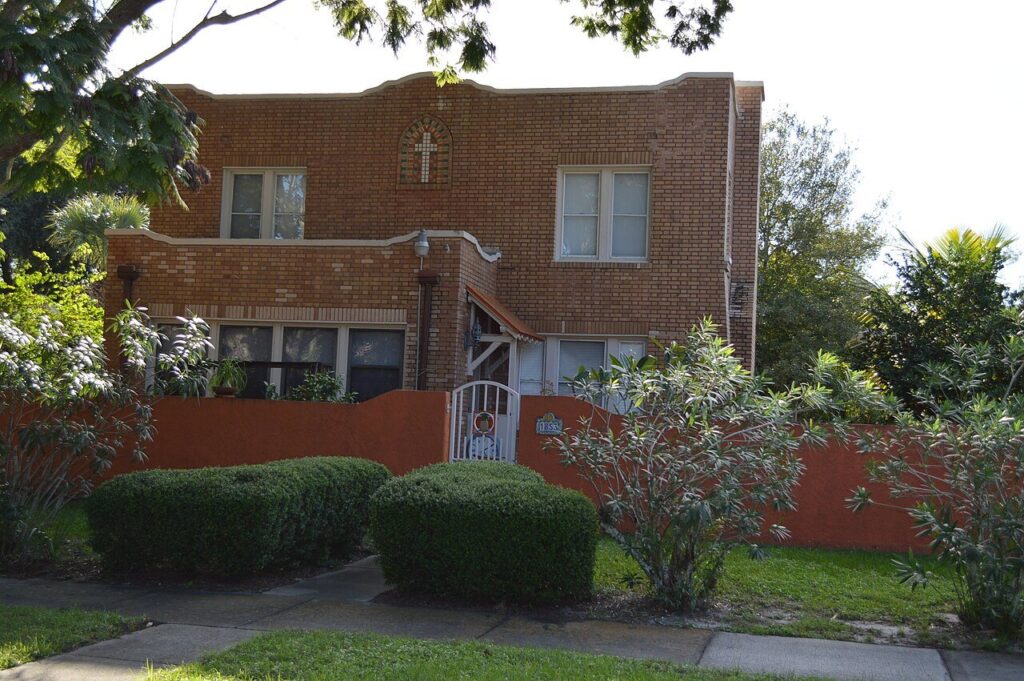
A bungalow rarely becomes the subject of public debate on the day someone first notices its porch has changed. More often, the debate arrives years later, when somebody wants to know what the block once looked like and the best photograph belongs to a family that has moved away. Vero Beach has already made one systematic attempt to record part of that architectural history. A second phase appeared on the November 24, 2026, City Council agenda in an agreement with the Florida Division of Historical Resources bearing a $50,000 figure.
The grant is the news hook, but the earlier work explains why the item matters. In August 2025, the city’s Historic Preservation Commission heard the results of an architectural survey of Downtown, McAnsh Park, Royal Park and Vero Isles. The consultant evaluated 336 resources. According to the commission’s minutes, only four had previously been recorded. The rest added a much larger set of observations to the public record. That is a significant change in what can be researched without requiring a single homeowner to open a house for public tours.
What the first survey captured
The first phase focused on resources built before 1975 in the target areas. Chronicle Heritage, the city’s consultant, documented buildings through photographs, field notes and Florida Master Site File forms. The minutes report that more than 95 percent of the evaluated resources were single-family residences. Most dated from the period spanning World War II and its aftermath, defined in the survey as 1942 through 1959. An inventory that includes ordinary houses therefore tells an important piece of Vero’s story that a list of famous public buildings would leave out.
An ordinary streetscape can answer questions no individual landmark can. Consider two neighboring houses that look similar from the curb. One may retain its original arrangement of rooms and openings, while the other now presents an enclosed porch or a later entrance. A dated exterior photograph records what the observer could see on that day. An earlier image, a permit or a plan might then help explain the difference. Depending on which records survive, some changes will be easy to date and some can only be described as occurring between two known observations.
The selection of neighborhoods shapes what conclusions the public can draw. A survey concentrated in residential districts will naturally include many small dwellings. It would be a mistake to infer from the resulting percentages that commercial buildings, agricultural structures or other parts of town played only a small role in Vero Beach history. The city has a baseline for the neighborhoods it studied. The boundaries of a later phase matter at least as much as the total number of forms the contractor eventually completes.
A survey entry and a designation do different jobs
The state describes the Florida Master Site File as a place to collect information on historic properties and surveys. The state is explicit that entry in the file confers no special legal status or protection by itself. A homeowner who finds a familiar address on a form has found a research record. To answer a specific question about development review, a permit or a proposed change, the owner still needs the applicable city documents for that address.
The Vero commission minutes illustrate the next distinction. The consultant identified a handful of properties it considered candidates for individual National Register recognition. A recommendation is a professional conclusion about potential eligibility. Listing is a separate action, supported by its own record. If a brochure or an advertisement claims a building has already been listed, ask for the actual listing and check that its address and description match. An inventory photograph is valuable evidence of appearance, but it cannot answer that administrative question.
What the November item establishes
Item 3D of the November 24 regular meeting agenda identifies a small matching grant agreement between the city and the state. It gives the project title as the second phase of the Vero Beach historic resource survey. The reference number is 27.h.sm.200.037. Residents looking for the grant agreement should use that identifier. Searching only for historic preservation can turn up discussions about earlier surveys, individual buildings and unrelated state programs.
The amount shown beside the item cannot answer everything about the work. A grant agreement or its exhibits can specify eligible costs, matching obligations and the work product due. A later consultant scope can identify the survey area or set fieldwork dates. Until those documents establish the boundaries, an owner should avoid assuming that every pre-1975 house in town will be photographed in phase two. Similarly, the November agenda does not establish that the next inventory has already been delivered to the city.
How residents can contribute evidence with a history of its own
Family photographs can help an architectural researcher more when the source and date survive with the picture. If a photograph shows an intersection before an addition was built, write down which corner it depicts, who took it if known, and how the date was established. A handwritten processing date on the back is different evidence from a date remembered decades later. Preserve both if they disagree. The researcher can then decide whether the image establishes a precise year or a broader period.
Leave original photographs intact and keep a copy of the front and back together. Ask the receiving archive or city office what format it prefers and how reproduction permissions should be documented. Private paper collections sometimes contain unrelated names or financial details. A description of the relevant page can begin a conversation without distributing the whole collection. When a photograph shows a private home, its usefulness comes from the building evidence, not from identifying who happens to be in the window.
The public payoff will come with comparison. Once another survey is available, ask which districts it covered, what date range the researchers used, whether previously recorded properties were revisited and where the completed material can be consulted. Those questions will make the phases intelligible side by side. Long after the grant number disappears from the meeting agenda, a dated photograph, a correct street address and a description someone can check may turn out to be the most durable products of the whole exercise.
Numbers in the earlier record also deserve careful reading. The commission discussed 336 evaluated resources, including the four that had already been recorded. When the next survey reports its own total, ask how many entries are new and how many update an earlier form before adding the totals together. An updated record can be historically valuable even when it adds no new address to the inventory.