A space capsule and a garden tell two stories at the Navy SEAL Museum
At the Navy SEAL Museum in Fort Pierce, an Apollo training capsule, a former treasure museum and a living memorial connect the island to national history.
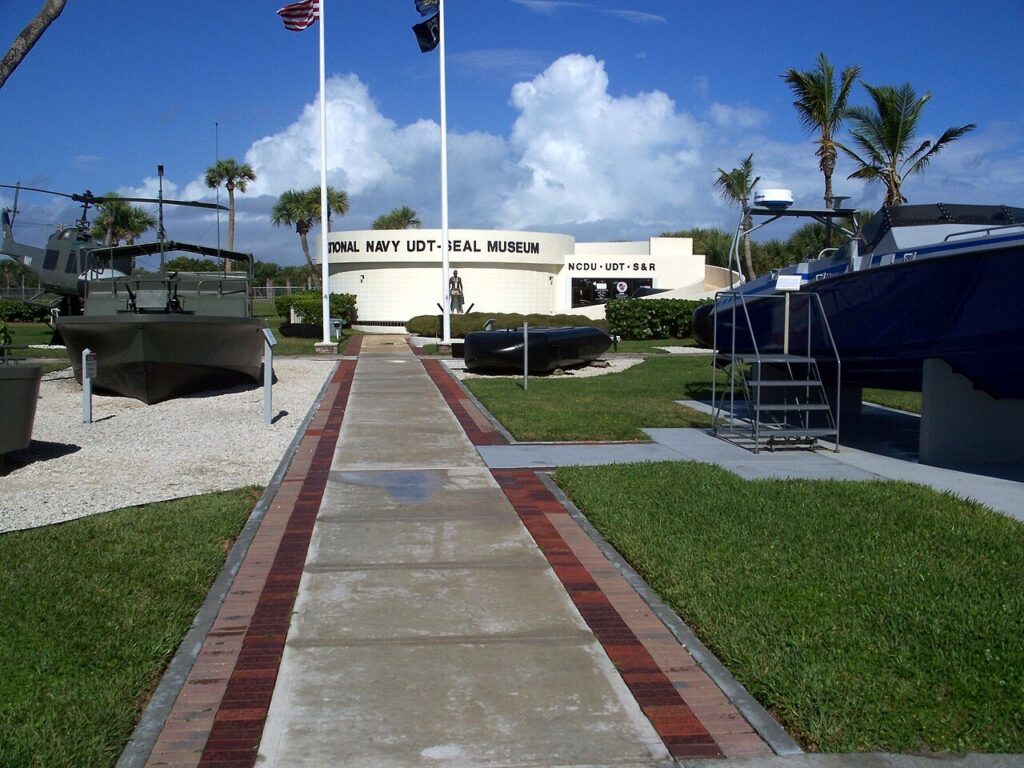
Space history is an unexpected reason to cross the bridge to North Hutchinson Island. The National Navy UDT-SEAL Museum in Fort Pierce displays an Apollo command module built for recovery practice. It is a particularly good object to visit with someone who remembers watching a splashdown on television. A broadcast might follow the astronauts until their faces reappeared. On the water below the helicopter were people with a different job. Their part of the story, and an artifact that helps explain it, have found a home on the Treasure Coast.
The site at 3300 North Highway A1A has another claim on an afternoon. It occupies the very stretch of Florida where some predecessors of the Navy SEALs trained during World War II. On the south side of the property, a memorial names men who died in service and draws together sand and plantings from distant places. For a first visit, give the building and those grounds time of their own. One asks you to look closely at things that survived. The other sets aside a place for people who did not come home.
Why this stretch of the island has a national museum
An oceanfront site might look like a tourism decision on a contemporary map. At Fort Pierce the geography came before the institution. The museum’s history traces the idea to 1981, when people wanted a place to remember the men who had trained on these beaches. Retired Navy Captain Norman Olson helped turn that hope into an operating museum. It opened on Veterans Day in 1985. Someone old enough to remember its first season could also remember a very different attraction in the same building.
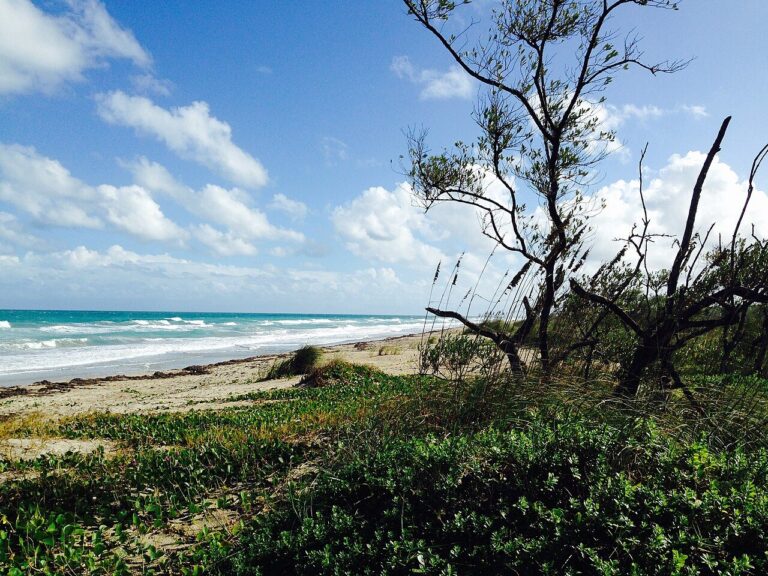
According to the museum, the earlier occupant exhibited pirate treasure. Visitors exploring more than one Treasure Coast museum will recognize why this detail matters. Coastal communities here tell several kinds of maritime history, from shipwreck recoveries and commercial fishing to wartime service and space exploration. A single building changing purpose makes that variety tangible. Outside, the local shoreline gives the place its World War II connection. Inside, the collections reach far beyond Fort Pierce. A family interested chiefly in Florida history can follow the premise of the museum itself, beginning on this shore and then looking outward.
An Apollo object with a job of its own
In its account of the Apollo recovery teams, the museum identifies the exhibit as a boilerplate command module. That word matters. This was a practice object, useful in its own right because people preparing for a recovery needed something that represented the spacecraft. Calling it a capsule that carried astronauts into space would tell the wrong story. A better question for the gallery is why an object made for work on Earth belongs in the history of a voyage to the Moon.
The museum connects Underwater Demolition Team 11 with multiple Apollo missions, including Apollo 10 through 13, and identifies the USS Hornet and USS Iwo Jima among the vessels involved. An astronaut’s journey had a beginning on a launchpad, a middle in space and an ending at sea. Each setting brought different people into view. Try following the last part from the perspective of the people aboard the recovery ship. The exhibit enlarges the cast of a story that can otherwise shrink to the handful of names printed next to a crew portrait.
There is a nice history exercise for a multigenerational visit. Before reading the full label, ask one person to name the people they associate with Apollo. Afterward, ask another to describe the work represented by the object. The lists will probably differ, and that is the point. A person who watched a landing as a child can contribute a memory of the coverage without claiming to have witnessed events at sea. Younger visitors can contribute details visible in the exhibit that the coverage at home might never have shown.
Take the path to the memorial
The museum places its memorial on the south side of the property. It includes the Memorial Wall, the Living Beach, the garden and a memorial to Naval Special Warfare dogs. These parts use different ways to remember. Names inscribed in stone identify individuals. The Living Beach gathers sand from places around the world where men served and died. The inclusion of a separate K9 memorial also makes visible a relationship that can be easy to overlook in a traditional list of historic dates and units.
The Memorial Garden was unveiled with the Living Beach on Memorial Day in 2021. The museum describes the plantings as representing places where SEALs and their predecessors died in service or training. It is a place for families as well as the general public. A group visiting with children can agree beforehand on a quiet moment and on where to regroup afterward. Someone who would like to stay longer should have that opportunity without holding up companions who are ready to return to the galleries.
Plan the museum day on North Highway A1A
The Fort Pierce visitor page is the place to check hours and admission. It lists Monday as an administrative closure and gives a separate Sunday schedule. The museum also says that visitors may enter the gift shop during its hours without paying museum admission. These are separate visits. If seeing the Apollo exhibit or reading the wall is the purpose of the drive, plan around access to the relevant part of the property. Groups wanting help interpreting an artifact should ask about staff or volunteer availability when arranging their visit.
Think about the order if relatives are visiting to remember someone. Beginning outdoors gives the memorial its own time before any gallery conversation. Beginning inside gives a general visitor some historical grounding before reaching the names. Either direction can end with a look at the island itself. The feature that tied the museum to this particular address was already here before the displays, the garden and even the earlier treasure museum. It was the beach where the local part of this national story began.
For visitors piecing together a family history, bring the spelling of a name, an approximate year or a photograph you would like help understanding. Those details give museum staff a more tangible starting point than a general recollection. Leave original family documents at home and inquire first if you are considering a donation to the collection.