Downtown Stuart by tram, on foot and from the river
A downtown Stuart route connects the free tram, City Docks, Flagler Park and an old feed store that explains why this Florida town grew beside the river.
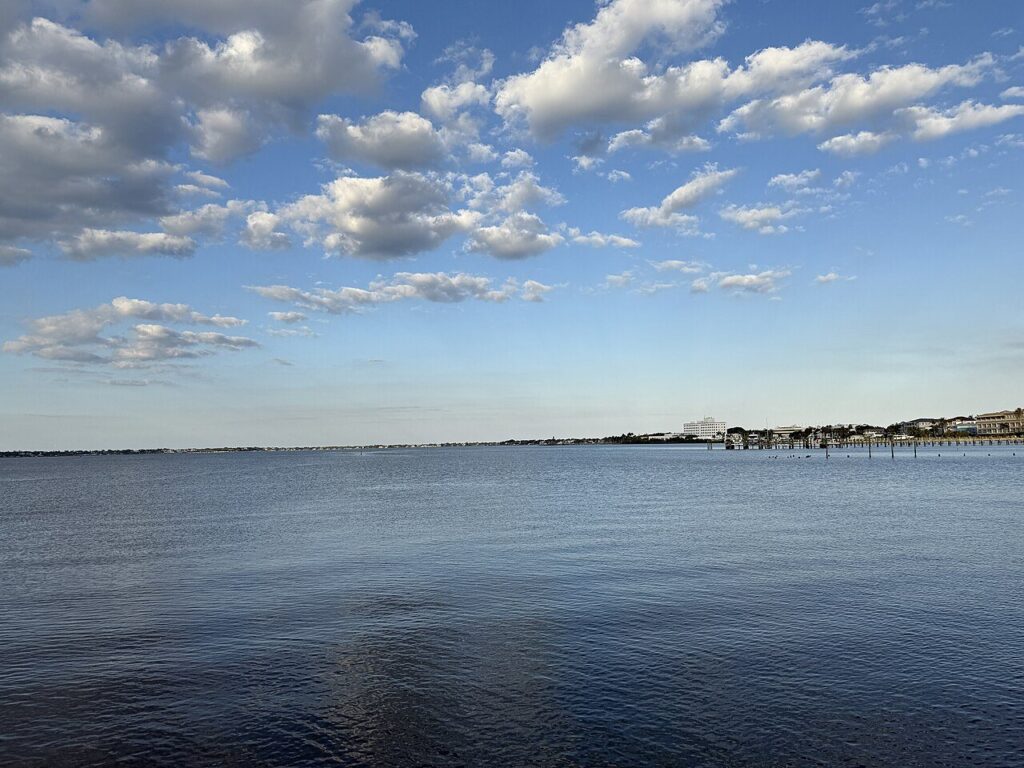
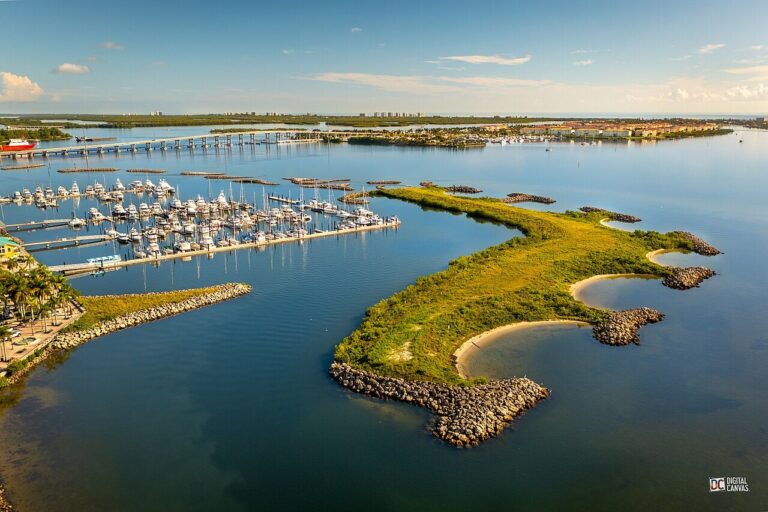
Downtown Stuart has an unusual front door. At 121 SW Flagler Avenue you can step off a boat, find a ride into the shopping district or walk along the St. Lucie River. A short way along the same street stands a former feed store where a steamer once delivered fuel to the back of the building. Together these two addresses make a fine introduction to Stuart. The first explains how to get around today. The second explains why generations of people wanted to come here in the first place.
For someone driving south from Vero Beach, the temptation is to put a restaurant in the GPS and circle until a space opens beside it. Give the car a different destination. Choose a downtown lot from the official tram map, note its parking restrictions when you arrive and make the river your first stop. Stuart becomes much easier to understand from the boardwalk, where the docks and the old commercial streets come into the same frame. A traveler coming by boat can do the same trip in reverse.
Getting from a parking space to the river
The City of Stuart’s transportation page links to the City of Stuart Tram app. It shows the stops, routes and estimated arrival for each tram. Open the map before choosing a parking space and identify a stop near the place where you want to finish. Someone planning to stay in Stuart after dinner will want to check service for the return trip. A dot on a map tells you where a vehicle is now. It cannot tell you how late a performance might let out or what parking restrictions apply to your particular space.
The downtown merchants’ parking and tram guide describes a seven-day service linking lots and downtown destinations. It makes sense to use the tram at the beginning if you are meeting companions at the river and then walk back through town at your own pace. With young children, consider saving it for the return. The county bus service, MARTY, is a different operation. Travelers using transit from elsewhere in Martin County should look up both portions of the journey. A ride on the downtown tram by itself will not get a visitor from every hotel in the county to the river.
City Docks make a practical meeting point
For groups arriving separately, send everyone the street address and the words City Docks. The city’s facility listing identifies the docks as a place where boaters can tie up for the day without a dockage fee. It rules out overnight use. There is a real difference between stepping ashore for a museum visit and planning to sleep aboard here. Settle any overnight arrangements elsewhere before making the docks your dinner destination. Shore visitors can approach via the City Hall parking area, which the city identifies as a tram stop.
Near this meeting point are restrooms, bicycle racks, drinking water and access to the waterfront boardwalk and stage. Those particulars matter more than a flattering description of the view when a group includes children, an older relative or somebody arriving on a bicycle. Give the person organizing the outing permission to pick one fixed landmark. An instruction to meet at the water is surprisingly unhelpful in a town where several blocks can truthfully be described that way. From the docks go first to the river side, then decide whether to follow it or head inland.
What the feed store can tell you
The Stuart Heritage Museum occupies the former Stuart Feed Store at 161 SW Flagler Avenue. Its exhibition on local lives and industries is particularly well placed. On the walk from the docks, ask what goods a town could move by water before trucks dominated deliveries. Visitors who know Stuart mainly for the riverfront restaurants may be surprised by the answer. The old merchant dealt in supplies that a growing town needed, and the river at the back of the property was a place to unload cargo.
In its account of the building, the museum identifies the Gulf Mist, a stern-wheeler that brought kerosene and gasoline to the rear dock. George W. Parks ran a general store, partnered with C. E. Christensen in 1913 and went into the oil business full time after selling the store. Later owners sold feed, seed and garden supplies. The change in merchandise is a small economic history in itself. Photographs and objects have an address you can walk outside and inspect. Try locating where a customer would have approached from the street and where a delivery would have come in from the water.
The museum lists a single-level main gallery, free admission and the option of contacting staff ahead for a school or group visit. Donations support the collection. That combination makes it a particularly good stop for visitors with different amounts of time. Someone with half an hour can focus on fishing or agriculture while another companion reads about the building. Agree to rejoin at the entrance. If a museum visit is essential to your day, verify its opening hours first and put the gallery before a late lunch.
Making an afternoon out of two addresses
Flagler Park gives the river walk an informal ending. The city lists picnic facilities and a playground in the waterfront area. A family can reserve the museum for the middle of the outing, with the tram at one end and the park at the other. Two adults looking chiefly for the history might reverse that order and return to the boardwalk after reading about the store. A boat crew can take turns walking into town and use the docks as its fixed point. Each version depends on the same two addresses, so nobody needs to navigate unfamiliar side streets by memory.
One final detail is worth recording before leaving the car or the boat. Take a picture of your parking sign or note which dock and street you used. Then put the map away during the short walk along Flagler Avenue. By the time you return, the distinction between a modern pleasure waterfront and an old working one will be visible in a single building. At its front is the street where people shopped. At its back is the river that once stocked the shelves.