Why a $6.96 million deduction at Vero’s water plant was not a $6.96 million saving
A January 2026 city memo separates equipment purchases from estimated tax savings at Vero Beach’s new water reclamation facility. The difference matters.
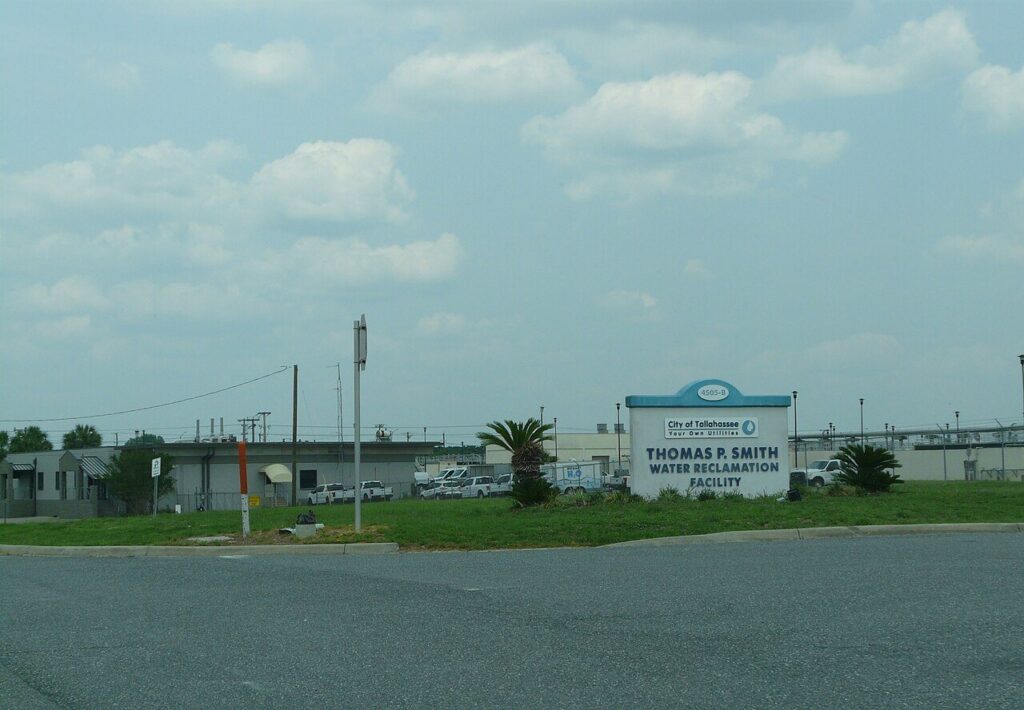
A Vero Beach construction memo contains two dollar amounts that look like competing answers to the same question. One is nearly seven million dollars. The other is about four hundred forty thousand dollars. Both concern the city’s new water reclamation facility. The first describes purchases proposed for removal from the construction manager’s contract. The second describes the sales tax savings that staff expected from changing who bought those items. A reader calling either figure a reduction in customers’ bills would be jumping several steps ahead of the record.
The numbers come from a city staff report dated January 23, 2026. It concerns change order one to task order four under the city’s contract with Wharton-Smith. Staff asked the council to approve a change involving twelve bid packages and authorize the mayor to execute it. The document is especially useful because the authors explain both sides of the accounting. It is possible for a contractor’s price to decrease substantially while most of the underlying materials still have to be paid for.
Follow one purchase through the change
Picture a piece of equipment specified for the treatment facility. Under one arrangement, the construction manager purchases it and includes its cost in the contract price. Under an owner direct purchase arrangement, the city purchases the item itself. In that situation, leaving the full purchase price in the manager’s contract and paying the supplier separately would count the equipment twice. Deducting the corresponding item from the contract makes room for the separate purchase. This example illustrates the accounting mechanism without guessing the contents of any particular bid package.
The city memo puts the items to be deducted at $6,962,862.14. Staff identified $440,435.66 in sales tax savings and proposed moving those savings into the project’s allowances and contingency section. The larger figure measures the scope moved out of one purchasing channel. The smaller figure is the projected benefit identified by staff. Adding the two together would create a fictitious saving. Subtracting the full deduction from a project budget while ignoring replacement city orders would create another misleading result.
Which contract figure are you comparing?
The report says the council had approved task four, identified there as the third guaranteed maximum price package, at $136,342,843 on May 27, 2025. That number supplies context for the subsequent adjustment. Its label matters. A contract package can be large enough to sound like the entire project while still representing only a specified task. To compare it with a later figure, establish whether the later number covers that same package, all construction packages, the engineering services or the whole facility including financing.
For example, an unchanged overall spending authorization and a lower manager’s contract could both appear in the accounts after a direct purchase. Neither entry would contradict the other. An authorization answers how much the city can commit under the relevant budget. A contract amount describes the obligation to a particular counterparty under particular terms. The project ledger can contain both. A comparison that ignores this distinction could give one reader the impression of a large windfall and another the impression the accountant has lost it.
Find the accounts and the evidence of delivery
The staff report identifies separate accounts ending in 616093 and 616082 for wastewater and reclaimed water. That detail opens a line of inquiry more concrete than asking whether the plant is on budget. A resident could ask for the owner purchase orders connected to this change, the credits against the manager’s task and the records showing that the material was received. The contract number, task number and change order number all help a custodian identify the relevant documents.
Set out the records in pairs. For an order from a supplier, find the associated scope description in the change order. If one order covers multiple deliveries, keep the receiving records together. If the city changed a quantity or substituted an approved item, retain the amendment that explains it. The goal is to establish that a given piece of equipment appears once in the paid cost of the facility. Matching documents at that level offers far better evidence than two similar totals in separate presentations.
What happens to a contingency?
A contingency is meaningful precisely because a large project can encounter expenses that are uncertain at the time of approval. Transferring an estimated saving to that part of a budget gives the project room to deal with an eligible later cost under the applicable rules. The transfer alone says nothing about whether anyone eventually spent that amount. Nor does the existence of a contingency tell customers how their rates will change. That would require evidence from the city’s separate rate and financing decisions.
A good year-end question would be how much of that transfer remained available, how much was used and what approvals supported its use. Ask for the starting balance and subsequent entries for the relevant allowances or contingency section. A single closing balance may combine multiple transfers and charges. It cannot isolate the fate of this one saving unless the detail underneath it identifies the transactions. If the city has subsequently adopted another change order, read its scope before assuming it undoes the earlier benefit.
Keep the environmental objective in a different column
Florida’s Central Indian River Lagoon Basin Management Action Plan identifies a Vero Beach water reclamation and reuse project. That supplies a separate point of reference for readers interested in the environmental purpose of the investment. The accounting question in the city memo concerns procurement. A question about treatment performance, reuse or progress toward a basin goal calls for engineering milestones, operating data or the basin program’s own reporting.
It is possible to follow the money closely while keeping an eye on that larger purpose. At a later meeting, ask which equipment has been bought, installed, tested and accepted, using those verbs separately. An order can be complete before commissioning. A functioning component can be ready before the whole facility is operating. Equally, the city can show that it avoided a specific purchase cost before it can demonstrate a measured environmental outcome. The dollar figure worth remembering from this memo depends on the question. For the contract adjustment, it is the materials amount. For the savings staff expected, it is the tax amount. For final performance, the evidence belongs in a different record altogether.
Those distinctions also make future public discussion easier. A resident can quote the task and change order numbers at a council meeting and ask for the current ledger, instead of asking officials to reconstruct which of several multimillion-dollar decisions the question concerns.