How to ask Vero Beach for the record that answers your question
A focused city records request can identify a contract, payment or park decision. Vero Beach’s written policy explains the custodian, estimates and fees.
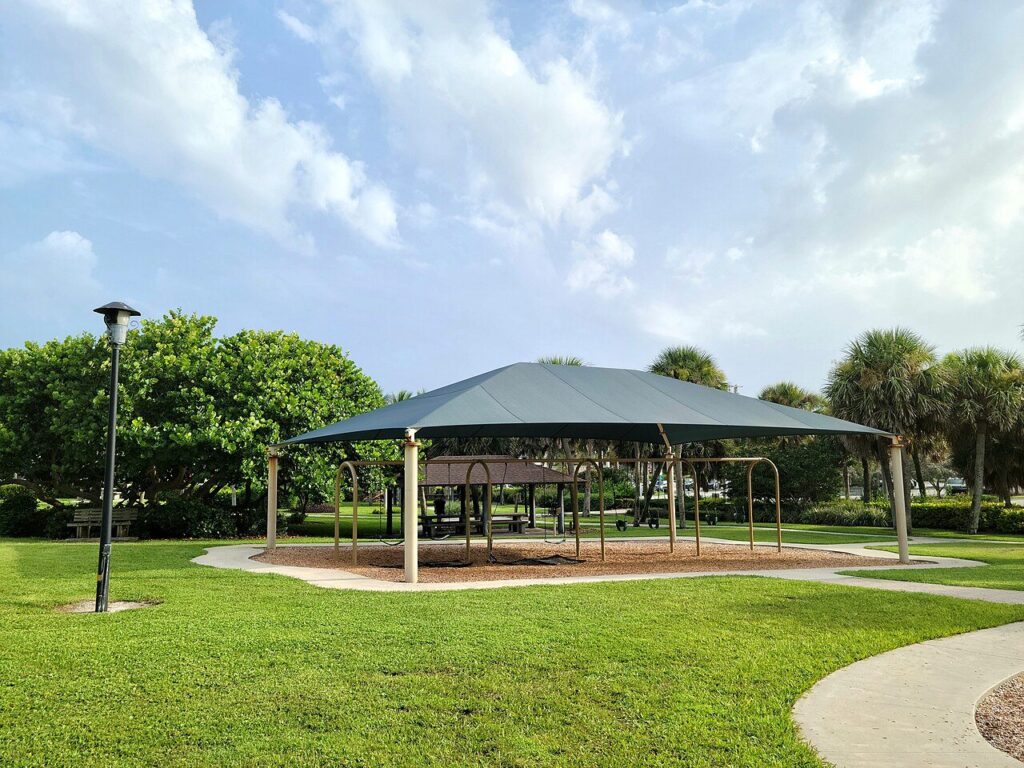
Suppose a taxpayer wants to know what Vero Beach paid to install a piece of playground equipment. The most natural question is “How much did it cost?” A city employee might be able to answer from experience. A public records search works differently. The document that settles the question may be a purchase order, a paid invoice, a payment register entry or a final project statement. Identifying which fact you need makes the difference between receiving one useful record and receiving a folder full of loosely related correspondence.
The City of Vero Beach directs requests through its public records custodian in the City Clerk’s office. Its April 2025 written policy explains how the office routes requests, what counts as extensive work and when estimated charges may apply. The city’s procedure is the subject here. Other agencies serving a Vero Beach address, including county departments and the school district, may hold different records and use their own points of contact.
Choose the record according to the verb
Begin by completing one sentence. “I want to see when the city authorized, ordered, received or paid for this item.” Each verb points to a different piece of evidence. A staff recommendation can explain why a purchase was proposed. Council minutes can establish the action taken. An order identifies what was placed with a vendor. A receipt or acceptance record supports delivery. A payment record is generally the stronger place to establish that money changed hands. None is automatically a substitute for all the others.
For the playground example, a request could identify the park, a date range inferred from the council meeting and the vendor named in the packet. Ask for the executed order and related payment record for that purchase. If the first document identifies a contract or purchase-order number, use it to refine any follow-up. This is usually a more useful starting point than asking for every communication containing the word playground. The latter could include unrelated maintenance, sketches, complaints and discussions of other parks.
Make your geographic limits do some work
“Vero Beach” on a mailing address can describe a much larger area than the incorporated city. The city clerk can coordinate a search of city departments. That does not mean the city built every road, owns every recreation site or maintains every drainage facility with a Vero Beach address. Locate the agency name on the meeting packet, invoice heading or project sign that prompted your question. If the request involves two agencies, identify what each likely generated.
For example, a county might make a grant toward a city project. A resident asking the county could seek the grant agreement and disbursements to the city. A request to the city might seek vendor invoices and reimbursement requests. The same project name belongs in each request, but the agencies’ roles suggest different records. A negative result from one office, standing alone, does not establish that the project had no expenses or that someone failed to keep records. It may mean the question belongs with the other participant.
Dates and formats can reduce the effort
A definite time window helps a custodian locate material. If a council item identifies a contract awarded in a given month, start with the award and the period during which the work you care about occurred. If the subject is a renewal, use the base agreement number and the renewal date instead of asking for every vendor interaction over several years. Say whether draft versions matter. A person interested in the price actually accepted will often want the executed version first.
The city policy says written and verbal requests are accepted and explains that a requester may choose anonymity. Writing can still be valuable because it preserves exactly which documents and dates were requested. The city is seeking enough identifying detail to find material, and its policy says it generally need not create a document that does not exist or answer questions about the documents. Asking for an existing spreadsheet in its available format is different from asking staff to research several files and construct a new analytical table.
What the estimate is estimating
Under the city’s published April policy, processing beyond thirty minutes or costs of at least fifty dollars can qualify as extensive. The policy explains that search, review and redaction can contribute to costs, even for material ultimately delivered electronically. It describes a good-faith estimate for extensive requests and a deposit of half the estimated charges before processing. Read the current policy linked by the city clerk when making a request, particularly if the potential volume is large.
An estimate is useful information about the scope of the search. If it is larger than expected, ask which part drives the effort. Thousands of emails that require review present a different problem from a single contract stored in an older system. You might decide to request an existing index or start with the signed agreement while considering a broader search. The city’s policy also addresses multiple related requests being processed together. Discussing scope openly is more productive than splitting an identical request into several small messages and assuming each will be assessed separately.
Reading what comes back
On delivery, retain the original file names and the custodian’s cover note. Check the pages, dates and attachments against your request. A contract may reference exhibits that define the work more precisely than its first page. A payment summary might use an internal vendor name rather than the sign on the business. If a portion is redacted, distinguish the visible gap from the contents you cannot see. A follow-up can identify a particular exhibit or request the basis supplied for a redaction without speculating about what the concealed passage says.
Finally, compare the document you received with the question you set out to answer. A quote for equipment and a final payment for installation are different costs. If the city’s response establishes one and leaves the other unresolved, say exactly that. The value of a careful records request is not the number of pages delivered. It is the ability to point to a dated public document and explain, in plain language, which part of a neighbor’s question it actually settles.
A useful habit is to save the originating agenda item with the final response. That keeps the public statement that prompted the search beside the transaction that answered it, even if the city’s website later rearranges its archives.