Can a marina rate sheet explain what Vero Beach earns from its docks?
Vero Beach’s municipal marina prices slips by use, duration and size. The rate sheet and master plan together show what a financial assessment still needs.
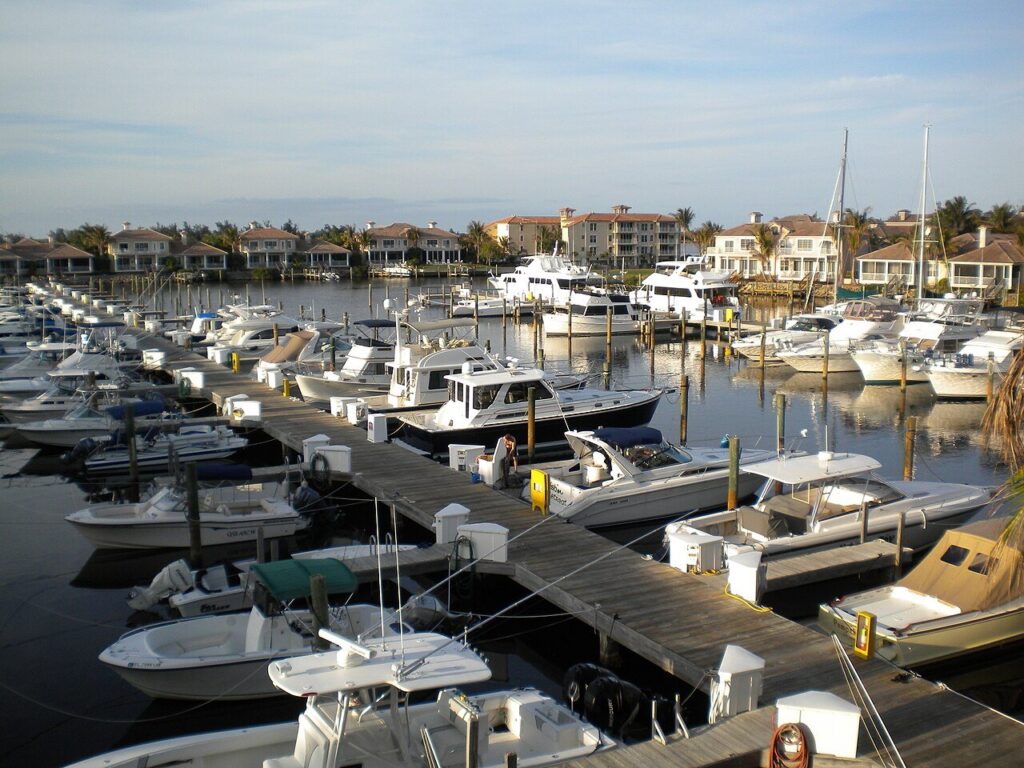
It sounds like an easy calculation. Count the slips at the Vero Beach Municipal Marina, multiply by the posted nightly rate and project a year’s income. The problem is apparent as soon as you read the rate sheet. A transient stay, an annual slip, a mooring and dry storage are different products. Even two boats that look similar from the dock may be billed differently because of their length, the assigned slip, their location and how long they stay. An attractive waterfront can be heavily used without generating the revenue in a simple back-of-the-envelope estimate.
The city’s reservation and rate schedule sets out the distinctions. A separate municipal marina master plan addresses possible investments at the facility on the Indian River north of the Merrill P. Barber Bridge. The first source tells a boater how the city describes charges. The second gives a historical picture of alternatives and assumptions. A useful public assessment of the marina needs both kinds of information plus actual operating and capital accounts.
A foot of boat can be a different unit of revenue
On the city’s published schedule, the Main Marina transient daily rate is $2.50 per foot per day, while the weekly figure is $2 per foot per day with a seven-night minimum. Monthly and annual rates use a per-foot-per-month basis. The page describes how boat length and slip size matter for monthly, seasonal and annual billing. It also distinguishes charges at the South Complex. A person calculating annual revenue at the daily transient rate for every slip would be applying one category’s price to entirely different commitments.
For illustration, a forty-foot boat billed at the Main Marina daily figure would generate a base daily charge of one hundred dollars before any applicable taxes or other charges. A seven-night stay billed at the posted weekly per-foot rate would have a base of eighty dollars per night for the same length. This is an example of the arithmetic, not a reservation quote. It shows why a longer stay can bring in a different rate per occupied night even when the same boat is in the water.
Occupancy has a denominator too
When a public presentation reports occupancy, ask what can actually be occupied. Does the denominator count all physical slips or only those available to rent during the period? Are certain sizes unavailable while construction takes place? Does a mooring appear in the same count as a wet slip? An occupancy percentage is much more informative when the underlying units and period are explicit. Without them a winter figure can easily be mistaken for a year-round result.
Imagine two months with the same number of nights booked. If a section of dock was unavailable during one month, occupancy of available inventory could be higher in that month even where revenue stayed level. Conversely, more nights sold at a lower long-stay rate might improve use without increasing income in proportion to nights. Neither scenario establishes a problem. Each simply illustrates why a governing board needs occupied nights, available nights, price mix and revenue to judge operations fairly.
What the master plan actually offered
The March 2020 master plan describes its drawings as conceptual alternatives for possible maintenance, modification and improvement. The authors explicitly distinguish that work from construction-ready designs. They consider such issues as environmental effects, potential permits, probable costs and possible grants. That makes the plan a strong primary source for why the city examined options and which questions designers considered. It is not, on its own, a record that a particular alternative was approved, built or paid for.
If a newer proposal refers to the master plan, identify the particular alternative and compare its scope with any later contract. A changed berth layout can alter the mix of vessels the marina can accommodate. A dry storage improvement would affect a different service from a wet slip expansion. A new price tag can reflect a newer design, different construction market or altered project boundaries. The first comparison should be between the two sets of deliverables. The cost comparison comes after that.
Separate money earned from money available for reinvestment
The rate page says fees are intended to cover proper maintenance, operation and capital improvements. That is a purpose, rather than a finding that posted fees covered every cost during a particular fiscal year. A look at actual performance would require earned revenue along with operating expenses and the treatment of capital funding. The city’s financial reports page points to budgets, quarterly reports and annual financial statements. Select the fiscal year and marina fund or operating records that correspond to the question.
A resident asking how much the marina “made” might mean gross income at the dock, operating income after expenses or cash available for future work. Repairs, staff time, utilities and insurance can affect operating results. A grant might finance a specific improvement without raising recurring income. A capital purchase can use cash in a year when an operating report allocates its cost differently over time. Keeping those concepts apart helps determine whether an apparent gain is repeatable or tied to a particular project.
How to evaluate a rate change
Start with the affected boaters. Which category changes, during what season and for what length of stay? Apply the old and proposed rates to a small set of realistic examples and show assumptions. Then ask the city to compare the results with how many customers actually used that category. A change affecting transient vessels may have a smaller effect on annual revenue than a smaller adjustment to a heavily used long-term service. The public rate alone cannot reveal the mix.
The marina also has public waterfront responsibilities that an income calculation cannot fully describe. When discussing an improvement, ask what it delivers to boaters, which costs it avoids and what part of the facility remains operational while work occurs. A clear account connects a berth or storage space with the service provided, the price charged and the money needed to keep it in use. From the bridge, all the slips belong to one marina. On the city ledger, their differences are exactly what residents need to understand.
To make the comparison useful next year, retain the effective rate schedule with the annual operating figures. A schedule currently displayed on the city website may have changed since last season. Using today’s prices to reconstruct older earnings can introduce an error before the analysis even reaches occupancy.