The dip in front of a Sebastian house has a job
Sebastian’s roadside swales and driveway culverts belong to a larger drainage network. Learn which upkeep the city assigns to homeowners and what to ask on a tour.
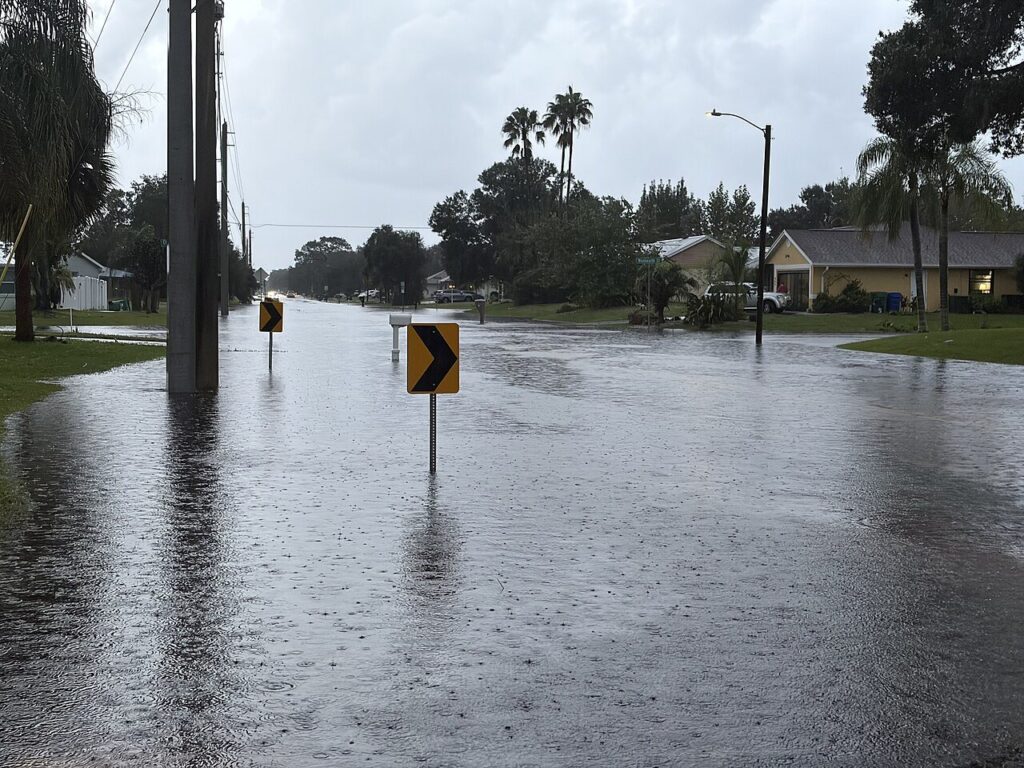
The edge of a driveway can reveal a great deal about a Sebastian house. Where a newcomer might see a shallow hollow interrupting a perfectly mowable lawn, the city sees part of a drainage network. A pipe beneath the driveway lets water move past one home toward another part of that system. Someone choosing a home here will live with the appearance, access and routine upkeep of this feature, often long before they have any reason to visit a city engineering office.
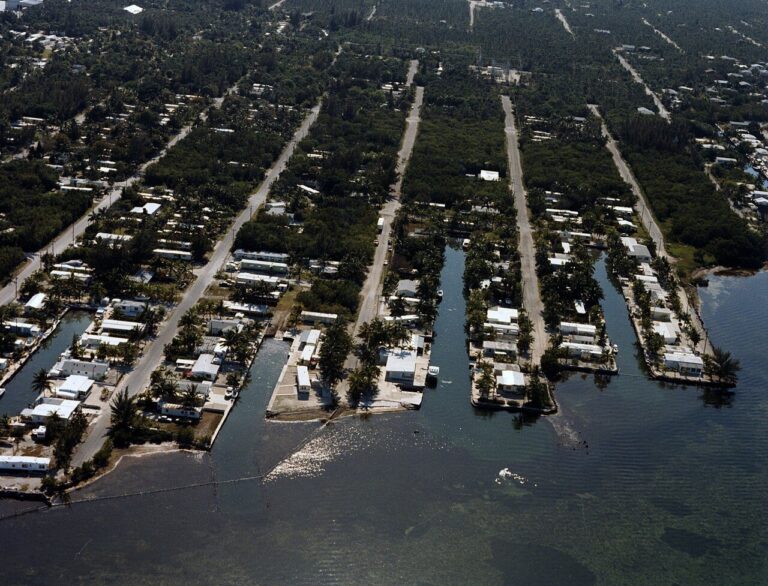
Sebastian Public Works and Engineering describes a stormwater system incorporating swales, ditches, culverts, catch basins, baffle boxes and the 8.15-mile Elkcam Canal/Collier Creek Canal. It also assigns each homeowner the mowing and cleaning of their front-yard swale and driveway culvert, and the side-yard swale where one exists. The city is describing overlapping scales of work. A household maintains certain features directly in front of it while a public utility operates a system much larger than a single yard.
Walk the water route before looking at the landscaping
Start at the driveway and look both directions along the road from an appropriate public position. Can you see where the low part of the grass continues beyond the driveway? Are the culvert ends visible? Do the roadside features on the next lot appear to connect? It can be hard to understand a swale when standing on the front porch looking straight toward the road. From near the driveway edge, the route along the length of the street can become easier to recognize.
The depression matters partly because the street and the yard are never entirely independent. Rain can arrive on a roof, a driveway or pavement. Water that needs to move along the roadside must pass the driveways and low points between it and the next element of the network. A well-kept lawn at one house cannot tell a buyer how the entire street behaves during a storm. Conversely an unattractive patch of wet grass immediately after rain, taken on its own, cannot diagnose a system failure.
Think about how you would actually use the frontage. Where would a delivery driver stop? Where would someone set bins without blocking access? Could a visitor mistake the grassy shoulder for a parking area? A swale that is easy to see in full sun may be harder for a driver to recognize at night. If a buyer expects to store a trailer or park several vehicles, look for space designed for that use and check the rules that apply. Do not count every square foot of roadside grass as an extra driveway.
Maintenance at one address and repair of the larger system
The city uses specific language about mowing and cleaning. That is a good reason to ask which responsibilities apply before assuming a homeowner must undertake a structural repair or may reshape the roadside on their own. A crushed pipe, a problem spanning several lots or concern about the road surface raises different questions from ordinary yard work. Ask Public Works to identify the responsible party and process for the condition you actually see. Give the street address and nearest intersection so staff can locate the correct segment.
There is no need to enter a culvert, wade through water or pull out material to make a useful inquiry. From a lawful position, record what you can observe, when you observed it and which side of the driveway is involved. A photo facing along the road can establish context while a closer photo documents the particular feature. Explain whether the concern is recurring, newly noticed or reported by a previous owner. Sebastian links to a concern-reporting service from the Public Works page.
A buyer should also distinguish the swale’s condition from any underlying boundary or right-of-way question. The grass an owner routinely mows might extend into a public right-of-way. A person comparing a survey to a proposed fence, tree planting or driveway widening needs to locate the work against the relevant lines. The fact that a neighbor has installed a particular feature is no assurance that your own proposed work has permission or that the two frontages have the same geometry.
What a driveway project changes
A family hoping to widen a driveway may picture only the new driving surface. The project may also change the crossing above the swale, the drainage opening and the way water reaches or leaves the frontage. Before pricing the job as a simple paving project, ask the city about permitting, engineering requirements and who can determine the necessary culvert details. Give the contractor the same description you gave the city. Two estimates may cover quite different jobs if one assumes replacement of the drainage crossing and one does not.
An existing driveway tells its own history through records. Ask the seller about repairs, resurfacing, previous issues at the culvert ends and any correspondence with the city. Keep dates with photographs after rain. Some buyers find it useful to visit again after weather changes, provided travel is safe. Observe from normal access routes and compare what you see with the time that has passed since the rain. A single dry viewing cannot reveal everything, and a single wet one does not measure how quickly water usually clears.
When comparing two adjacent driveways, notice whether replacing just one crossing would leave the adjoining segments untouched. A contractor looking at a single parcel may quite reasonably quote only that parcel’s work. That is a reason to ask a city engineer about how the proposed level meets the rest of the roadside drainage route.
Homes near canals introduce another source of guesswork. Being near a named canal helps a reader orient to the wider system. It does not by itself establish that a particular culvert drains directly into it, that an owner may reach it through neighboring land or that a lot is protected from flooding. Ask the relevant public office for a system drawing if the drainage route matters to a decision. Use separate property and flood records for questions about rights or mapped flood risk.
For a household thinking about moving in, the best question may be simple. What will the strip of land between the front door and the street require of us during an ordinary year? In Sebastian, part of the answer is written into the city’s description of its utility. Once you see the front-yard dip as a working feature connected to a whole street and a larger network, the tour becomes more informative, the maintenance expectations clearer and the next driveway conversation much easier to have.