An arts afternoon on Riverside Park Drive
Pair the Vero Beach Museum of Art with Riverside Theatre. Plan around the curtain, choose an exhibition and see how artists build a scene in two media.
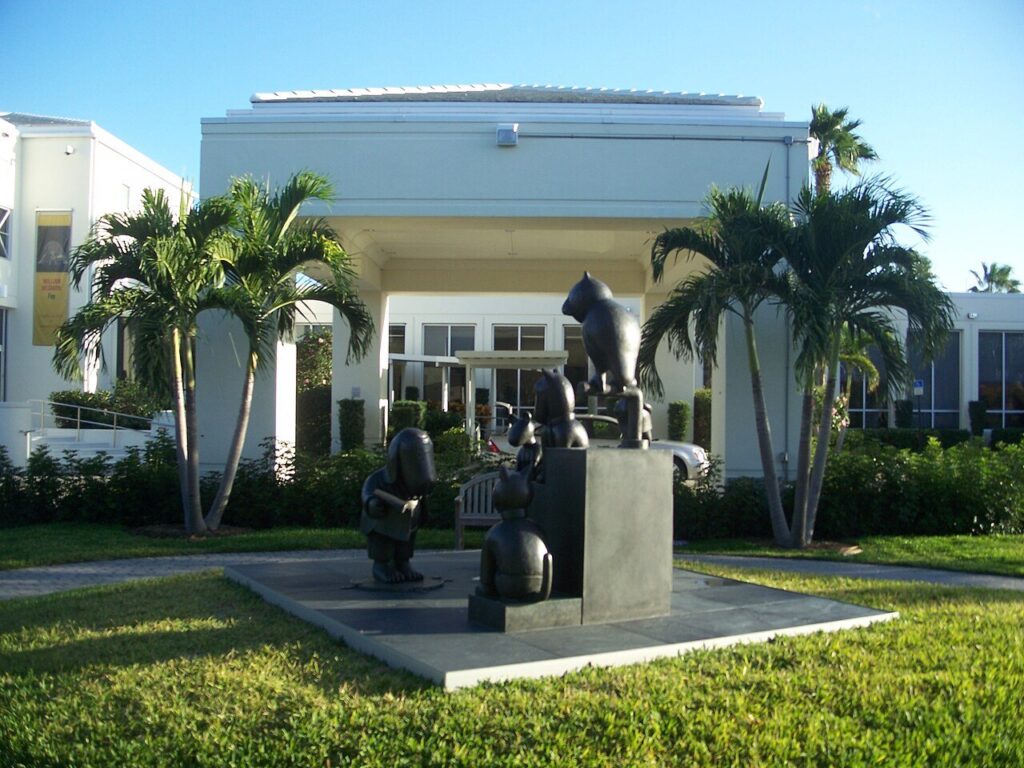
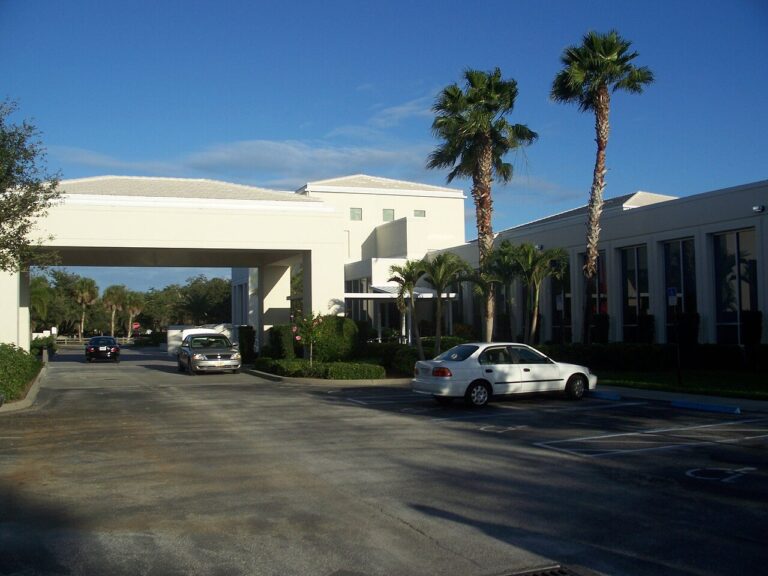
There are two good reasons to put Riverside Park Drive in a Vero Beach visitor’s phone, and a good reason to enter the street number too. At 3001, the Vero Beach Museum of Art asks visitors to set their own pace. At 3250, Riverside Theatre starts when the performance is scheduled. Treat the two as partners and an afternoon can acquire a subject of its own. Treat them as interchangeable stops called “the arts” and it is surprisingly easy to spend part of a museum visit watching the clock in the wrong building.
Start with the performance you actually want. Riverside’s season listing identifies the stage as well as the production. Its 2026–27 schedule, for example, puts the murder mystery Clue on the Stark Stage and The Mouse & The Mustache on the Waxlax Stage. Their January runs overlap. A date with the word “Riverside” beside it will not settle which production a friend meant. The ticket, date, stage and time together make a useful message to send to the rest of the group.
Work backward from the curtain
Once you have the ticket, decide whether the museum belongs before or after it. A matinee poses a different problem from an evening curtain. If the performance ends late in the afternoon, the museum may already have admitted its last visitor. The museum distinguishes between last admission and closing time on its visitor page. Check both for your particular day. An evening ticket offers more room for the gallery, but it also leaves a dinner interval to fill. The museum currently lists its café and sculpture parks as closed during campus improvements. Assume lunch will need its own plan until the museum changes that notice.
Consider splitting the group for part of the outing. Someone who would rather spend an hour with photographs need not sit through a second hour of paintings because a companion has been waiting all week for the show. Agree on where and when to meet, and use the theater entrance indicated for your performance. A flexible gallery followed by a fixed rendezvous is especially handy for local hosts introducing out-of-town family to Vero. It gives everyone something to bring to the conversation even when their tastes are far apart.
Pick a question small enough for one room
The museum’s exhibitions and collection guide separates visiting exhibitions from its own holdings. It also sorts the collection into media, including photography, glass, paintings, sculpture, works on paper and video. A work in the online collection may be in storage. Choose a room from the current exhibitions listings for the actual visit, then take one question into it. Try asking how an artist persuades the eye to move from foreground to background. Look first without the wall text. Pick out the edge or patch of color where your attention landed first.
In front of a painting, two people can test that question quite differently. One can stand far enough away to take in the whole rectangle and describe where the picture feels heaviest. The other can look closely, at a considerate distance, for a change in paint handling or a repeated shape. Change positions and compare. If the labels identify a date and a material, use those facts to revise the first impressions. An area that seemed flat from the other side of the room may owe its effect to dozens of small decisions. A silent minute for looking often produces a more interesting disagreement than reading everything aloud.
For a child or an adult who has had enough of wall labels, try the same exercise as a drawing game. On a piece of paper away from the work, describe the composition with three shapes and leave out everything else. Can a companion identify which picture you mean from across the gallery? Ask staff about drawing materials before using them inside. Anyone can do this from memory afterward, including people convinced they cannot draw. The point is to discover which visual decisions are carrying the picture, an idea that will come up again when the stage lights go on.
Look for the same problem onstage
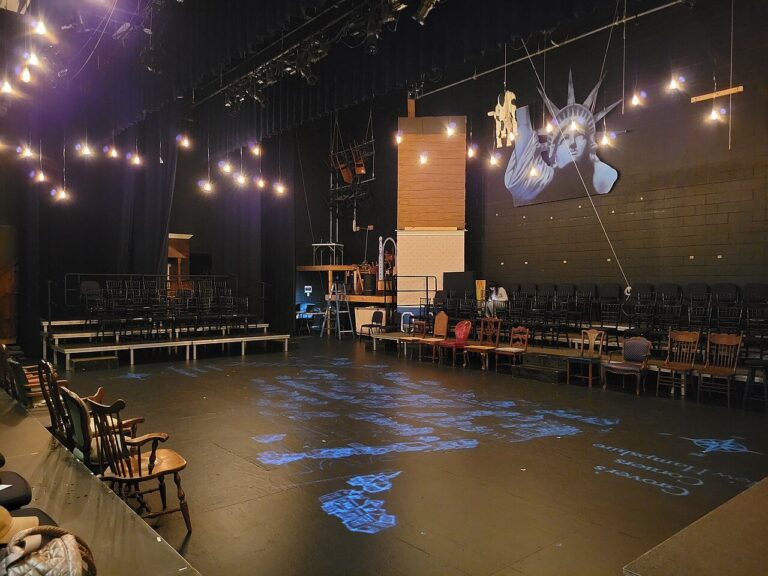
A theater designer has another version of the foreground problem. The audience must know where to look even when there are several actors, furniture, doors and a whole conversation competing for attention. During one scene, notice which entrance draws your eye before a person speaks. In another, see whether a shift of light or the placement of a chair changes the apparent size of the room. These are observations to make quietly from your seat. At the break, compare one moment with your companion’s recollection. You can agree that a scene worked while disagreeing completely about how it did the work.
Riverside’s backstage resources make that conversation possible even for someone who cannot stay for a performance. There are rehearsal and production clips, archive material and conversations about what goes into making a show. A short production clip at home before visiting is more useful than a synopsis that gives away every joke. Pick a detail to follow, perhaps a change of costume or a piece of scenery. In the auditorium, notice what the full stage adds beyond the close crop of a screen.
The theater also distinguishes a ticket to a production from a place on a backstage tour. These tours give the sets and props a different kind of attention and last about an hour and a half. At the time of writing the theater listed a January 2027 resumption. Do not fold a tour into an earlier date or assume that buying a show ticket secures one. For a returning visitor, a separate morning devoted to the production side can be more rewarding than an extra stop squeezed between the gallery and curtain.
Leave room for the conversation
There is local history behind this pairing. The museum’s account of its beginnings traces the Alliance for the Arts to 1978 and the opening of the Center for the Arts to January 1986. Teaching was central to that enterprise; the institution took its present name in 2002. A visitor who spends time working out how a picture does its job is participating in one of the reasons the institution exists. And a theater outing takes on new depth if the set, props and lighting earn a mention alongside the actors.
Before heading home, each person can name one choice an artist or designer made that changed the experience. The answers might be a red line that pulled the eye to a corner, or a pause before a door opened. They do not have to be impressive or even similar. Two Vero Beach addresses have delivered an unusually good afternoon if a family can still remember those particulars over breakfast the next morning.