Fellsmere’s Frog Leg Festival has two clocks. Follow the kitchen’s.
See when the Fellsmere kitchen serves frog legs and gator tail, how the drive-thru works, and how a fundraiser for children grew into a four-day festival.
If a relative asks you to bring frog legs home from Fellsmere on the Saturday of the festival, do not offer to pick them up as the midway closes. The kitchen stops three hours earlier. That gap is one of the most useful details in the schedule for the 36th Fellsmere Frog Leg Festival, January 21 through 24, 2027. Whether your family wants dinner, music, rides or all three, the best time to arrive depends on what you want to carry away.
First there was a problem with children’s recreation
According to the organizers’ history, members of the city recreation committee were trying in 1990 to find funding for local children’s activities. Residents thought frog legs might draw people to Fellsmere for a dinner. Local frog giggers brought in 400 pounds from nearby marshes for the first festival. The committee expected a limited crowd. Some of the helpers, their setup work finished, even went to the movies. The people left behind found themselves facing a line of hungry customers.
The part of the origin story that stays with you is the search for a second supply. After the first night’s dinners sold out, helpers went looking locally for more frogs. An airboat in someone’s yard was a sign the person inside might be able to help. The account describes a fundraiser growing faster than its organizers could cook. It is a story about the first dinner, not a statement that today’s menu comes from the same marshes. The scale of what the cooks and volunteers now accomplish is quite different.
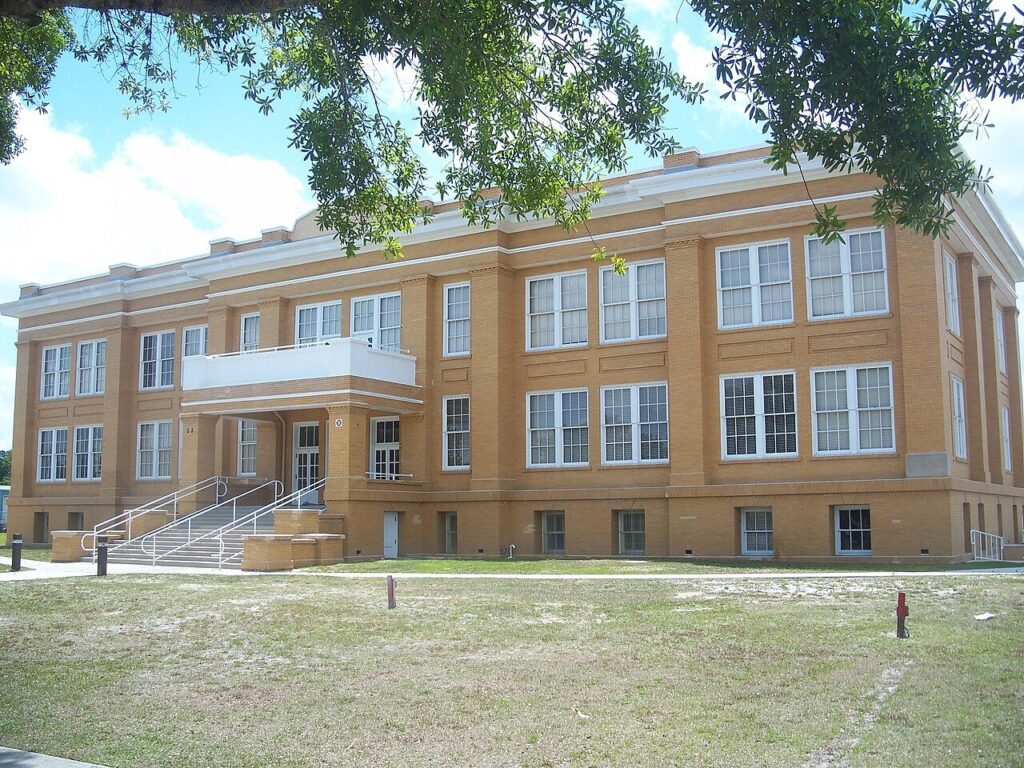
The event’s relationship to the Old Fellsmere School developed as the kitchen needed more room. The festival says the cooking and serving operation moved into the school basement, and that festival support helped the city restore the old school. A meal that once needed little more than outdoor cooking equipment became tied to keeping a community building in use. Visitors who go straight from a parking spot to the midway can easily miss that connection. The old school is part of the reason this event belongs to Fellsmere rather than to whichever town happens to book a carnival.
The kitchen’s day is shorter than the festival’s
The published food schedule starts at 4 p.m. on Thursday and Friday and ends at 8 p.m. both evenings. The wider festival runs until 11 p.m. Saturday has the biggest separation at the beginning of the day as well: the festival opens at 10 a.m., while food service starts at 11. The kitchen closes at 8 p.m. and the festival at 11 p.m. Sunday dinner service runs from 11 a.m. to 4 p.m., with the festival continuing until 6.
Each of those differences suggests a different outing. The person who likes browsing early can do a Saturday circuit of the booths before the kitchen opens. A group meeting after work on Friday should eat first if seeing the signature dinner matters. Someone coming for Sunday lunch has a longer margin than someone who arrives expecting Sunday supper. The posted hours describe when a service is scheduled, rather than a promise that a particular dish will be ready for every late arrival.
What the dinner name gets you
Frog legs and gator tail each appear in a dinner with grits, coleslaw and hushpuppies. The menu also lists smaller ways to taste alligator and options without the dinner sides, including a pound of frog legs. When ordering for two people who want a little of everything, compare what goes into each order. Two portions of the entrée alone answer a different appetite from two full plates with several sides. Read the item names rather than trying to choose from a photograph of one plate.
An adult ordering for a child who wants to know what frog legs taste like might prefer to share part of their own dinner before buying a second one. Someone with a food allergy should ask the serving team about the actual preparation and possible contact with other ingredients. A menu name cannot tell a customer what equipment the kitchen shares. For a group of relatives picking up several meals, write the choices down before reaching the front of the line. “Frog dinner” and a portion of legs without sides are easy to confuse when the food everyone is interested in has the same name.
The drive-thru is a separate way to attend
The organizer directs takeout traffic to 21 South Cypress Street, with the line entered off South Cypress. Follow the takeout signs to order, pay and collect meals. This is useful for someone bringing dinner to a neighbor who cannot spend an evening at the grounds. It also changes what an invitation means. A driver committed to picking up several meals might not be the right person to deliver other family members directly to the rides at the same time. Agree on which route the car will take before setting out.
For the full festival, general admission and parking are listed as free. Food, carnival rides and purchases from exhibitors have separate costs. A family can structure the outing around one dinner and a look at the booths without promising everyone a ride package. Conversely, a visitor especially interested in rides should check the festival’s current ride page for the applicable day and terms. A meal picked up in the takeout line does not answer any questions about the midway.
A town event you can experience in several sizes
There is an unusual range between the smallest and largest possible visit here. Somebody can order one dinner from a vehicle, never enter a booth and still take part in the tradition that began the festival. A family can spend a whole day on the grounds and lose track of when the kitchen closes. A former resident may want to see the school more than either the food or the rides. All are reasonable reasons to make the drive inland from the coast. The festival’s four-day calendar leaves room for those different appetites.
If you bring someone who has never been, tell them the origin story while you are deciding what to order. The question that set this in motion was about finding money for local children. The unusual entrée was the residents’ answer. Thirty-six editions later, the surest way to understand the idea is still to get to the kitchen in time.