Forty-Five Seconds at the Grandstand: How to Watch Stuart’s Christmas Parade
Stuart’s December 4 Christmas parade starts at 7 p.m. Follow the East Ocean Boulevard route, see where bands perform and learn how the float awards work.
A marching band moving past your chair and the same band stopping for a performance at the judges’ grandstand are two different things to see at the Stuart Christmas Parade. The organizers allow school bands up to 45 seconds for the grandstand performance. That short pause helps explain why one person remembers a particular song from a parade and someone several blocks away remembers the same musicians chiefly by their uniforms. Choosing where to stand is part of choosing which event you will experience.
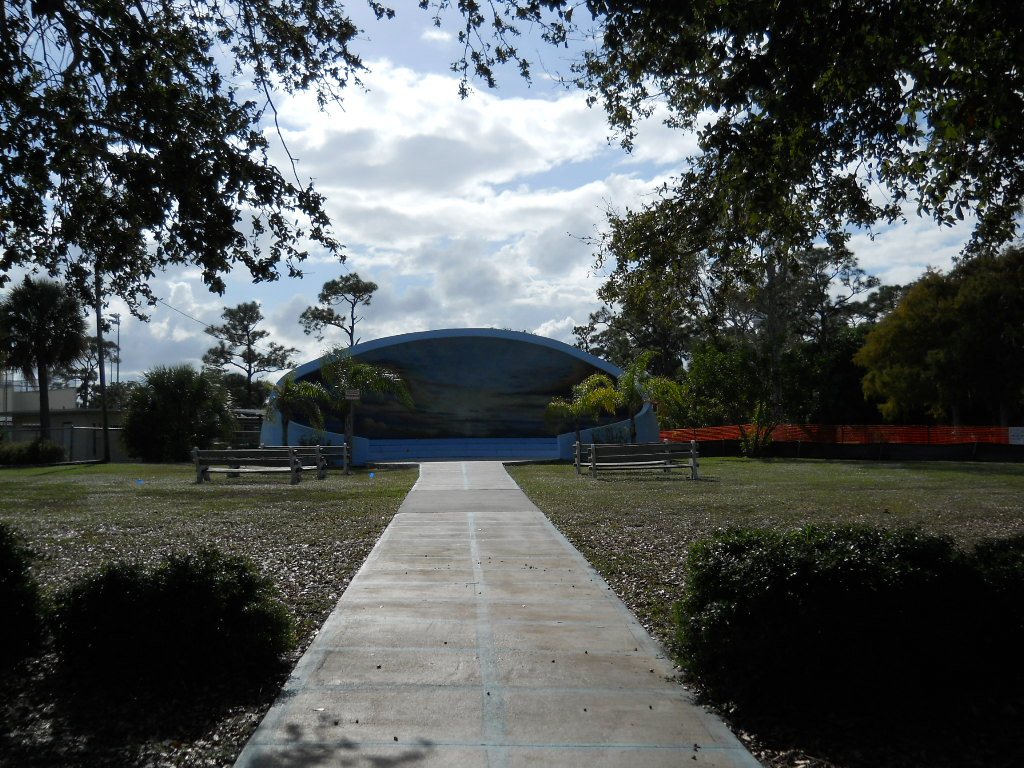
The 65th annual Stuart Christmas Parade is scheduled for Friday, December 4, 2026, at 7 p.m. This year’s theme is Santa’s Stuart Vacation. The organizers date the local tradition to 1960. The event runs along East Ocean Boulevard, with the start listed at Smithfield Plaza near Southeast Monterey Road and the disband area at the bandshell near Southeast Georgia Avenue. The seven o’clock time is the start of the parade, so a person watching nearer the end should expect a different wait from a friend standing close to the beginning. Official Stuart Christmas Parade information
A float has a reader on each side of the street
The theme gives everyone a fair starting point for looking at the entries. What would it mean for Santa to take a vacation in Stuart? A floatmaker can answer with a large scene visible from a distance, with music someone recognizes before the vehicle arrives, or with small details visible only once the float is alongside a group. Families can make it a game to see which entry first communicates the idea to a child who cannot read the banner. Wait until the vehicle passes and ask what the child thinks Santa was doing. The answer may be more interesting than the one adults had in mind.
At night, all that storytelling depends on light. The parade rules require entries and vehicles to carry a minimum of one thousand lights and follow the theme. The visual problem for a designer is consequently less about whether there will be any light and more about how to organize it. Does your eye go first to a face, the outline of an object or a line of moving people? When a float is broadside, can you see which element matters most? On a busy street, a simple, recognizable silhouette can register long after an intricate sign has passed. Parade entry rules
The rules also ask participants to hand candy to spectators rather than throw it. That detail changes what parents can promise the children. The point of finding a spot near the front is a better view, never a race to something in the roadway. If your child has come primarily to see a cousin marching or riding, make that the aim at the beginning of the night. A sweet handed over at the curb can be incidental to the occasion.
At the grandstand, the clock is part of the performance
The organizers place judging just east of Hospital Road. There a band has a brief opportunity to perform for a fixed audience before returning to the forward motion of the parade. Listen for what a group chooses to establish first. It may take only a few beats to make a rhythm identifiable, while the musical idea a director wants audiences to remember might come just as the group starts moving again. A child learning an instrument can use those moments to spot the section that carries a tune or keeps a formation together.
If standing for the whole event would make an evening difficult, consider which part matters most and plan around that. A family interested in seeing floats underway may enjoy a less performance-focused spot. A band parent who wants to hear the part rehearsed for the judges will have a different preference. Share the name of a cross street on East Ocean and the side where you plan to stand. Telling a late-arriving friend to find the group “by the parade” gives them the entire length of an occupied roadway to search.
Judging the floats yourself
The official awards separate the judges’ favorite from the spectators’ favorite. They also recognize the way floats use the theme, lighting and music, with separate classes for entries under 30 feet and those measuring 30 to 40 feet. That is a remarkably practical set of categories to borrow for a family scorecard. Two siblings can agree about the best lights and disagree about the best idea. A small float with a perfectly legible scene can earn their attention even after a much larger entry has passed. Float awards and spectators’ choice
The organizer directs spectators to its Facebook page for the public vote. If voting appeals, note enough about the entry to recognize it later. A business name or the organization on a banner is usually more valuable than a phone photograph so tightly cropped that only a single string of bulbs survives. For someone who prefers to put the phone away, simply naming the family favorites on the way home works just as well. The judges’ verdict answers one set of questions. A child who liked the sound of a drum answering a trumpet is entitled to a different standard.
A final point for families who know a participant concerns the end of the evening. An entry at the bandshell has to follow the organizers’ disband instructions, and volunteers direct walking groups and vehicles through different routes. Agree in advance who is responsible for collecting a young performer, and follow the directions provided by their school or unit. Standing where you can see somebody finish marching and standing where the group is permitted to release that person can be quite different arrangements. With that settled, the hard work of managing the evening is largely done. You can watch the floats like a neighbor, listening for the group you know and wondering what somebody has imagined for Santa’s vacation.
For a grandparent hoping for one good picture, it helps to ask a performer in advance what side of the formation they expect to occupy. The route will put that side toward one sidewalk. You may still discover that a tall instrument or a turning float changes the view, but the conversation gives the child something to look forward to and the adult a better place to begin.