At Little Wonders, a Preschooler Gets Two Ways Into the Same Nature Question
Plan a Little Wonders visit for ages 2–5. The Environmental Learning Center lists Saturday sessions on hibernation, manatees, pollinators, water and birds.
A two-year-old who spends a whole minute examining one leaf and a five-year-old who wants to know what ate its edge can attend the same nature program in Indian River County. For the adult going with them, the most interesting detail in the Environmental Learning Center’s Little Wonders schedule is how the center organizes repetition. It keeps the same subject for a month and changes the activity between two Saturdays. A child can return to something recognizable while getting an entirely different chance to investigate it.
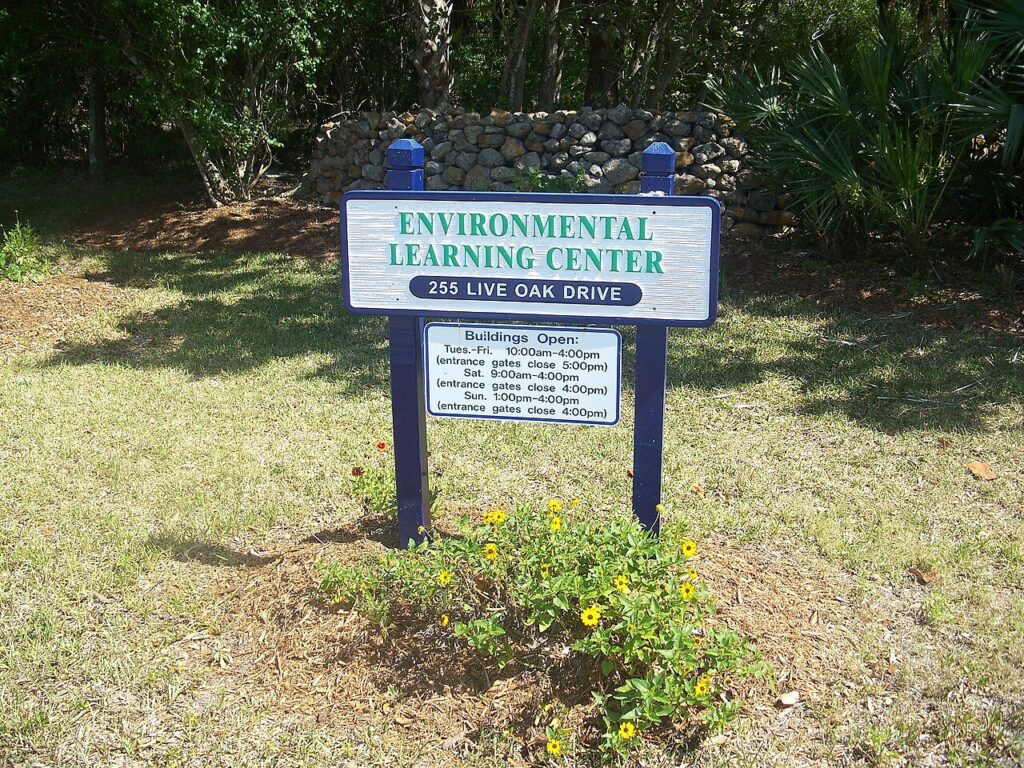
Little Wonders is for children ages two through five accompanied by a caregiver. The center lists two hour-long options on each program day, 10 to 11 a.m. or 11:30 a.m. to 12:30 p.m., at its campus near the Wabasso Causeway. Families meet in the Welcome Center at 255 Live Oak Drive. The published price is $15 per child. Advance registration matters even if the family is familiar with the grounds. The center requires at least six sign-ups to run the program and asks adults to remain with their children throughout. Little Wonders schedule and registration
Choose a question that will travel home
December 5 and 19, 2026, share a hibernation theme. For a child who hears the word mainly in picture books about snowy winters, it can open a conversation about where animals spend their time when people cannot see them. Start with an observation the child can actually make. A hole is visible from a path, a space under a leaf is in shadow, or an animal that was in view a moment ago has disappeared. Asking “What can we see from here?” gives an adult a way to be interested without inventing an occupant for every interesting hole.
January 2 and 16 turn to manatees. February 6 and 20 move on to pollinators. A manatee-themed session is an opportunity to learn about a large local animal without requiring it to appear on cue. A pollinator-themed session gives a child the possibility of looking closely at something small. Families choosing one month over the other can think about which scale currently interests their child. Someone who loves the shape of enormous animals and someone who examines a single flower all the way home can both find a point of entry in the same season.
For March 6 and 20, the center lists water. April 3 and 17 are about birds, and May 1 and 15 turn to nature and art. These dates are especially useful to households coordinating two preschool children with different interests. Rather than build one crowded morning around several activities adults hope will appeal to everybody, let each child choose a date and a question to bring. Keep the booking confirmation with the time you selected. The morning session and the late-morning session on the same date have separate beginnings and endings.
A guide for the grown-up in the group
The center describes hands-on nature and art play and asks families to wear clothing and footwear that can get wet or dirty. There is a practical reason to take that literally. A preschooler repeatedly told to protect a favorite outfit has a different assignment from a preschooler invited to look at, handle and investigate things. Bring a simple change of clothes if that gives the adults more freedom to let the child take part. The center has separate instructions about water activities and requires an adult-signed participation form. Read those conditions during registration, before arriving with a child eager to start.
An adult can take on one quiet job during the session. Listen for the way the child describes a texture or shape, then use that phrase again later. A teacher may call something a seed pod and a child may call it a little boat. Those descriptions can coexist. Asking what makes it look like a boat often produces more careful looking than immediately correcting the name. The next time you see a different pod together, you have a question that belongs to the two of you rather than a quiz the adult already knows how to finish.
Two Saturdays on one topic also solve a common family-calendar problem. Missing the first session does not mean the second is simply a repeat of a lesson everyone else has already done. The center advertises different activities on the two Saturdays. For a child attending both, take a short note about the question that survived the first outing. A child who wondered how a bird holds onto a branch can bring that curiosity to the second visit even if the next activity involves something quite different. Familiarity with the welcome area and the adults’ routines can leave more attention available for the subject itself.
Give the hour its own ending
Participants may stay to explore the center after class or have lunch on campus. That is an option with particular value for siblings or grandparents who want more time together. It also gives a family permission to leave at the end of the hour. An enthusiastic child who would enjoy the outdoor space on another day might still have used up all their attention during class. A successful outing can end at the Welcome Center with a changed pair of shoes and one story the child wants to tell on the ride back.
For another day, the ELC publishes a monthly calendar of programs for different ages and interests. Use the individual program pages to see which require an accompanying adult, what to bring and whether a separate fee applies. The center lists scholarship opportunities for Little Wonders families who receive SNAP, WIC or other financial assistance. Asking about support while selecting a date gives staff time to explain the arrangements for this particular program. Environmental Learning Center monthly program calendar
The walk from the car at the second visit can be its own measure of what the first one did. A child may recognize a sign, stop at the same patch of ground or ask whether a particular creature will be there again. You can let the question remain open until you get closer. That is a pretty good reason for returning to a place with a preschooler in the first place.