How to follow a Vero Beach City Council decision from agenda to vote
A playground fence, an equipment quote and a possible stage at Pocahontas Park show how to distinguish a Vero Beach discussion from a council decision.
Did Vero Beach approve a new playground, a fence and an amphitheater in a single meeting? That is the kind of question that sounds straightforward until you open the minutes. On February 3, 2026, the City Council considered several ideas for Pocahontas Park. One exchange concerned what the city would pay for equipment. Another concerned the color and material of a fence. Still another concerned where a stage might fit. All three appear in the same record. They call for three different answers about what the city knew and what it had decided.
The February 3 council minutes give residents a particularly good way to practice following a local decision. The document preserves corrections, questions and references to drawings as well as formal business. A reader who searches only for a price or the word “approved” can land on a real passage and still attribute the wrong decision to the wrong people. Start with what you want to establish. The existence of a proposal, permission to buy something and the amount ultimately paid each have their own evidence.
Find the meeting and the body that acted
Open the City Council Agenda Center and identify the meeting by date. Follow the item into the packet and the minutes. Watch for the name of the body at the top of the original record, especially when an attachment reproduces minutes from another board. A council packet can contain an earlier commission discussion in full. The speaker and the date on an attached page matter just as much as the name of the file in which you found it.
At Pocahontas Park, the recreation director reported that the Recreation Commission supported the GameTime proposal. He described funds in the year’s budget for playground equipment and said staff were ready to move forward with council approval. That passage supports a statement about what the director presented and what the commission favored. It also names the next decision-maker. Treating the commission recommendation as a council vote would erase the very reason staff brought the matter before council.
Follow a correction all the way through
The fence prompted one of the most revealing exchanges in the record. The director initially placed fencing and structures in the second phase. The assistant recreation director then corrected the timing of the fencing and put it in the first year. Council members discussed possible materials. Staff talked about durability, and the assistant director was working on a price for an aluminum option. The city manager said staff would look at options and bring them back.
Imagine a neighbor reading only the first answer and another reading only the correction. They could disagree about the timing while both accurately recalling words from the meeting. Reading on resolves that disagreement. It also shows why there is no basis in that exchange for announcing an aluminum fence order. A price being sought is a different stage of work from a material selected and purchased. When reporting a correction, say which part changed. Moving the fence between phases does not, by itself, change the scope of every other improvement.
Keep the range attached to its scope
When the mayor asked about playground equipment, the assistant director put the last quote between $450,000 and $550,000 and said it included demolition and installation. A discussion about a possible aviation component followed. Those details belong together. Describing the lower figure as the price of the whole park would discard both the upper end of the estimate and the description of what the estimate covered. An amount quoted in February also needs its date if it is repeated months later.
A practical follow-up is to look for a purchase order or agreement that identifies the vendor, the equipment, the scope and the accepted price. If a later price looks higher, compare the work before calculating an increase. Does the second figure contain a fence that was separately priced in the first? Do both include removal and installation? Is a rendering included as an attachment while a signed price appears elsewhere? These are questions a document can answer. A difference between two totals alone cannot.
Read a drawing as a drawing
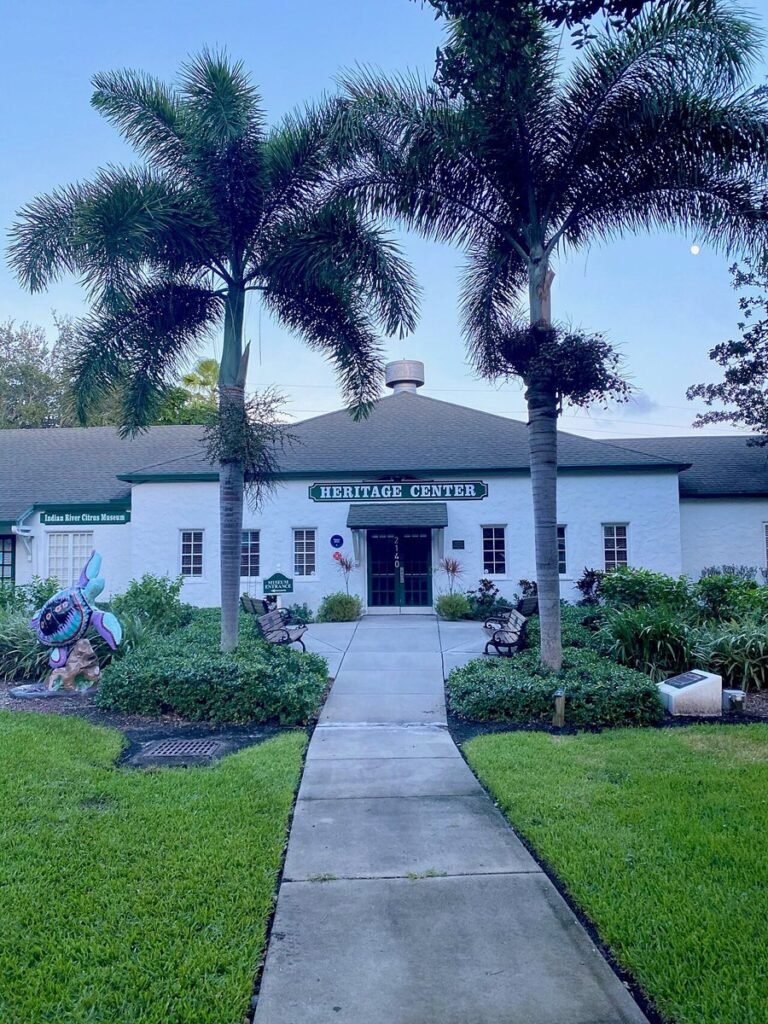
The amphitheater discussion had a different character. Council members and staff talked about its relationship to the Heritage Center, the available space and whether a survey could establish how the components would fit. The city manager described laying out the elements to scale and examining grades. The minutes also record talk of doing work in sections and of possible private help. These details make the idea more concrete, but each still leaves an unanswered question about cost, funding or design.
One useful way to read drawings in a packet is to take a sheet of paper and mark which features the accompanying motion actually names. An attractive element can appear in a long-range illustration without funding for installation in the first phase. Conversely, preparation for a future feature can be part of an early contract even if the feature itself is deferred. The survey, the requested direction, an appropriation and construction drawings might each refer to the same spot while authorizing different work there.
Write down the verb before reporting the vote
For a formal action, find the motion, any amendment and the recorded disposition in the minutes. Record the item number as well as the date. “Discuss,” “authorize negotiations,” “approve a purchase” and “accept completed work” answer different questions. If the recorded action is direction by consensus, describe that direction in the terms the record supports. When a speaker proposes something during debate, resist converting the suggestion into an action just because nobody immediately objected.
Minutes also give you a way to make an honest interim report. You might establish that staff discussed an equipment quote and were checking fence alternatives while the amount ultimately paid remains unknown. You can say exactly that, link the meeting and invite readers to a later purchasing record. Someone who attended the meeting may remember an enthusiastic response to a drawing. That recollection can help locate the relevant passage or video, but the written instrument still matters when the question is whether the city committed money.
Follow the next piece of paper
Keep the meeting record with whatever later document answers your original question. For the fence, that might be a selection, specification or order. For a stage, it might be a scaled layout followed by a separate funding decision. For the playground equipment, it might be an agreement and a payment tied to its delivery. A resident interested in when a child can use a playground needs yet another fact, the opening or acceptance of the finished facility. Tracing that chain allows a public discussion to stay useful long after the meeting ends.