In West Wabasso, “sewer available” and “house connected” have different paper trails
Indian River County’s West Wabasso sewer instructions show how a property can sit near a utility project while its own connection still takes several steps.
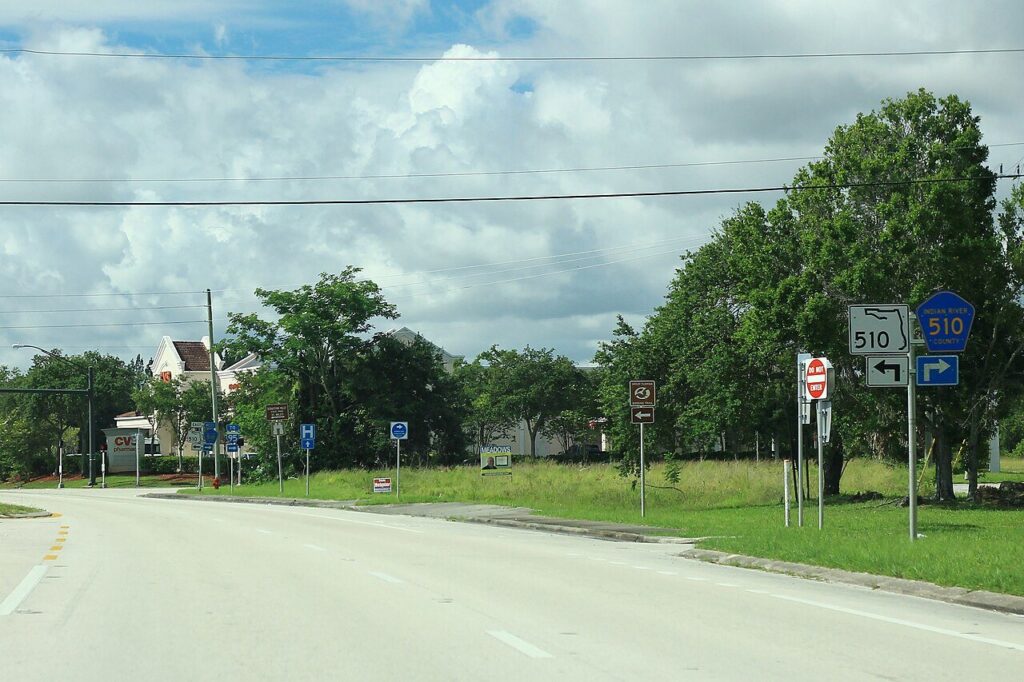
A county sewer line can make its way down a street while the homes along it remain at different points in their own utility histories. One family may have requested its connection costs. Another may already have paid and arranged the plumbing. A third may still use an existing system. To a buyer, the houses look much the same from the curb. The difference becomes apparent when someone asks what “sewer available” means for the specific address on a purchase contract.
Indian River County’s West Wabasso Phase 3 connection instructions illustrate the gap. In the circumstances the sheet describes, the process starts with a service availability request. The county then directs the customer to bring a signed, dated cost sheet and identification, apply for service, pay connection fees and follow instructions for the plumbing work. The existence of a public improvement is the beginning of this particular story about a house. It does not tell a buyer which step the owner has reached.
Ask a question the utility can answer for one address
Start with the parcel and service address, particularly on a street where a corner house faces a different road from its driveway. Use the county’s utility citizen portal or the utility office’s current contact information. Say what you are trying to distinguish. Is sewer available to this parcel? Does the utility show an existing sewer service connection for this house? Which records could support that answer and what information will the property owner need to provide? Those are more precise questions than asking whether the neighborhood “has utilities.”
Remember to name the service. A house can have a water bill, yet that bill alone does not answer where wastewater goes. Ask the owner to identify the sewer line item or supply relevant connection documentation, with private account or payment information removed. The West Wabasso sheet itself addresses circumstances in which sewer becomes available and the property is connected to water. It provides a useful reminder that water service and a completed wastewater connection are separate facts even when the same county department helps a customer with both.
The steps are specific enough to read like a calendar. A request goes in. Someone receives the county’s response. The cost sheet is signed and dated. The service application and payment come next, followed by the plumbing step. Put the documents the seller actually has in that order. If the newest is an estimate, ask about subsequent progress. If the newest is a payment receipt, ask about the physical connection. If the newest is a contractor’s invoice, inspect what work the invoice describes.
A project boundary and a plumber’s scope are different lines
No buyer should copy one West Wabasso household’s cost into a budget for another without asking the utility. A written cost sheet has a date and a parcel context. A plumber’s proposal has its own scope, assumptions and exclusions. For example, who is expected to deal with a driveway surface if it must be disturbed? What work is included on the house side? Does an existing system require separate attention, and what records describe its disposition? Those questions call for a site-specific answer from the people responsible for the work.
There is a practical reason to ask about earlier systems even after a sewer connection is established. A future owner might want to add a patio, change a driveway or remove a landscape bed. Knowledge of past underground work can change whom that owner calls before designing the improvement. Ask where the old and new work are shown and who has the completion documents. A sketch made for a seller’s personal use can help start a conversation. Treat it differently from a formal record identifying work performed and its location.
For a house sale under way while a connection is pending, write out the unresolved sequence in ordinary language. Who will obtain the current estimate? Is any work contracted? Has a payment already been made for this address? Who will have access if work takes place after the house changes hands? Take that list to the people handling the transaction to put agreed responsibilities into the appropriate documents. A listing description can remain perfectly accurate about availability while leaving the parties with very different expectations about a forthcoming bill.
What travels with the house
Imagine buying two nearby houses at different times. The first owner hands over a dated response, paid receipt, plumbing paperwork and a bill reflecting sewer service. The second hands over a map and the utility office telephone number. Both packages contain useful information. They support different conclusions. Keep the strongest sentence the evidence permits for each house, and resist borrowing the first property’s history to fill the gap in the second one’s records.
The county’s instructions also describe an in-person route through offices in Vero Beach and Sebastian. That matters for an owner who does not use the online portal, or a buyer helping a relative make sense of papers that arrived by mail. Confirm current office details before going and identify the project phase on the first conversation. The instructions address West Wabasso Phase 3. A county employee can direct a person outside that phase to the relevant process rather than applying another neighborhood’s sheet to the wrong address.
If the work coincides with a change of mailbox or street number, keep the parcel identifier on each copy. A utility may have used one form of the address and a contractor another. The same parcel and a recognizable description of the work can help later readers establish that both records concern the house they own.
For the household budget, keep at least two items separate. One is the cost of completing work or paying connection charges. The other is the amount billed for service once the arrangement is operating. Ask for current estimates from the responsible parties, including what they include and the dates for which they apply. A single monthly figure and a one-time improvement answer different questions. Readers comparing homes should also ask whether the quoted figure reflects this house’s recent use or merely somebody’s general estimate.
West Wabasso’s paper trail offers an unusually clear way to describe a transition that is largely invisible from the street. A main nearby, a response in hand, a paid fee and a working connection each mark progress. Pin the records to the correct house and keep the order straight. The resulting account gives a buyer something an attractive lawn and an underground line can never supply on their own: an intelligible history of how wastewater actually leaves that particular home.