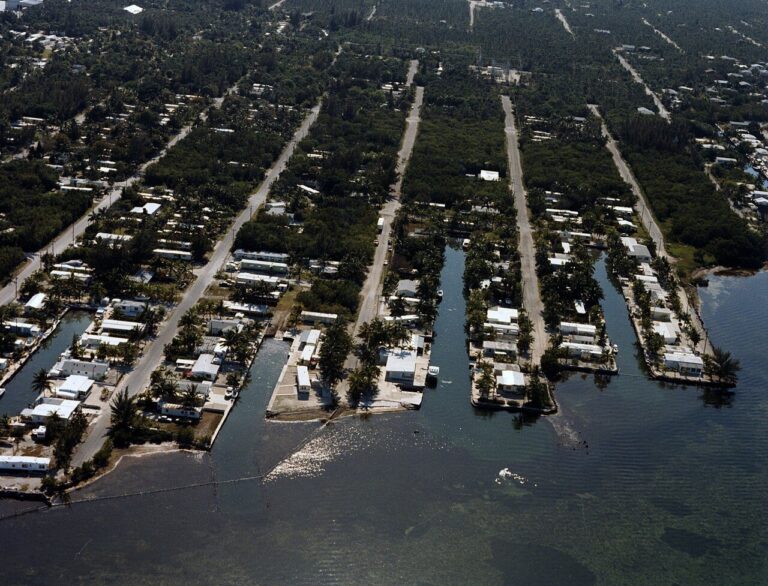
Could you live here with one fewer car? Take GoLine home from the showing
Use Indian River County’s GoLine schedules and a real return trip to weigh a Vero Beach home’s access to work, shopping, the beach and daily errands.
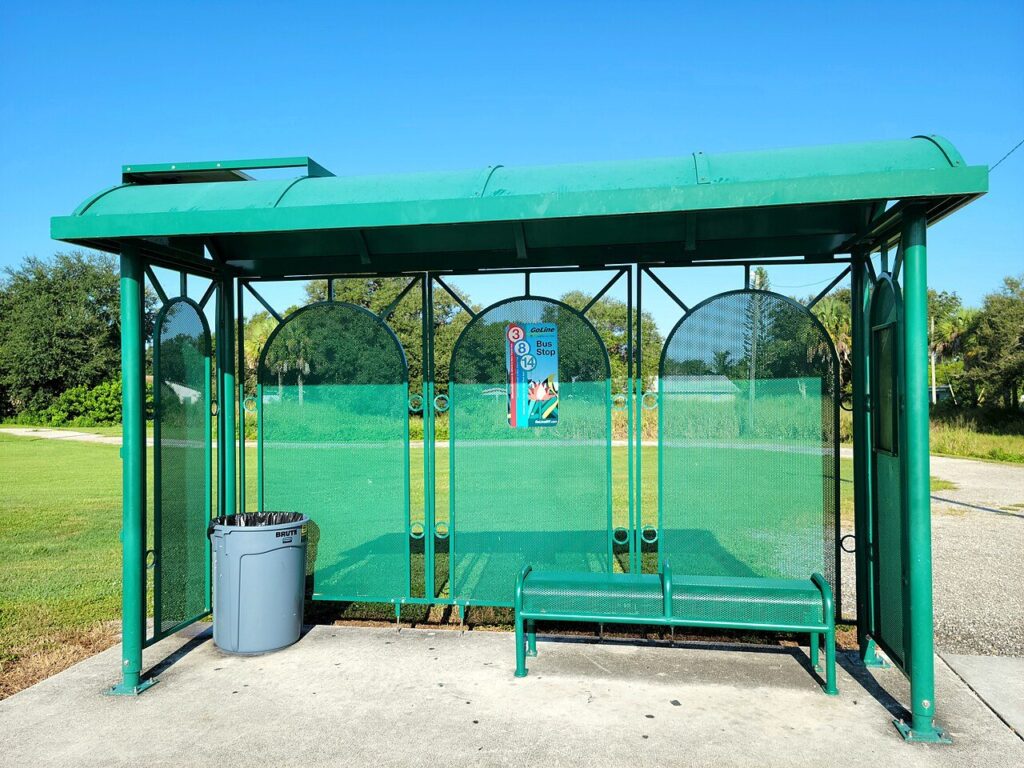
A home can be close to the bus on a map and still be a difficult place from which to finish a work shift, pick up a child or bring groceries home. The issue is often the trip back. Outbound, you choose when to leave the kitchen. In the other direction, the closing time of a shop, the end of an appointment or an employer’s schedule may choose the time for you. For a Vero Beach household weighing life with one fewer car, the return trip makes an excellent housing test.
GoLine identifies itself as Indian River County’s public bus system. Its website lists fourteen fixed routes, schedule links, maps, service information and a link to real-time bus locations. It describes different hours for weekdays and Saturdays. This is enough to go well beyond a listing’s vague “near transit” claim. Pick a particular home and an actual destination, then see what the published route, the walking approach and the timetable allow a person to do in both directions.
The name of the route is only a first clue
The Metropolitan Planning Organization’s 2025 transit development plan update provides a useful picture of how the network fits the area. Its route table, identified as effective in August 2024, linked beachside and the main transit hub via Route 1, serving locations including Miracle Mile and the beach district. It also described the Route 2 connection between the Indian River Mall area and the hub. Use the historic network description for orientation, then use the operator’s current timetable for an actual ride.
A place named in a route table can cover a sizable area. A bus near a shopping district might leave you on the other side of the road from the entrance you need. A residential building with an address on an arterial might have its pedestrian gate far around the block. In an apartment or condo, begin your timing at the unit door, descend through the building and use the actual gate. For a detached house, start where you would on a rushed morning, with whatever bag or equipment you normally carry.
Write down the stop in each direction. Do not assume that the return stop is directly opposite the one you used going out or that the crossing is in a convenient place. Notice where the sidewalk continues, whether a legal crossing takes you out of the straight line on the map and how an intersection feels to the household member who will use it. An extra crossing may matter little to one buyer and decide the question for someone pushing a stroller or using a mobility device.
Choose the trip that would genuinely replace a drive
An interesting outing to the beach is a good test of a beach trip. It is a poor substitute for the timed journey a household member must make to work five days a week. Choose a start time that reflects reality. Work backward from the time you need to be inside the building, include the walk at the far end and choose the bus you would actually have to catch. A small amount of flexibility at the destination can change which home locations work.
Now choose a return departure that follows the activity you came to do. A medical appointment could run past its planned end. A grocery trip includes checking out and carrying bags from the store to the stop. Work can occasionally run late. Identify the next available return option after the one you expect to take. If missing the preferred bus would mean missing the last useful connection, record that alongside the nominal travel time. A short ride and a dependable round trip are different housing advantages.
Transfers deserve their own trial. The planning table shows several routes meeting at the hub, but a line crossing another line on a diagram tells you very little about the waiting time at your chosen hour. Read the times in sequence for the relevant direction and day. Look at the actual places where you get off and board again. If one rider in the household needs extra time between stops, build that into the test rather than treating an optimistic map estimate as a promise.
Try the address under the conditions your household faces
Weekday and Saturday service patterns deserve separate attention. Select the exact timetable for the day you would travel and verify service for holidays or other unusual days directly with the operator. A home that works wonderfully for a daytime shift may present a different picture for someone finishing late on a Saturday. GoLine’s rider information is a starting point for questions about how to use the service. For individual access needs, review the operator’s accessibility resources and speak to staff about the particular trip.
Weather changes the trade-off. On a fair morning you may happily add a long walk at either end. On another day you may be carrying goods that need to stay dry or be waiting with a relative who needs somewhere to sit. Observe the actual approach and waiting areas at each stop. A property brochure can describe nearby amenities accurately while saying nothing about the experience of carrying a week’s groceries between one of those amenities and the front door.
The household budget should reflect the trips the network can realistically replace. Separate recurring journeys that worked during your test from ones that would still require a car, a hired ride or help from somebody else. Include what happens when two people need to travel at the same time. A household does not have to replace every drive for a well-situated address to be valuable. It does need an honest picture of which person will make which journey, how often and at what time.
If two otherwise similar homes are on the same bus route, time them separately. The first might have a shorter walk to the outbound stop, the second a much easier walk with shopping bags coming home. Recording those times for both directions gives the whole household a fair comparison even if only one member rides every day.
Finally, take the bus home from a viewing if the schedule permits. The map and timetable explain the network. The actual trip reveals the last turn into the property, how a bag feels on the final walk, and whether you arrive with the amount of time you expected. Those small details can give a prospective resident more insight into the practical value of a Vero Beach address than a long list of destinations measured only in driving miles.