A Vero listing says “new roof.” The permit file can tell a more precise story
Indian River County’s permit file can help a buyer distinguish a roof application, issued permit, work scope and inspection from the year on a listing.
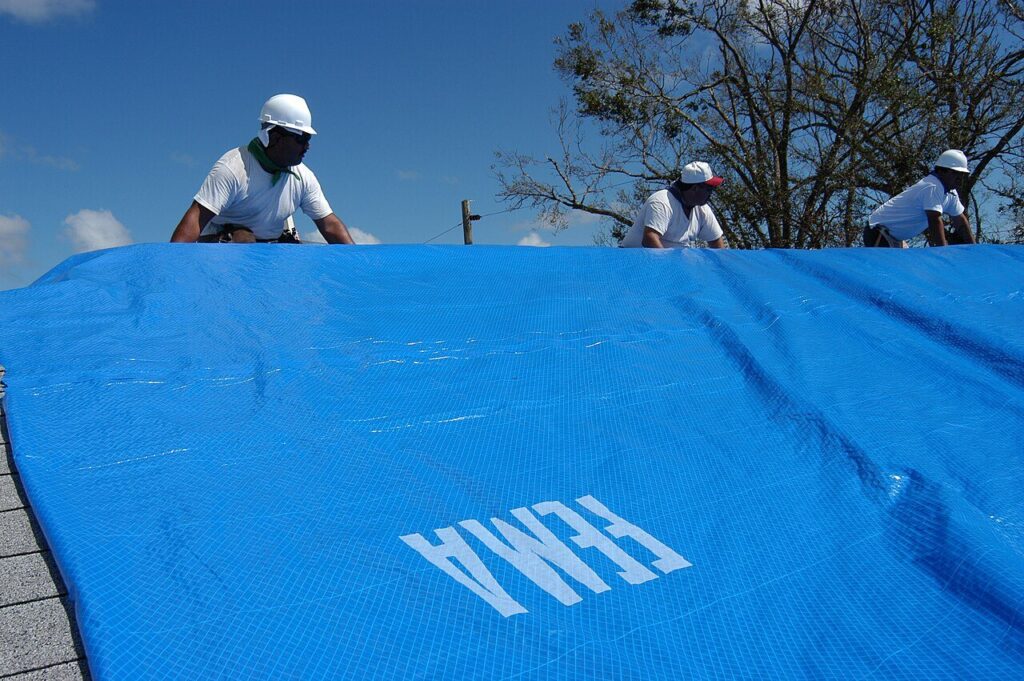
The roof on a Vero Beach house can have several plausible birthdays. There is the day its owner applied for a permit, the date a contractor says the work finished, the date an inspection took place and the year a seller remembers paying a bill. Each can be an honest answer to a different question. When a listing pares the whole sequence down to “new roof,” the buyer’s most useful first move is to identify the roof and the piece of work the phrase describes.
Indian River County publishes a citizen permit portal and a guide to its permit process. The guide distinguishes review, routing, fees, issuance and inspections. Each is a stage at which information can enter a file. A screen showing that an application exists can be an excellent lead. It takes further reading to tell whether that particular job progressed to a completed inspection and exactly what a reviewer or inspector recorded.
One address can have more than one roof
Think about a low house with an attached garage, a covered patio and a small detached building. From the street, one expanse of shingles may dominate the photograph. Around the corner, a lower section might have a different material or an entirely separate construction history. A permit description naming the patio or an accessory building should not silently become the installation date of the house’s main roof. Start with a rough sketch of the structures you saw and keep their names alongside the search results.
Search the street address and compare the result with the property’s identifying information. Street direction, spelling and unit number can make a difference. For a condo building or a townhouse development, try to establish who is responsible for the surface overhead and whether work appears in association records. The permit may be associated with an overall building address while the real estate listing describes an individual unit. When the search returns nothing convincing, establish the issuing jurisdiction and ask the building office how it indexes older or related records.
The county publishes a roofing scope of work application. Its very existence illustrates a valuable distinction. The project category gets you into the right drawer. The scope describes the job the applicant proposed. Look for the building, surface area or section described, the material and any referenced attachment. If a label on a search result and an attached scope seem to describe different projects, save both and ask the issuer which version controls.
Where the clock starts depends on the question
An application date can help establish what someone intended to do at a point in time. Issuance shows the file progressed to a different stage. Contractor invoices can describe materials and charges, and inspection entries report what the inspector recorded for a particular visit. Put those dates in order on one sheet. If a listing uses the following calendar year, a December application and a January inspection might explain the discrepancy without anyone having remembered the wrong house.
Read each status in context. A record that shows an inspection was requested gives you a reason to look for the result. A result that identifies a correction gives you a reason to look for the follow-up. If all you have is a partial printout, ask for the rest of the file. The local building office can explain the meaning of its own entries. A buyer does not need to assign fault or guess how a contractor responded in order to request a missing piece of documentation.
Keep two separate questions for the seller. What part of the roof was last replaced, and what evidence is available about its condition now? A completed document can help with the first. An independent inspection of the current building can inform the second. Rain, later alterations, maintenance and work on neighboring roof sections can matter after a permit file closes. In the opposite direction, a clean-looking roof in a recent sales photograph does little to establish its installation date or paperwork.
When a warranty, an insurer and a permit use different language
A contractor may describe an installation under the vocabulary of a particular roof system. A manufacturer’s warranty may name a product and spell out requirements for transfer. An insurer may ask its own questions about age, materials or evidence of replacement. Carry the actual files into those conversations. Ask the manufacturer or contractor about the specific warranty and ask the insurer what documents it will accept for the specific policy. A previous owner’s recollection of having “a warranty” leaves every important detail unresolved.
When there is an association, add another file to that conversation. Which buildings were included in the project? Did the association divide the work across several years? Are there invoices, minutes or completion records identifying the portion above this unit? Two residents may quote different installation years and both be describing their own buildings correctly. Roof work billed to a community in a single contract can still have more than one stage in the field. The address on the contract is a starting point for the question.
Before a second viewing, return to the listing with the best-supported sentence you can write. It might identify the permit number, the section covered and the last inspection shown. It might also say that a separate flat-roofed addition remains undocumented in the information you have. That sentence gives an inspector a clear assignment and the seller something concrete to clarify. It also gives the buyer a much better basis for comparing two houses than a pair of advertisements that each use the same two words.
One final detail can become important years later. Keep copies that show the property identifier and the original document date, alongside any invoice or inspection report the seller supplied. A file named simply “roof” may be impossible to match to the right work once a porch is rebuilt or the house changes hands again. The next person to ask when the roof went on will be able to see which answer belongs to which part of the building.
The permit number is particularly handy if a later job has a similar description. A reroof and a subsequent repair may both turn up in an address search. Writing the number next to the structure and the date makes it possible to hand another reader the correct inspection, even after the portal has accumulated several more years of results.