How Sebastian’s riverfront art festival reaches beyond one weekend
The January 16–17 festival brings art and music to Riverview Park. Follow its connections to Sebastian schools, a public mural and a City Hall painting.
Two days in Riverview Park are the visible part of Sebastian’s Riverfront Fine Art & Music Festival. For a longer view, follow the organization to places that stay put when the artists pack up. It identifies a mural at Tiki Bar and Grill, a Highwayman painting displayed at Sebastian City Hall and support for local schools among its contributions. That is an unusual starting point for a trip to an art fair. Instead of only asking what a visitor might take home, it invites a second question: what has the event helped keep in Sebastian?
The organizer lists the 2027 festival for January 16 and 17 in Riverview Park beside the Indian River Lagoon. Saturday runs from 10 a.m. to 5 p.m.; Sunday from 10 a.m. to 4 p.m. Both days start at the same time. The extra hour belongs to Saturday. Someone coming from Vero Beach with a lunch reservation and an interest in the music should use the program for the day they plan to attend before deciding how much time to set aside.
Three different ways money can stay in the arts
Buying something at an artist’s booth is the most direct transaction a visitor will see. The buyer chooses an original object or a particular edition, pays the maker or seller and takes the work away or arranges for delivery. Supporting the festival’s nonprofit organization is a different transaction. It can help make exhibition and performance possible or support the festival’s other work. And an application from a school or local group seeking assistance is a third relationship, with decisions made by the festival organization.
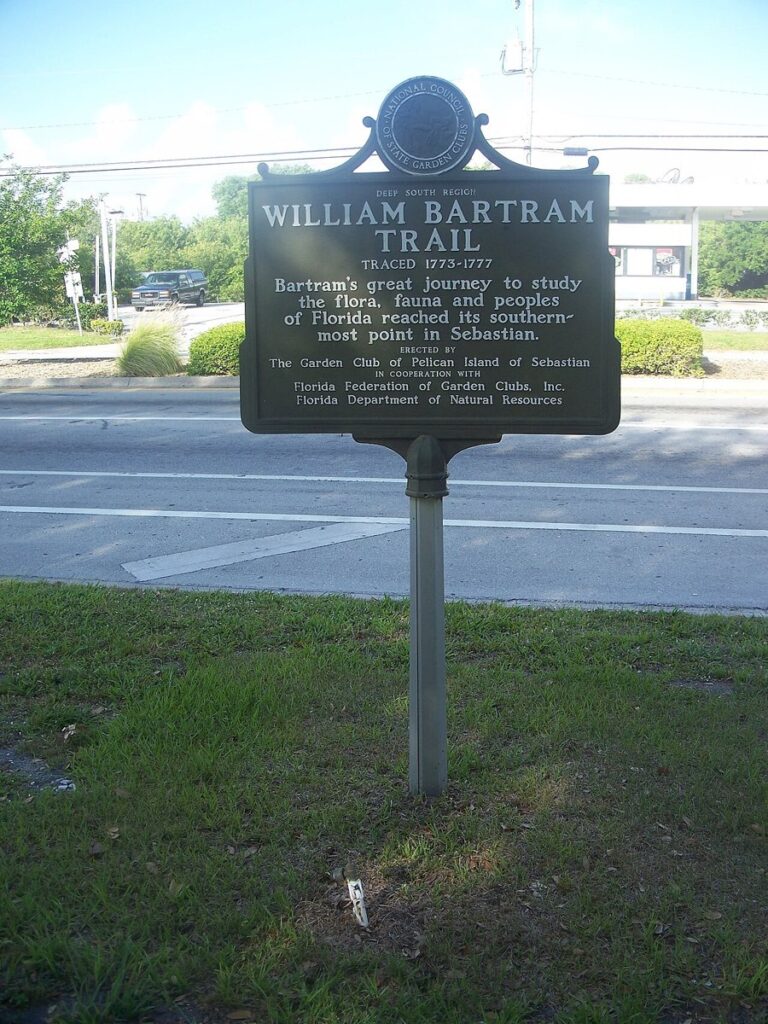
A fixed landmark can be easier to find after an afternoon of looking at temporary booths. The William Bartram Trail historical marker stands in Riverview Park. Set aside a moment to look for it, or use it as a meeting point after first locating it together. A piece of local history makes a better point of reference than a description of a tent that looks much like the one beside it.
These distinctions help make sense of the organizer’s list of past beneficiaries. It identifies Sebastian Elementary School, Treasure Coast Elementary School, Sebastian River High School’s drama troupe, the Sebastian River Art Club and others as recipients of donations or scholarship support. The list does not say a percentage of the price of every painting goes to a particular school. Its value is more concrete than a vague claim about supporting the community: it gives readers actual institutions to ask about and distinguishes between a weekend purchase and organized giving.
A group interested in becoming a beneficiary can find a donation request form on the festival site. Thinking about that process leads to another way of visiting with a student. Ask what it might take for a group to demonstrate that a request would give students a new artistic opportunity. Materials, a place to rehearse and an opportunity to present finished work are different needs. A child who recognizes the name of a local school among the beneficiaries may begin to see their own school performances as part of the same cultural life as the adult festival.
What a booth photograph has to do with the visitor
The 2027 artist application on ZAPP requires five images, including a booth image. It lists an artist application fee and allows up to two applications for the show. Those are entry conditions for exhibitors. A booth photograph tells the selection process something an isolated image of a work cannot: how pieces relate in scale and how the body of work will look when presented together. By the time the public walks through Riverview Park, artists have already made an argument for what their display will be.
Try looking at one booth from two distances. From outside, which pieces seem to belong together? From close in, which decisions distinguish them? Two drawings may share a subject but produce very different surfaces because of line weight, density or the spaces the artist left blank. Two photographs of a river can pull attention toward different things by placing the horizon high or low. Looking this way costs nothing. It can also lead to a more useful conversation with the maker than asking how long a work took and then moving on.
The organizer’s site includes artist categories and images as well as names of award recipients. Pay attention to the year attached to a roster. An artist featured for an earlier award helps illustrate the kind of work the event has recognized, but a past award does not guarantee a booth in January. A visitor hoping to buy a second piece from a particular maker should check the 2027 information or contact the artist directly. If a buyer is interested in a medium rather than a name, the distinctions in the online listings are a useful place to start.
Listen without treating the stage as a waiting room
Music is in the festival’s name, alongside fine art. Someone especially interested in hearing a performance should find the current music listing and set aside time to listen. A musician’s set unfolds in order; an artist’s booth can often be revisited while the festival remains open. That difference makes it practical for friends with different interests to spend part of the visit apart. Agree on a real meeting point, then allow the music listener a full set and the art browser some unhurried time. Both activities deserve more than the attention left over from the other.
Outside the event, there is an interesting contrast between festival work and public work. An object bought by a collector may end up in a private home. A mural can reach people who never made a decision to go see art at all. A work displayed at City Hall reaches yet another audience, including people there on ordinary business. The festival’s account connects those experiences without suggesting the public works are necessarily on the weekend’s route. If the City Hall painting interests you, confirm public access and office hours separately from the festival.
For a first visit, pick one small investigation. Follow a single medium through several booths. Learn the name of one school on the beneficiary list. Listen to a musician long enough to recognize how a piece changes. Then look back out at the water from Riverview Park before going home. The January dates tell you when to show up. The lasting reason to go is the opportunity to see how a painting, a performance and a local institution can each have a different claim on the same community’s attention.