Before the curtain at Vero Beach Theatre Guild, somebody has to find the hat
From building sets in garages to turning a church into a theater, the Vero Beach Theatre Guild has built its history around the work that makes a show possible.
Suppose the script calls for an actor to take off a hat and hand it to someone just before leaving the stage. The hat has to suit the character. It has to fit the actor. It has to reach the right place before every performance, and somebody may have to put it back during a short change between scenes. There are several perfectly good theater jobs inside that one gesture. For a Vero Beach resident who would like to join a production without auditioning for a role, that is a good place to start thinking about the Theatre Guild.
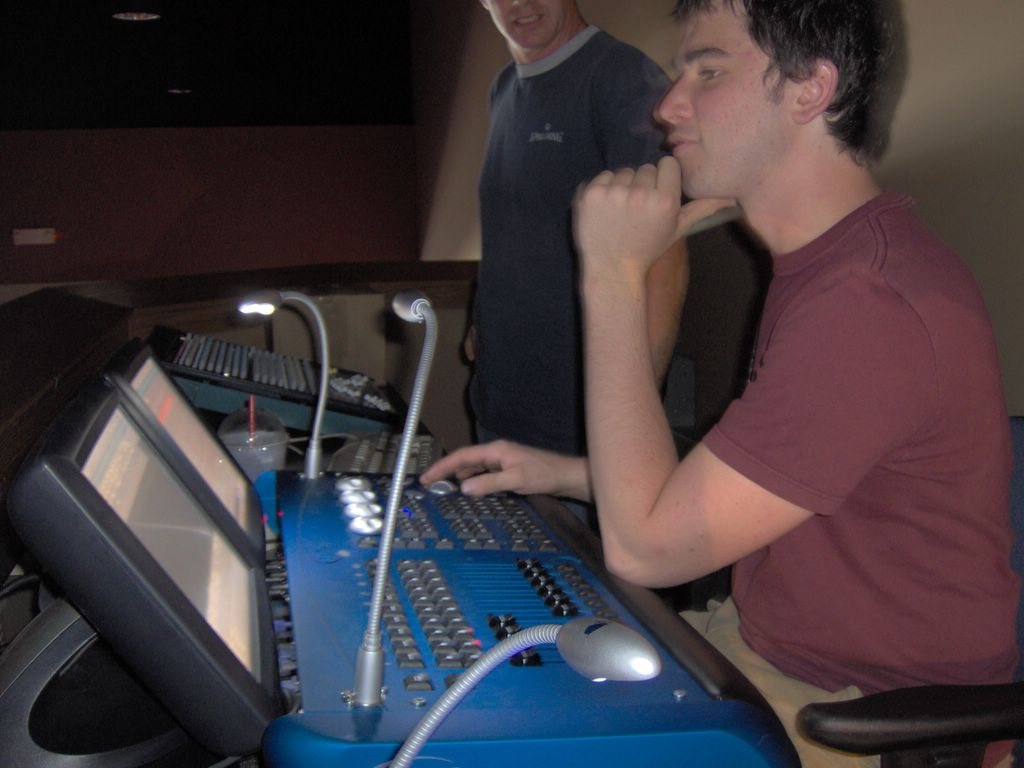
The Guild’s volunteer listings include costume and prop work, set building, wigs, makeup, marketing and the box office, among other tasks. That division of labor explains something about the organization that an evening in the audience can conceal. A successful show may make a hat, a doorway and an entrance cue seem inevitable. A community theater creates that effect out of the time and skills of people who may spend the rest of the week doing entirely different work in the same town.
Before they had a building
The Guild’s own history dates its founding to 1958 after earlier efforts by the Business and Professional Women and other groups. Early productions used the old naval base and local school stages. Sets were made and costumes and props kept in people’s garages. That is more than a colorful origin story. A company can put on a play without owning a theater, but it still needs somewhere to rehearse, build and put yesterday’s scenery until tomorrow. The people willing to give up storage space were helping define which productions it could stage.
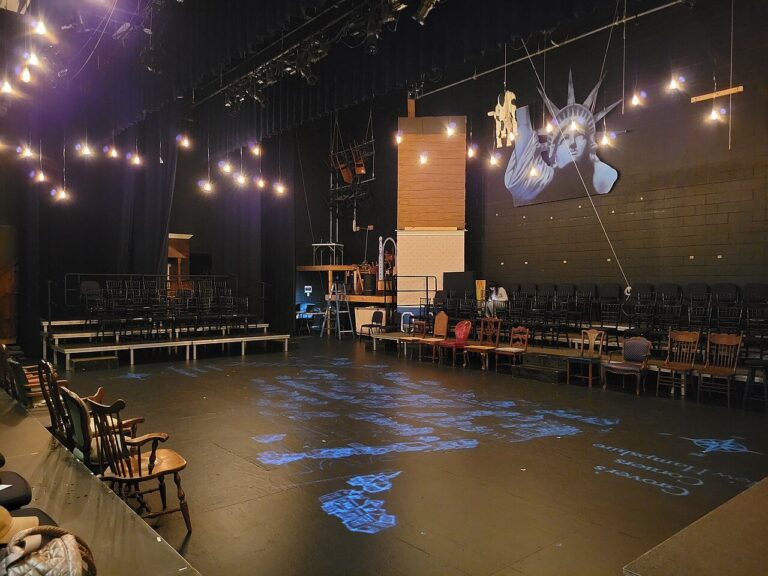
In 1964 the Guild obtained a long lease in Riverside Park and built a small structure there. It could rehearse and store materials in the park while still using the high school stage for performances. The distinction between a building that supports a production and a building where an audience sees it runs throughout the organization’s history. Space for a quick costume change may matter more to the feasibility of a particular play than a few additional seats in the auditorium. A room offstage can change an audience’s experience without the audience ever entering it.
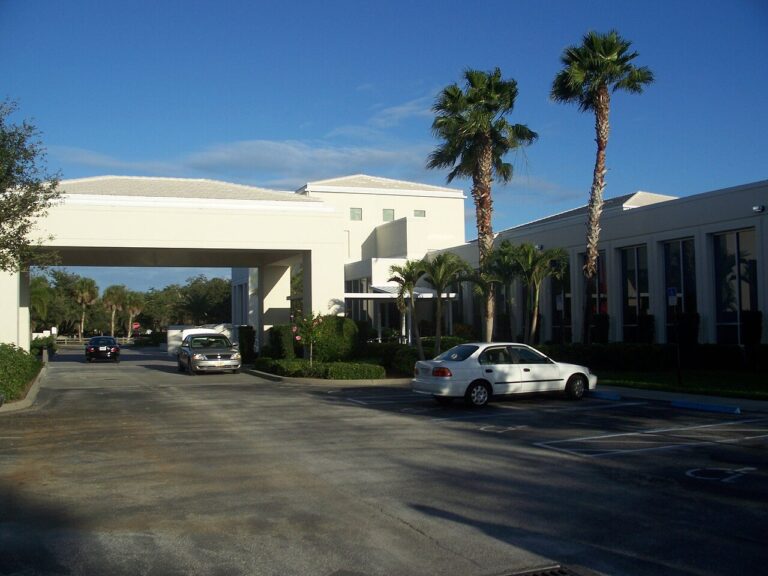
The Vero Beach Community Theatre opened in 1973 and later became Riverside Theatre. The Guild was its resident acting company for twelve years. In 1985 the organizations took different paths as the Guild moved to San Juan Avenue to pursue community theater. Volunteers turned a former church into its new home. The Guild puts the labor at 16,000 hours and records the opening production as John Loves Mary, a play from its first season. Riverside and the Guild have connected histories, but a current show or volunteer inquiry needs to reach the organization that is actually producing it.
A wardrobe job can mean several things
Read the current volunteer description for costume and prop work, and the sequence begins before anyone threads a needle. A production may need an existing item found in storage, a suitable substitute located through a donor or vendor, an alteration made, or a finished piece washed and returned after closing. Someone with a good memory for where things belong can contribute even if making a jacket from scratch is beyond them. Someone who sews can explain what work they know well and how much time a difficult alteration is likely to require.
If you are considering such a role, give the coordinator a concrete example instead of writing simply that you love clothes. Perhaps you can shorten a hem, repair a fastener, keep an inventory or match an item in an old photograph to one already in stock. Distinguish what you can do independently from what you would like to learn. A stage costume may be used repeatedly under lighting, handled quickly or shared across performances. The ability to make a tidy repair on household clothes is valuable, and asking how it will be used on stage makes that skill more valuable still.
Front of house tells its own story
The Guild also asks for help answering calls, taking reservations and giving directions. An evening at the theater begins quite a bit earlier for someone coming from out of town, or for a patron figuring out which entrance to use. A box office volunteer gives the visitor a human point of contact with a small organization. The Guild even notes that knowledge of area restaurants and hotels can be useful. Someone who has never built scenery but knows Vero well already has a kind of local expertise that can support a production.
Marketing and playbill work call for a different kind of accuracy. It matters which name belongs to which performer, on which date a run opens and which graphic can be read from across a lobby. A volunteer comfortable with layout might like to prepare a sample with fictional copy to show the kind of work they can do. Sending old customer lists or proprietary art from a day job is unnecessary. The idea is to make your skills legible to the team leader, who will know better than an outside applicant what the coming production actually needs.
Choose a commitment that fits the production
Making a set, taking it apart after a run and maintaining it between performances are related jobs with different calendars. Someone able to give a Saturday morning may be a good fit for a work session and a poor fit for a position that requires a run of evening calls. The reverse can be true for someone whose weekdays are full. When contacting the Guild, specify actual availability, relevant experience and whether you can stay with one show for its entire run. Let its production leads determine the suitable task and any training.
As for that hypothetical hat, consider how few of its journeys an audience sees. It moves from a shelf or donor to the shop, to a rehearsal, through a performance and finally back to storage. The visible handoff lasts a few seconds. A community company can repeat it convincingly because people have agreed to take responsibility for all the other steps. For a newcomer to Vero, helping with one of those steps may be a better introduction to the town’s theater than watching from the same seat for an entire season.