The sales pitch on the end of a Vero Beach citrus crate
Read a Vero Beach fruit label like a piece of commercial art, then follow the growers, shippers and places behind the picture at the Indian River Citrus Museum.
An old citrus label fits comfortably in a picture frame. It once belonged to a very different rectangle. Pasted on a crate of fruit, the label addressed a person who had to recognize a brand quickly, possibly at a distance, among many other crates with similar contents. That original job explains some of its appeal now. A packer had little use for a design that needed a lengthy explanation. A historian can spend a long time with the information its designer made so easy to take in.
Consider a Vero Beach example that you can find without owning an original. The State Library of Florida’s catalog record for the Flo Brand label connects it to the Oslo Citrus Growers Association and the Indian River Citrus Sub-Exchange. The archive supplies the place, Vero Beach, as well as the commercial name. A collector might remember just the brand. Someone researching a family member’s work in a packinghouse will want the association. A local reader can begin with the geography and find the business names later. All three have approached the same piece of paper with different, perfectly reasonable questions.
What a brand could tell the buyer
Imagine the sales problem from the packing side. The fruit inside cannot identify its shipper, and opening a crate to sort through its contents defeats much of the purpose of packing it. A large name, a memorable image and a place together make the package easier to recognize. They can also make an orange packed in one town feel different from an orange packed somewhere else, even to someone who has never been to Florida. The label traveled with the fruit. Its picture could introduce Indian River country to people who had encountered the river only as words on a box.
Florida Memory’s overview of its crate-label collection puts that commercial art in context. It preserves more than 600 Florida labels and traces the spread of illustrated produce advertising after citrus production recovered from the great freezes of the 1890s. The collection’s dates run from the 1920s through the 1950s. This is an archive of packaging that happened to survive, rather than a complete inventory of everything that ever left a packinghouse. One surviving example establishes that a label existed. It cannot, by itself, identify the most popular brand in a given year.
Read the lettering at two distances
Try opening a label on a screen and reducing it until it is about the width of two fingers. Write down the word you can still read. Then enlarge it and see what smaller lettering appears. The exercise reconstructs two kinds of reading, the glance that helps somebody recognize a package and the closer inspection that identifies who put fruit into trade. On the Flo example, keep the short brand name separate from the growers association and sub-exchange the catalog identifies. Calling all three names the farm erases an important part of the transaction.
Then turn the test around. Cover the large brand with a piece of paper held in front of the screen. Can you identify the place from the remaining lettering? Can you identify what the box was supposed to contain? If the answer changes when an illustration or a line of type disappears, you have learned something about the division of labor within the design. It may be the least decorative part of a label that gives the most useful clue to a local historian. Transcribe a name as it actually appears before searching for variations.
The building adds another scale
In downtown Vero Beach, the Indian River Citrus Museum displays labels alongside photographs, memorabilia and artifacts. Those neighbors restore a sense of scale that an online label can lose. A label suggests an attractive finished product. An implement can suggest the repeated gesture behind that product. A photograph may show where people stood relative to fruit, containers or machinery. Read its caption before deciding which job a worker did. A picture of packing work cannot tell you an individual’s name or employment conditions unless other evidence supports those claims.
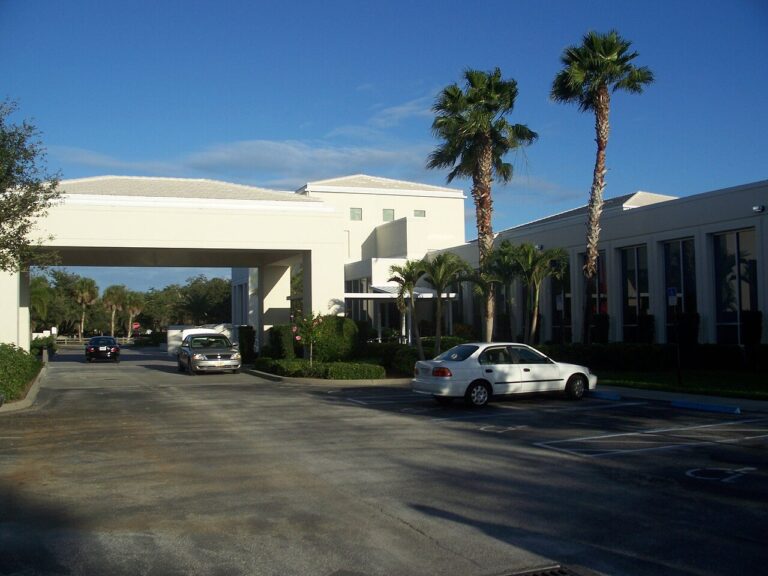
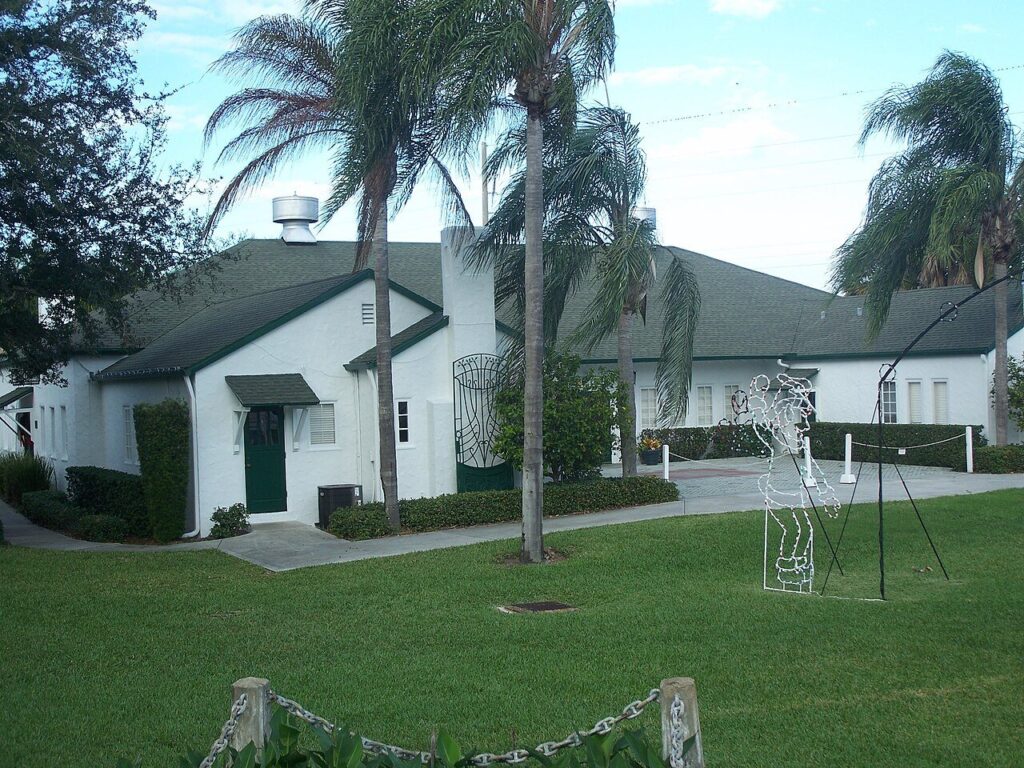
The museum shares its home with the Heritage Center on 14th Avenue. Vero Heritage’s building history traces it to a city and federal relief partnership in the 1930s, and describes its use as a servicemen’s center during World War II and a community campaign that saved it from demolition. The museum interprets the citrus business inside a building with a civic story of its own. That distinction matters if you are picturing a visit to an operating packinghouse. Here the visitor is looking at selected evidence gathered for public interpretation, in rooms that served other purposes.
Make an identification that someone else can check
People sometimes inherit labels without any information beyond a family story. Start with photographs of the whole front and the back under even light. If the paper is already mounted, leave it there and record what is visible. Include a ruler beside the piece without setting anything on it. Record the brand, the wording about the product, any packer or printer identification and the town. Keep the family story in a separate note with the name of the person who told it. The account of where an item hung in a house may be certain even when nobody remembers how it came into the family.
Use the state collection to compare the spelling and layout, and save the record number alongside the link. A match in brand name is a promising lead; compare the other wording and proportions before calling it the same design. Labels can be reproduced, and an image of an original cannot authenticate an object on your kitchen table. For an inquiry to the local museum, the most productive starting point is a specific question about something legible on the paper. “Do you have other material connected to this association?” gives the staff more to work with than a request to tell the entire history of an unidentified box.
The payoff is a richer sense of what Vero sent out into the world. The fruit was perishable. The paper could be saved. Between the local collection and the state catalog, a small scrap can recover the name of a business, the geography of a shipping region and the designer’s solution to a very practical problem. The next time a decorative label catches your eye, look below the brand. Someone put those smaller words there for a reason.