Two acres do not always make two buildable lots in Indian River County
A buyer counting on a second home site needs more than extra acreage. Check split history, road frontage, surveys and planning sign-off in Indian River County.
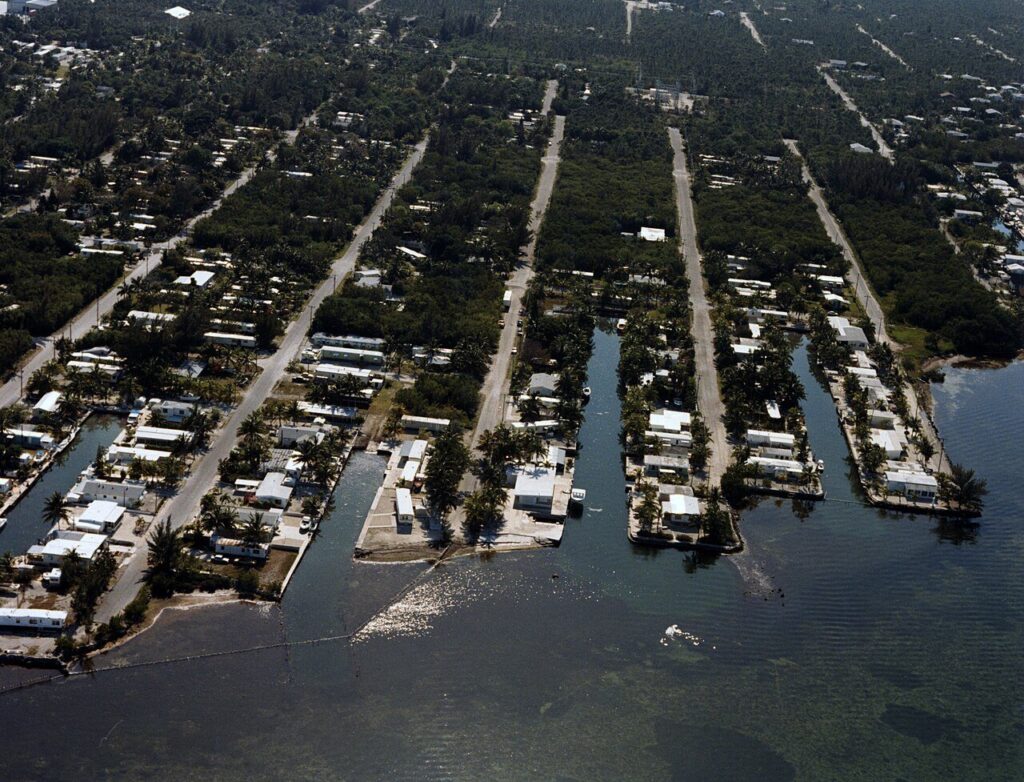
A buyer considering a large Indian River County property may see the same opportunity twice: room for a house today and another parcel to sell later. That second possibility can materially affect what someone is willing to pay. Yet drawing a line down the middle of an aerial photograph proves very little. Both resulting parcels need a legal basis, suitable dimensions and qualifying frontage. Existing buildings, the property’s history and even the wording of a mortgage can complicate what looked like simple arithmetic on a brochure.
The county’s planning office and the property appraiser handle different parts of this question. Planning determines whether a proposed configuration meets the applicable rules in its jurisdiction. The property appraiser maintains parcel records for the tax roll and requires documentation before changing them. If the property lies inside a municipality, the relevant city or town planning office becomes part of the inquiry. The postal name “Vero Beach” by itself is insufficient to decide who reviews the proposed boundary.
The date that changes the first question
The county planning FAQ describes a one-time split without subdivision platting under specified conditions. The parcel must not have been split since July 23, 1983. Each new lot must meet current size requirements, and for a lot inside a subdivision the split must not create the subdivision’s smallest lot under the condition described by the county. The office also points to zoning area and width requirements and environmental health dimensional standards. Ask planners to evaluate the actual history and proposed configuration before treating the one-time route as available.
A present-day parcel can appear large because several portions were joined after the subdivision was laid out. An aerial image is unlikely to explain when a former boundary disappeared or why. Ask the seller for prior surveys and conveyances, and identify any earlier lot split or combination. Dates from the property records give the planning office something specific to evaluate. A statement that a family “always owned both sides” may be entirely true while leaving unresolved whether the lot experienced a formal split after the county’s cutoff.
Width and area should be checked separately for both proposed parcels. A corner cut from a large tract can contain enough total square footage and still be too narrow in the location where width must be measured. A division that gives one side a broad front edge can leave the other with a short one. Identify the actual zoning district and use its applicable dimensional requirements. Two lots within the same county can have different minimums, and two drawings with the same total acreage can produce different outcomes.
Frontage involves the legal character of the road
The county says each resulting lot must front a dedicated public right of way, a private platted street right of way, or a road historically and currently maintained by the county as reflected on its grading map. That condition deserves special attention on rural land. A visible track leading to a rear field can provide physical access without answering whether the tract has the kind of frontage the county requires. A gate, a gravel surface or the seller’s years of driving a route are observations about use, not definitive evidence of the road’s status.
Consider two layouts for the same acreage. One divides the existing street frontage between two side-by-side parcels. Another gives the entire front edge to the house and puts a proposed second parcel behind it. The second plan may look appealing because each household would have more privacy. It raises a different access question, however. Before buying on the promise of a rear home site, ask a surveyor to show the proposed boundaries and road relationship and ask the reviewing jurisdiction how the frontage requirement applies.
A former pair of platted lots presents another situation. The county says previously unified lots may be separated back to their original pattern if existing structures would meet required setbacks and the change would not leave an accessory structure on a lot without a principal structure. A detached garage that worked perfectly well as part of one homesite could become an issue when the old line is restored. Put the garage, shed, house and other improvements on the survey before assuming an old subdivision drawing settles the question.
The property appraiser needs a usable description
The property appraiser’s split and combination instructions tell owners to consult the appropriate community development office first. For land described by metes and bounds, the requested survey must provide a sketch and legal description defining each new parcel. In a platted subdivision the reviewing staff determine whether a survey is necessary. The appraiser explicitly says it will not draft the property descriptions. A hand-drawn line on a screenshot can communicate an idea to a professional, but it cannot replace the legal description the office needs.
Only a current owner or authorized representative can sign the appraiser’s form. Prospective buyers cannot simply submit a signed request and assume that the land will be split by the time they close. The appraiser also works within the tax roll calendar. It accepts requests during the year, but the calendar affects which year reflects the updated parcels. Distinguish the timeline for an entry in the tax roll from the planning decision about the land and from whatever the purchase contract requires the seller to deliver.
Mortgages and private restrictions merit a separate review. The appraiser warns that changing mortgaged property may affect the loan and places responsibility for prior approval on the owner. Its instructions also call attention to restrictive covenants. A favorable planning answer does not tell a lender which portion of the security can be released or rewrite a recorded private restriction. A buyer whose financing depends on selling a second parcel should have the title and loan documents examined while the offer can still address that uncertainty.
The practical outcome is a short list of evidence for each proposed lot: its dimensions, qualifying frontage, history, structures and written review by the proper authority. If one part is unresolved, express that clearly when comparing the price with an already established buildable lot. Extra acreage can be valuable for privacy, a garden or room around a house. Its value as a second homesite rests on the land the buyer can lawfully create and use, not the number of acres printed on the listing.