Buying an Indian River County home on a well starts at the tap
A well permit and a water test answer different questions. Learn which Indian River office has the records, how its lab works and what to ask before closing.
A buyer looking at a private well should ask two questions that sound alike until the paperwork arrives. Was the well built and maintained under the applicable permit? What does a recent test say about the water the household will actually drink? Indian River County’s environmental health office can help with both, but one answer does not supply the other. A permit locates a piece of infrastructure and describes authorized work. A laboratory result concerns a particular sample collected at a particular place and time. They make sense together only when the buyer knows which well supplies which tap.
Begin at the house rather than the pump. Ask the owner which supply serves kitchen and bathroom fixtures and what serves irrigation. A property can have utility water inside and a private well for outdoor use. A property with a household well may also have treatment equipment between the well and indoor fixtures. Write down what the owner says and ask where the corresponding equipment, permits and service records are. A reference to “well water” in a listing leaves all those distinctions open.
Follow the local permit jurisdiction
The Florida Department of Health in Indian River County explains that, under an agreement with the St. Johns River Water Management District, its local office oversees wells less than six inches in diameter. The district retains responsibility for wells of six inches or larger. The dividing line concerns well diameter. The size of a visible pressure tank or the width of a pipe entering the home cannot by itself establish which office issued the permit. Look for the well construction record and ask the office to help identify it if necessary.
The local health department says construction, repair or abandonment of a well under its jurisdiction requires a permit in advance. The owner or a licensed water well contractor acting for the owner can submit it. This matters with an older property where the present owner remembers a replacement well, but the only document in the file is for the original installation. Ask which well remains in use and whether the abandoned one has a corresponding record. The agency explains that proper abandonment helps prevent an unused well from becoming a route for contamination into groundwater.
The county health department also provides an online records search for onsite systems and wells. Choose Indian River County and search by the address or the tax parcel identifier used by the property appraiser. Read dates and document types closely. A site evaluation, construction permit, repair entry and final inspection can all concern the same property without describing the same work. If the dates do not line up with the system currently visible, ask the environmental health office what additional records might exist.
Arrange the test around the question
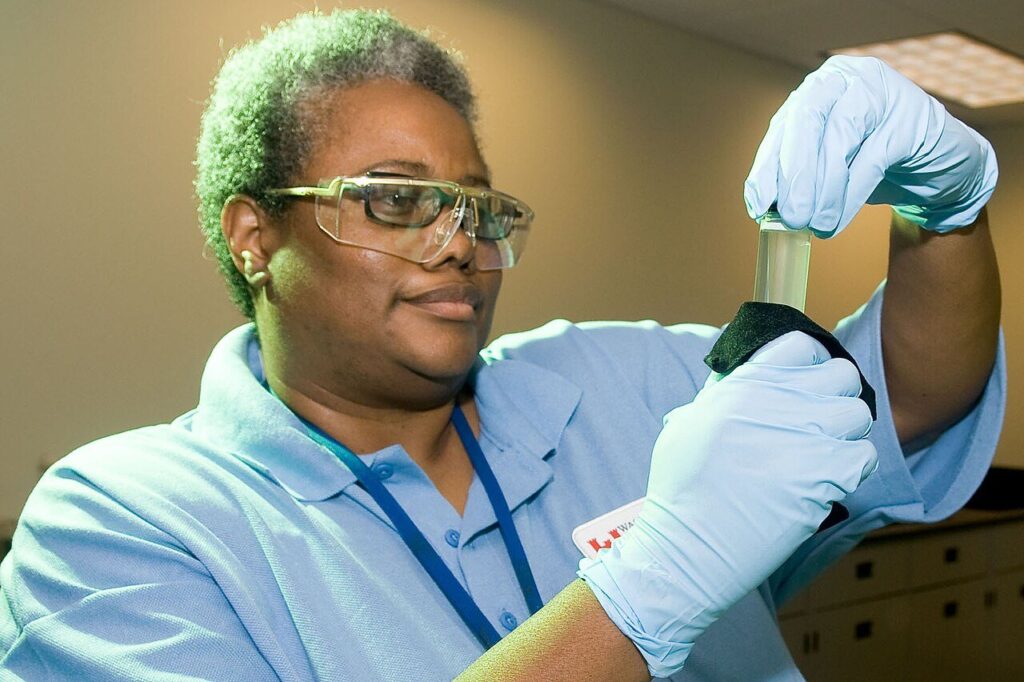
The local private well water testing laboratory analyzes drinking water for bacterial contamination. The health department recommends testing private well water for bacteria at least once a year. Its published fee is $35 per sample. It supplies collection containers and instructions, and staff can collect the sample for an additional fee. Use the laboratory’s instructions and obtain its container before collecting anything. A bottle filled at a showing before anyone speaks to the lab may have little value to the decision the buyer is trying to make.
Explain the property’s setup when asking the lab where to sample. A household may want to know about water leaving a kitchen tap after treatment. A contractor evaluating equipment may have a different reason to compare points before and after a treatment unit. Those are different questions. Label the records with the collection location, date and what was operating at the time according to the laboratory’s instructions. A report for “well at house” is harder for the next owner to interpret if there are two wells or several treatment stages.
A bacterial test addresses what the laboratory measured. The county notes that other contaminants may warrant additional testing depending on past or present land use. Local staff can discuss the question and identify certified laboratories for further analyses. A buyer wondering about a particular substance should ask whether the proposed test includes it. The fact that a sample looked clear or that one routine test showed no bacterial contamination does not establish the result of every other possible analysis. A qualified laboratory can explain the scope and limitations in ordinary language.
Fit the findings into the purchase
Ask for earlier reports if the seller has them and compare like with like. Two reports from the same kitchen tap may help document testing history. A result from a garden hose before treatment and another from a treated indoor tap concern different sampling points. Note any changes in equipment or repairs between those dates. If the laboratory identifies a problem, ask the health department and a qualified well professional about appropriate next steps and what follow-up sampling would verify a remedy. Avoid diagnosing the cause from a single line on a report.
The timing of a showing and the timing of a laboratory are rarely identical. If the contract has an inspection deadline, find out when containers can be obtained, when samples are accepted and when the lab expects to return a result. Plan backward from the deadline rather than treating a promised future sample as a completed test. The local environmental health office lists 772-794-7440 and 1900 27th Street in Vero Beach. An owner or buyer can use that contact to discuss both the record search and the testing service, while keeping track of which question has actually been answered.
For a property with an outdoor irrigation well only, preserve the paperwork for that well while identifying the utility that supplies drinking water. The county’s private laboratory guidance is written for users of private drinking-water supplies. Starting with the kitchen tap prevents the buyer from commissioning a test of a landscape supply to answer an indoor water question.
The records are useful after purchase as well. Store the well permit information, diagram of indoor and outdoor supplies, treatment records and dated results together. Someone arranging next year’s sample can then return to the intended tap and tell the lab what has changed. That is the practical value of doing the work before closing: a buyer gains a clear description of the household water system, the evidence already available, and a sensible point from which to continue caring for it.