Buying a Vero Beach house with solar means taking over more than panels
Buying a house with rooftop solar? Compare the local permit and roof attachment records with FPL’s steps for a new customer taking over an existing system.
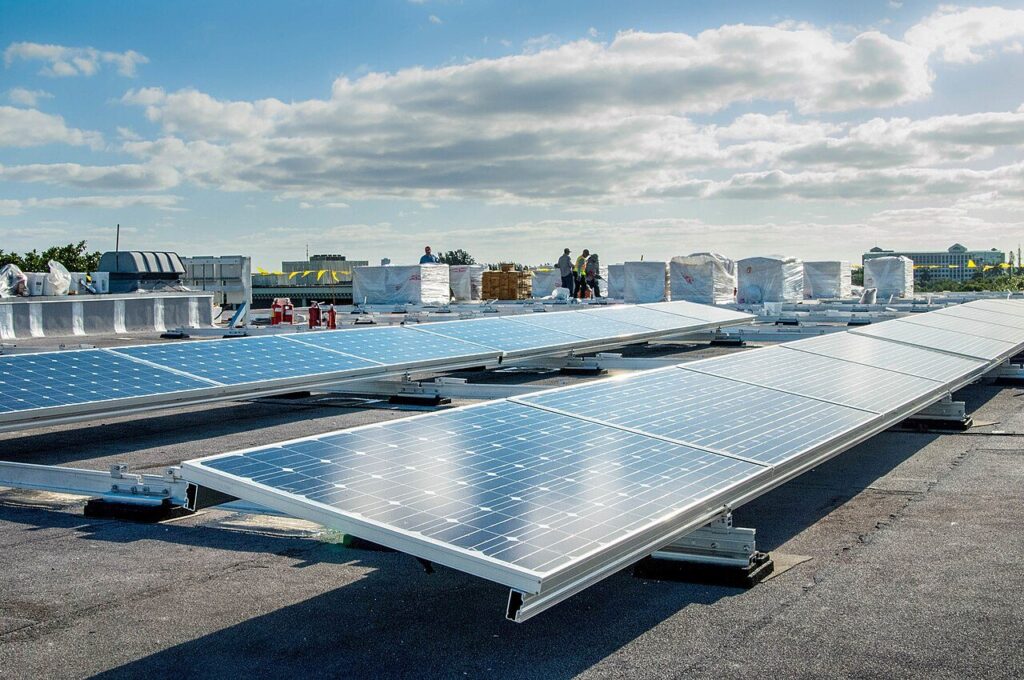
A Vero Beach house with solar panels comes with an obvious physical feature and a less visible set of records. The panels may be easy to see from the driveway. The details that affect a new owner sit elsewhere: the approved plans, the record of the roof attachments, the agreement that determines who owns the equipment and the utility account that receives credit for electricity sent to the grid. Asking for all of them before closing makes it easier to tell what is actually changing hands and what the buyer must arrange after moving in.
Start by identifying the electric utility on the seller’s bill. For a property served by Florida Power & Light, the utility publishes specific instructions for a customer moving into a house with an existing system. FPL says the new customer must apply for net metering and sign its interconnection agreement for customer-owned generation. An existing installation can simplify the application if it has not changed. The fact that the prior customer already had an agreement does not complete the new customer’s application.
Read the bill as a record of two directions
A grid-connected home can use the electricity its array generates while also drawing electricity from the utility at other times. FPL explains that the system’s output serves the home first. Excess can flow back through the meter to the grid. The meter measures electricity moving in both directions. This is why one small number on a seller’s bill cannot tell a buyer the total quantity the array produced. Some generation may have been used inside the house before it ever reached the utility meter.
Ask for bills over a meaningful period and, if available, the system’s production history for the same months. Consider what those numbers actually describe. A seller who spent much of the summer away may have used electricity differently from a buyer who will live in the house year-round. A pool pump, air-conditioning schedule or an additional household member can change how much generation is consumed on site. A seller’s actual bill is evidence of one household’s experience. It is a weak basis for promising a future bill to a household that will use the house differently.
The utility’s net-metering questions and answers explain how excess is recorded and identify the reserve shown on the bill. The utility also groups applications by system size, with additional requirements for larger systems. Record the rated system size from the documents rather than estimating it by counting dark rectangles in a roof photograph. Panels from different installations can have different ratings, and a system that was expanded later may no longer match the original equipment list.
Connect the panels you see to the local permit
The joint Indian River County and City of Vero Beach solar checklist requires site-specific plans signed and sealed by a Florida-licensed engineer. For a roof installation the plans must address whether the structure can support the system’s weight. They must identify wind design criteria, pathways, access points and setbacks and include electrical details. The checklist describes what an application should contain. The property’s own permit file shows what was actually submitted for that address.
Look at the dates of the plan, installation and any later roof work. If the seller says panels were removed and reinstalled when the roof was replaced, ask the installer and roofing contractor for the records covering that work. An original installation drawing may be entirely genuine and still fail to answer what happened during a later reroof. If a later addition changed where the array sits, compare the roof shape on the old drawing with the building as it stands. Discrepancies are questions for the contractor and building office to resolve.
The local checklist calls for a solar panel roof attachment inspection affidavit after installation and before scheduling the final inspection. That identifies two useful records to seek. The affidavit concerns attachment; the final inspection documents a separate step in the permit process. A deposit receipt, manufacturer warranty and statement that “the installer took care of it” each tell a buyer something different. None identifies the final inspection result by itself. For ground-mounted equipment, the county instead requires a site plan showing distances to structures and property lines and calls for planning approval.
Determine who can transfer what
The physical hardware at the property and the rights set out in its purchase, financing, lease or service documents need attention separately. Ask the seller for the actual equipment agreement. Have the parties handling the closing establish whether a balance, transfer process or third-party consent applies to this particular installation. A monitoring account and a warranty may each have their own transfer procedure. If a seller can open an app that displays current production, ask how the buyer will gain access after the seller’s login is closed or the internet account changes.
FPL distinguishes an unchanged existing system from one that has gained or lost equipment. For a new customer with an unchanged installation, the utility says detailed system information is unnecessary. If equipment is being added, it directs the customer to obtain the relevant inspection and upload a final or completed permit. This makes a precise equipment history worthwhile. “Solar was already here” is not enough if nobody can say whether the final row of modules was part of the system FPL originally accepted.
Before closing, put the records into three groups that answer actual questions: what the installer built, what the seller owns or owes, and what the utility approved for interconnection. Then identify the tasks that belong to the new account holder. An installer can explain the hardware, the closing professionals can review the ownership documents and the utility can address application status. For a buyer interested in the practical value of solar, reaching the right person with the right record is much more informative than relying on the most attractive bill in the seller’s folder.
A buyer comparing two solar homes can put the paperwork side by side. The newer array might have a shorter production history, while the older one may have better records of maintenance and output. That comparison reveals the remaining unknowns before either household’s savings are projected onto the buyer.
Keep the final plans, photographs and agreement together when future roof work is scheduled. Even a contractor who never handles the original installation may need to understand approximately where the panels, access paths and attachments were approved. Those records continue to be useful long after the utility finishes changing the account.