Why Indian River’s Sandridge clubhouse carried three different price tags
Indian River County’s Sandridge budget lists an $11.2 million construction price, a contingency and a larger project total. The bond ceiling is another figure.
If a person tells you Indian River County’s Sandridge Golf Club clubhouse cost about $11.2 million, ask which piece of paper they are reading. Someone reporting a figure closer to $12.3 million may be looking at the same construction job with the contingency included. A third person can cite a project budget of nearly $14.9 million. All three numbers appear within one county funding package. The difference has far more to do with what it takes to equip and open a clubhouse than with a sudden overnight change in the price of construction.
The county’s clubhouse project budget is a single sheet worth keeping beside the October 7, 2025 commission item on revenue bonds. The first document shows how staff assembled a project total. The second records a financing decision. Neither on its own is a contractor’s final bill after every item has been installed and accepted. They are particularly useful for answering a more basic question about what the county expected the golf operation to finance.
Look at the job a guest would walk into
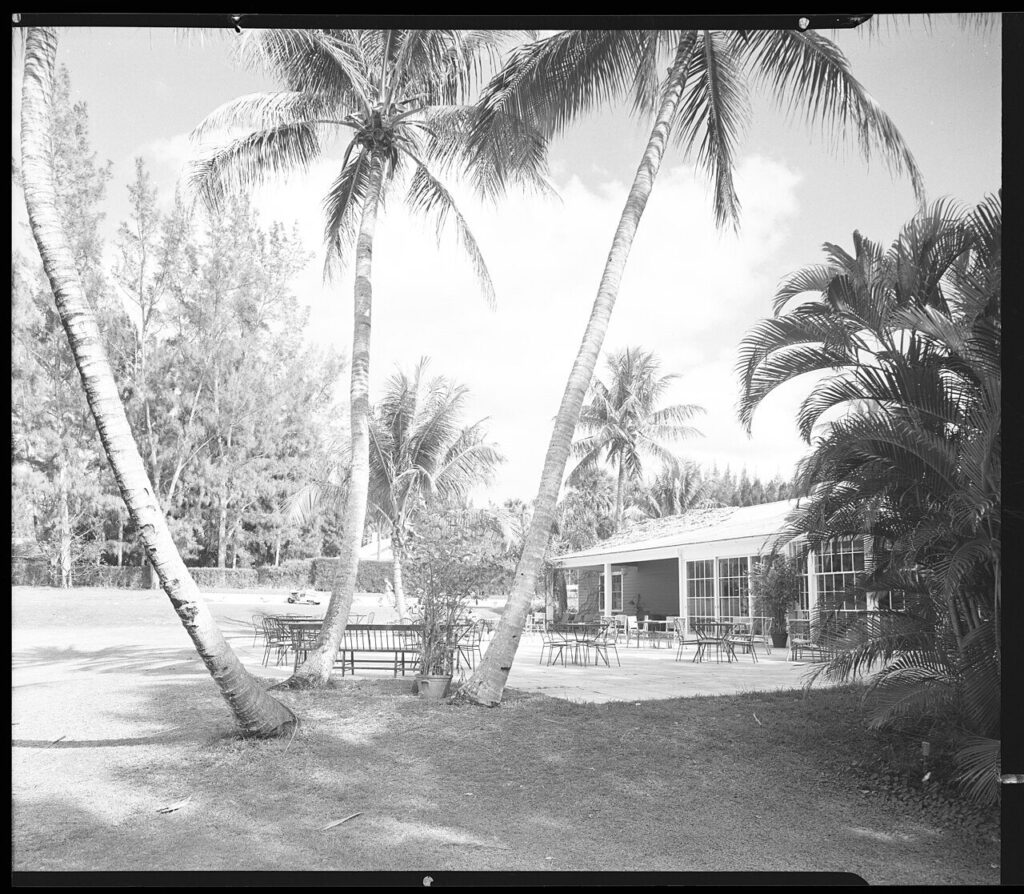
The county’s financial report for fiscal 2025 described replacement of clubhouse facilities constructed in 1992. The new project was to include space for events of up to two hundred guests and a restaurant seating eighty, with a kitchen. That proposal involves more than a roof over the pro shop. Imagine setting a banquet room for a public event: tables, sound equipment and a working kitchen all contribute to the guest’s experience. Their costs do not necessarily appear in the base construction price.
The budget begins with an $11,200,984 contract price and adds a ten percent contingency to reach $12,321,082.40 on the construction line. A contingency provides room in a budget for qualifying costs that may arise. Including it at the outset does not by itself establish that the entire allowance was ultimately spent. To determine how much was used, look for approved changes and the final reconciliation. A reader comparing a base bid to a budget already inclusive of contingency can otherwise create the appearance of an increase before any change order is documented.
The project sheet then includes architecture and permits, kitchen equipment, audiovisual work, banquet and restaurant furnishings, security and pro shop furnishings. Separate entries for kitchen equipment and audiovisual items account for more than a million dollars combined. These are budgeted items within the larger project. Before describing either as a cost overrun, ask whether the base construction contract was ever intended to include it. The most informative chart would keep construction, contingency, professional services and equipment visible rather than compressing them into an unexplained total.
The amount the county could borrow
The October commission action authorized capital improvement revenue bonds up to $13 million. In the same packet, staff’s financing plan contemplated $12 million of bonds and about $2.89 million of fund balance. A ceiling in a resolution and an amount in a financing plan perform different jobs. The first sets a permitted maximum for the action described. The second tells the public how staff expected to pay for the project at that time. To find the principal actually issued and the repayment schedule, use the final sale or closing documents.
Cash already paid matters too. The attachment identifies money paid for architectural and permitting work and a first payment to the construction contractor, totaling about $1.77 million. That cash was part of the proposed fund balance contribution. Adding it again to the nearly $14.9 million project estimate would count the same costs twice. A resident trying to assess the remaining exposure should distinguish cash paid, amounts committed under agreements, future estimates and the timing of borrowing.
The bond memorandum describes both the operating plan and the security intended for bondholders. Staff expected the golf course’s financial performance to cover the remaining cash expenditure and debt service, while the resolution described a county covenant involving legally available non-property-tax revenues. Those statements answer different questions. One concerns how staff expected payments to be supported in ordinary operation. The other concerns what the county promised under the financing framework. Saying simply that the project is entirely paid for by a golfer each time they play would skip the latter question.
What would make the operating forecast testable?
The packet cited strong year-to-date net income through August 2025. An operating result at the existing course can support a discussion of repayment capacity; it does not automatically predict income after opening a different building. An expanded restaurant and event business can bring new receipts and new operating expenses. A future report should show how those activities are recorded, what went to staffing or contracted services and what portion of available resources went toward scheduled debt payments.
A useful comparison follows a full year and uses consistent definitions. Gross sales from events differ from the amount left after food, labor and other expenses. Golf rounds and food sales may move together in some seasons and differently in others. If a report discusses rent or a management arrangement instead of direct restaurant sales, identify the arrangement before comparing the result to a gross revenue projection. A room full of people can be evidence that an event took place without revealing the financial outcome for the public fund.
Residents looking for accountability do not have to choose between supporting a public golf course and examining its finances. A practical question for the next complete reporting period is how much of the original contingency was actually used, for which approved work and with what final equipment cost. Another is whether the operating fund met debt payments on the anticipated schedule while retaining the reserves the county discussed. Each question names a dated plan against which later accounts can be measured.
For the public following construction as it happens, keep the pay application number alongside any figure reported as paid. The first payment in the budget sheet covers only part of a contractor’s work. A later cumulative pay application may include it again in the amount earned to date. Comparing the amount due on the current application to the cumulative column avoids mistaking a running total for a new charge to the project.
The most revealing price tag depends on the public decision being examined. For competitive construction pricing, begin with the base bid. For opening a functioning clubhouse, use the full project budget and later final expenditures. For long-term obligations, follow the bond sale, annual debt service and operating accounts. The county’s 2025 papers make it possible to tell those stories separately, even when the same building and golf course appear at the top of every page.