The municipal boundary that did not match Vero Beach’s electric system
Florida’s 2018 order on Vero Beach’s electric sale explains why customers in Indian River Shores and unincorporated areas were part of the same decision.
A person could live outside Vero Beach and still receive electricity from the City of Vero Beach. In fact, this was no small exception at the edges of the former municipal system. When Florida regulators considered the transaction that would move those customers to Florida Power & Light, their order said roughly sixty percent of the city utility’s customers lived outside the municipal boundary. The people involved included residents of unincorporated Indian River County and parts of Indian River Shores. That geography helps explain why a city asset sale produced a state case with so many interested parties.
The Florida Public Service Commission’s November 30, 2018 final order described a city system with approximately 35,000 customer accounts. It also described four earlier orders approving territorial agreements that established the boundaries between the city utility and FPL. Two maps therefore matter to any account of the sale. One identifies the municipality and the people who live within it. The other identifies the utility service territory and the accounts connected to its system. Reading only the first map leaves much of the actual story outside the frame.
The map behind the meter
An electric service territory describes which provider serves an area under the relevant arrangements. A city boundary describes the limits of a government. Imagine a road along which all the houses were connected to the same distribution system even though some fell on the other side of a municipal boundary. A change in the provider could matter to all of those homes. A resident could participate in local government according to where they lived while receiving electric service from a system owned by a different local government.
The state proceeding put that difference into a formal record. Indian River County and the Town of Indian River Shores participated, and the order identifies concerns over representation and recourse raised in the case. Distinguish the fact that a witness described an experience from the regulator’s findings and decision. A transcript may contain a strongly expressed view from one participant and a different view from another. The final order is where readers can trace which issues the commission decided and the reasoning it adopted.
The count of about 35,000 is also specific. The order refers to customer accounts. A family home may have one account and several people living behind the meter. A commercial customer adds another account with a different pattern of electricity use. Sixty percent of accounts is therefore a different claim from sixty percent of the county’s residents or sixty percent of energy sales. If someone wants to compare usage or bills between geographic areas, the account count by itself cannot supply that calculation.
Two dockets and a sale agreement
The city and FPL negotiated an agreement to transfer the electric assets. The regulator had related decisions to make, including matters about the service territory, what rates FPL could charge former city customers and how the utility would account for the transaction. An earlier procedural order explicitly distinguishes the commission’s responsibilities from jurisdiction over the purchase and sale agreement itself. That distinction helps a reader avoid attributing a contract term to a regulator that was addressing another issue.
The cover of the final order identifies two dockets. One concerned FPL rates for the former city customers and the accounting treatment. The other concerned ending the territorial agreement. These subjects were linked because they arose out of the same proposed transfer. They still call for different records if a question resurfaces years later. To understand who could serve a location, follow the territorial case. To understand how a cost was treated for regulatory purposes, follow the rates and accounting case. To learn what the city promised to convey, read the asset agreement.
A further distinction concerns the date. A city document recognizing the transaction identifies an October 2017 agreement. The final regulatory order came in November 2018. FPL announced completion of its purchase on December 17, 2018. These dates belong in an account of the same sale. Signing an agreement, receiving a decision relevant to closing and actually transferring a utility are concrete milestones. Choosing only one as “the day the deal happened” can obscure what a document from another date was trying to accomplish.
What a customer’s bill can demonstrate
When FPL announced closing, it gave an expected comparison using a typical residential customer and a defined amount of electricity. An illustrated monthly bill compares rates at a particular level of use. A family’s actual bill depends in part on how much electricity that family used in the period billed. A hotter month, a vacant house or different billing dates can produce a difference even before questions about the tariff enter the conversation. Keep the customer class, usage and applicable period visible whenever turning an announcement into a household example.
There is also a city account of the transaction that extends beyond individual bills. The sale of public assets raises questions about the consideration received, obligations paid and disposition of proceeds. The state regulator’s treatment of an adjustment on the buyer’s books is not automatically the amount available for the city to spend. A resident following city finances needs the city’s closing documents and financial statements for the period, with the separate obligations and assets identified. A press release about customer rates has a different reporting purpose.
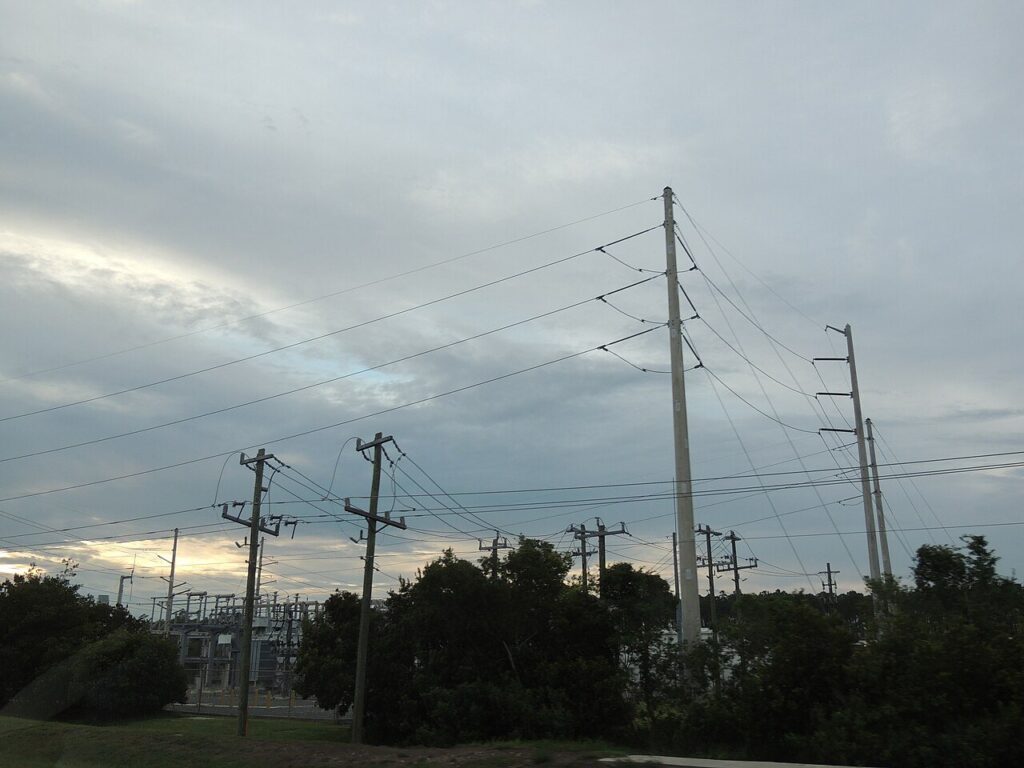
It is possible to ask whether a particular property was included without guessing from its mailing address. Begin with the address at the time of the transaction and the applicable service territory records, or look for the customer’s own old and new bills with personal details protected. A photograph of a municipal landmark, an electric pole or a postal label cannot resolve the historical provider by itself. The informative question is which entity served that meter under the arrangement then in effect.
Vero Beach’s electric sale is often remembered as a change of name on a bill. The underlying public record tells a larger local story about a utility whose customers crossed political boundaries, a state regulator responsible for particular decisions and a closing that occurred after those decisions were made. Put the right map next to the right document and the role of Indian River Shores and the county becomes easy to understand. Those residents were outside the city and very much inside the electric system.